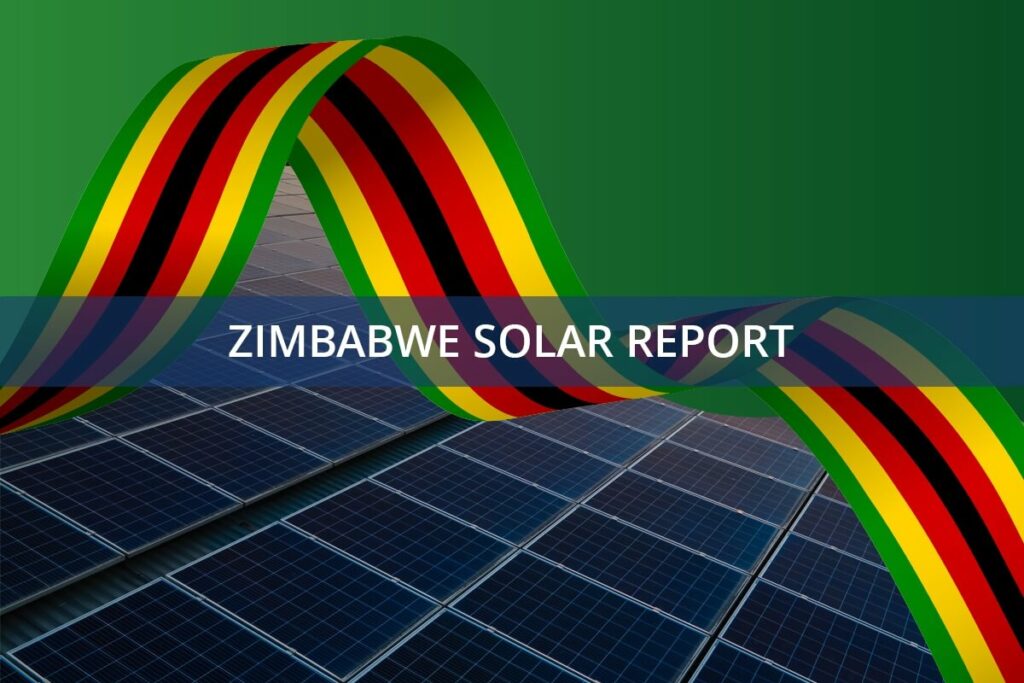
Zimbabwe Launches Initiative to Power Schools with Solar: Investing in Zimbabwe solar schools
Zimbabwe is taking a significant step towards bridging the digital divide with a new US$8.7 million program designed to bring solar power and high-speed internet to hundreds of schools in remote areas. This ambitious initiative aims to revolutionize educational resources, enhance access to information, and empower communities for a sustainable future.
Led by the People’s Own Savings Bank (POSB) in partnership with the government, the project moves beyond basic electrification. It’s a comprehensive plan for digital inclusion that will see over 400 schools equipped with reliable solar energy systems and Starlink internet connectivity. The program’s reach extends even further, targeting 2,700 households and 400 small and medium-sized enterprises (SMEs) by 2027.
Transforming Education Through Clean Energy in Zimbabwe solar schools
For many schools in Zimbabwe’s remote regions, a lack of reliable electricity is a major barrier to modern education. This initiative directly addresses that challenge. By harnessing solar power, the project will create dynamic digital learning environments, allowing students and teachers to engage with online resources, foster creativity, and participate in the global knowledge economy.
The program’s impact is amplified by its commitment to supporting educators. A portion of the funding will be allocated to teachers’ salaries, ensuring they are equipped and motivated to lead these new digital learning initiatives. This holistic approach ensures that the investment in technology is matched by an investment in the people who will use it to shape young minds.
A Key Part of Zimbabwe’s National Vision: Zimbabwe solar schools
This school solarization project is not an isolated effort. It aligns perfectly with Zimbabwe’s broader national strategy for sustainable development and energy independence. It’s a key component of the country’s vision to become an upper-middle-income economy by 2030 and demonstrates a firm commitment to the UN’s Sustainable Development Goals (SDGs).
The government has been actively promoting solar energy through various schemes. This new initiative complements existing efforts like the Presidential Solarisation Programme, which aims to equip rural households with solar systems. It builds on the momentum of previous government-led efforts, including another solar programme for 200 schools designed to boost ICT access.
These targeted programs are part of a larger trend reflecting significant Zimbabwe solar energy growth, which includes major infrastructure projects like the 100 MW Melfort Solar Power Plant. Together, these projects are paving the way for a brighter, cleaner, and more connected future for all Zimbabweans.
The Technology Powering Progress in Zimbabwe solar schools
The success of projects like this hinges on the reliability and efficiency of photovoltaic technology. The deployment of hundreds of solar systems requires a deep understanding of the entire value chain, from the solar panel raw materials to the intricate solar panel manufacturing process. Each panel represents a sophisticated assembly of components, brought together by specialized solar panel manufacturing machines to convert sunlight into usable power for classrooms and communities.
By providing access to both reliable energy and high-speed internet, this US$8.7 million initiative is set to empower a new generation of learners and entrepreneurs across Zimbabwe, fostering sustainable growth and creating a more inclusive future.
If you are inspired by Zimbabwe’s commitment to solar energy and want to deepen your own knowledge of photovoltaic technology, consider exploring our Free E-Course to learn more about the power of the sun.