
While PV module production is largely an assembly process, it doesn’t end there.
Before a solar module can be packed and shipped, it must meet strict performance and quality standards. Specialized testing equipment, such as sun simulators and high-potential testers, handles this crucial verification step.
In previous articles of our series on solar manufacturing machines, we looked at the assembly process. Today, we’ll explore how to ensure your solar modules function properly and meet the highest quality standards—two essential factors for building a strong reputation and growing your manufacturing business.
So what are sun simulators and high-potential testers, and are they truly necessary for your operation?
Sun Simulators
These specialized solar panel machines are used to test photovoltaic modules, helping manufacturers produce high-quality products that meet industry standards and customer requirements.
A sun simulator tests the performance and reliability of a solar panel by replicating the full spectrum of sunlight. It can simulate exposure under various conditions, including different temperatures and light levels.
These simulators can recreate solar irradiance under the standard test conditions (STC) for solar panels: a module temperature of 25°C, an irradiation level of 1200 W/m², and a spectrum equivalent to AM1.5.
Different Types Of Sun Simulators
The most common type is the xenon arc lamp, which emits a broad spectrum of light similar to the sun. Another is the solar array simulator, used to test module performance under various conditions by simulating a photovoltaic array. A third type is the LED solar flasher, which simulates different levels of light intensity.
The right sun simulator depends on the specific PV module and testing requirements. For example, solar array simulators are ideal for testing module performance under various conditions, while LED lamps are used to test performance at different levels of light intensity.
This machinery enables quick and accurate defect detection, ensuring that any issues are identified and resolved promptly.
Why Should I Get My Solar Test Machines Calibrated?
Calibration involves a series of tests to confirm that the sun simulator is accurately replicating the full spectrum of sunlight. This process verifies both the accuracy of the simulation and the intensity of the emitted light, ensuring correct performance measurements for PV modules.
High-Potential Test Machines
A high-potential (Hi-Pot) test machine is used in solar panel manufacturing to perform electrical isolation tests on solar panels. These machines conduct various assessments on the cells, including tests for dielectric resistance, continuity and efficiency, and insulation resistance.
1. Dielectric resistance measures how well a material can resist the flow of electricity. This test ensures solar panels are properly insulated and can withstand the electric field they will be exposed to during operation.
2. Continuity and efficiency testing verifies that a circuit is complete, with no breaks that could affect the panel’s performance. For solar panels, this ensures all internal electrical connections are properly made.
3. Insulation resistance measures a material’s ability to resist electric current. This test confirms that a solar panel’s insulation is intact, which is critical for preventing electrical breakdowns and ensuring safe operation.
Together, these Hi-Pot tests help you produce a more efficient and safer solar module.
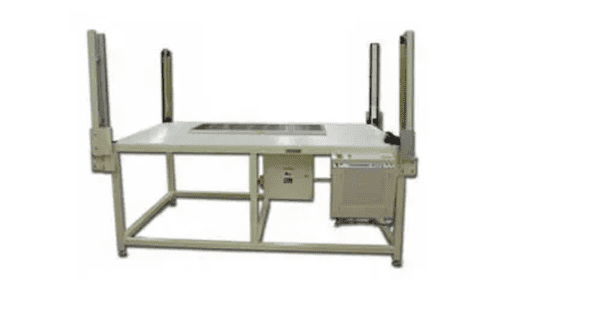
Types Of High-Potential PV Module Test Machines
Several types of high-potential PV module test machines are available. The most common types are:
1. The open-air test machine allows for performance testing without a controlled environment.
2. A closed-loop test machine is designed for testing solar modules in an enclosed environment.
3. An automated test machine streamlines the process by testing solar modules automatically.
4. The high-voltage test machine is used specifically for testing the potential voltage of a solar module.
High-Potential Test Machine Features
High-potential test machines come with a variety of features. Some of the most common include automatic calibration, adjustable voltage and current settings, remote control, and data logging.
Automatic calibration ensures the test machine is always set up correctly and that the results are accurate. Adjustable voltage and current settings allow you to adjust the test conditions for different types of photovoltaic modules.
Remote control enables you to operate the test machine from a distance, while data logging allows you to keep track of the test results.
Choosing The Right High-Potential Photovoltaic Test Machine
Several factors should be considered when selecting a test machine. These include the machine type, the size of the solar modules, the frequency of testing, and your budget.
Before selecting a machine, evaluate your specific testing needs to ensure it meets your requirements. Comparing different models will also help you find the most suitable option for your operation.
Conclusion
Test machines are an invaluable tool for any solar manufacturer committed to producing high-quality solar modules.
Testing and optimization are critical parts of the solar panel manufacturing process. To be sold in certain markets, panels must pass standardized tests, and producing high-quality products is simply good business practice.
Selling defective or poorly performing solar modules can damage a manufacturer’s reputation, hindering growth and likely leading to failure within a few years.