
The projected volume of end-of-life solar panels poses a significant operational challenge for governments and waste management industries globally.
While many discussions focus on the high cost of recycling—often cited at $20 to $30 per panel versus just $1 to $5 for landfilling—this disparity is largely a symptom of an underdeveloped collection and logistics infrastructure. For the forward-thinking operator, this gap represents a substantial business opportunity.
Navigating this emerging market successfully requires moving beyond problem identification to practical, solution-oriented planning. This guide provides a strategic framework for adapting existing waste collection routes, transfer stations, and Material Recovery Facilities (MRFs) to efficiently manage the unique demands of solar panel waste streams. It is intended for public and private sector leaders evaluating the business case for entering or scaling operations in the PV reverse logistics value chain.
The Unique Logistical Hurdles of Solar Panels
Before adapting infrastructure, it’s crucial to understand why solar panels cannot be treated like conventional construction and demolition (C&D) or municipal solid waste (MSW). Their unique characteristics demand a specialized approach.
Weight, Size, and Fragility
A standard solar panel weighs approximately 18-20 kg and has a large surface area, a combination that makes manual handling difficult and inefficient. The primary component is tempered glass—around 75% of the panel’s weight—which is prone to shattering if dropped or improperly stacked. Broken panels not only complicate the recovery of valuable materials but can also release trace hazardous substances, creating compliance and safety issues.

Low Load Density
Unlike compacted MSW, solar panels are rigid and cannot be compressed. A standard collection vehicle filled with intact solar panels is mostly carrying empty space, which makes transport highly inefficient on a cost-per-ton basis. This low load density is a primary driver of the high transportation costs that currently undermine the economics of PV recycling.
Specialized Handling Requirements
To prevent breakage, panels require careful stacking on specialized pallets or in crates during transit. Standard equipment like the grapple loaders used in C&D waste is unsuitable. Facilities must use forklifts, often with specialized attachments, to move panels safely and efficiently.
The “Adapt or Build” Framework: A Decision Guide for Waste Operators
Operators face a fundamental choice: retrofit existing facilities or build new, dedicated aggregation hubs for solar panel waste. The optimal path depends on projected local waste volumes, existing infrastructure capabilities, and regional regulatory pressures.
Adapting Existing Infrastructure
This approach leverages current assets like vehicle fleets, transfer stations, and MRFs. It is often the most capital-efficient path for entering the market, particularly in regions where waste volumes are still emerging. Primary costs involve process modification, staff training, and specialized handling equipment.
Building Specialized Hubs
In regions with high concentrations of solar installations and mature regulations, developing dedicated collection and dismantling hubs can be more efficient at scale. These facilities are designed from the ground up specifically for panel handling, allowing for optimized workflows, automated dismantling, and higher throughput.
A cost-benefit analysis should model the total cost of ownership for each scenario, factoring in capital expenditure (CAPEX), operational expenditure (OPEX), transportation distances, and potential revenue from recovered materials. As pvknowhow.com documents, understanding the economics and material recovery values is a prerequisite for making this strategic decision.
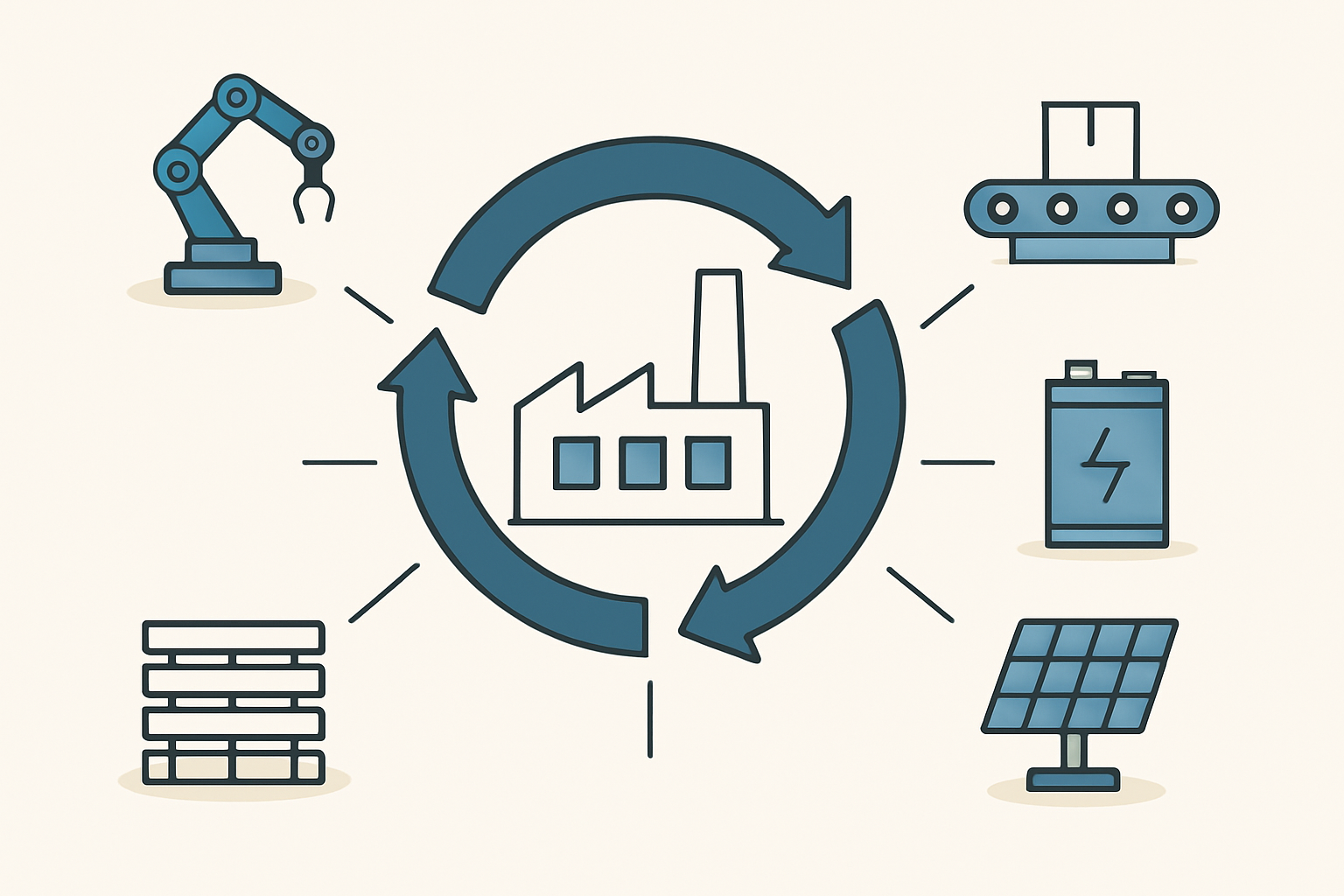
Blueprint for Adaptation – Section 1: Optimizing Collection Routes
Efficient transportation is the cornerstone of a viable PV recycling operation. The goal is to maximize the number of panels collected per kilometer traveled while ensuring their integrity.
Collection Models
-
On-Demand Collection: Best suited for decommissioning large-scale solar farms. Logistics are planned around a single, high-volume project, allowing for optimized vehicle deployment and scheduling.
-
Scheduled “Milk Run” Collection: More effective for smaller, distributed sources like residential or commercial rooftops. A collection vehicle follows a predetermined route to pick up panels from multiple pre-registered sites or local consolidation points. This model requires a robust booking and tracking system.
Route Optimization and Vehicle Selection
Advanced route-planning software can significantly reduce fuel costs and transit times. The model should also account for load consolidation points, where panels from smaller vehicles can be transferred to larger trucks for long-haul transport.
Vehicles must be equipped for safe panel transport. Flatbed trucks or enclosed box trucks are preferable to standard garbage trucks. All panels must be secured on pallets or in custom-built crates designed to prevent movement and absorb shocks during transit.
Blueprint for Adaptation – Section 2: Retrofitting Transfer Stations and MRFs
Existing facilities can be modified to serve as effective interim storage and pre-processing centers for solar panels.
Safe Storage Protocols
A designated, covered area should be allocated exclusively for solar panels. Panels should be stored vertically or stacked horizontally on pallets, but only to a height that avoids excessive pressure on the bottom units. The storage area must be clearly marked and segregated from other waste streams to prevent cross-contamination and accidental damage from heavy machinery.
Designated Zones for Pre-Processing
A key value-add at the local level is pre-processing: manually removing the aluminum frame and junction box before shipping the remaining panel laminate for advanced recycling. A retrofitted MRF will need a dedicated workstation for this task. This simple step can reduce weight and volume by up to 25%, significantly lowering downstream transportation costs and increasing the overall value recovered from the solar panel’s material composition.
Required Handling Equipment
-
Forklifts: Essential for moving palletized panels.
-
Specialized Attachments: Padded clamps or vacuum lifters can help handle individual panels or small stacks without causing damage.
-
Manual Dismantling Tools: Basic hand and power tools are needed for removing frames and junction boxes.
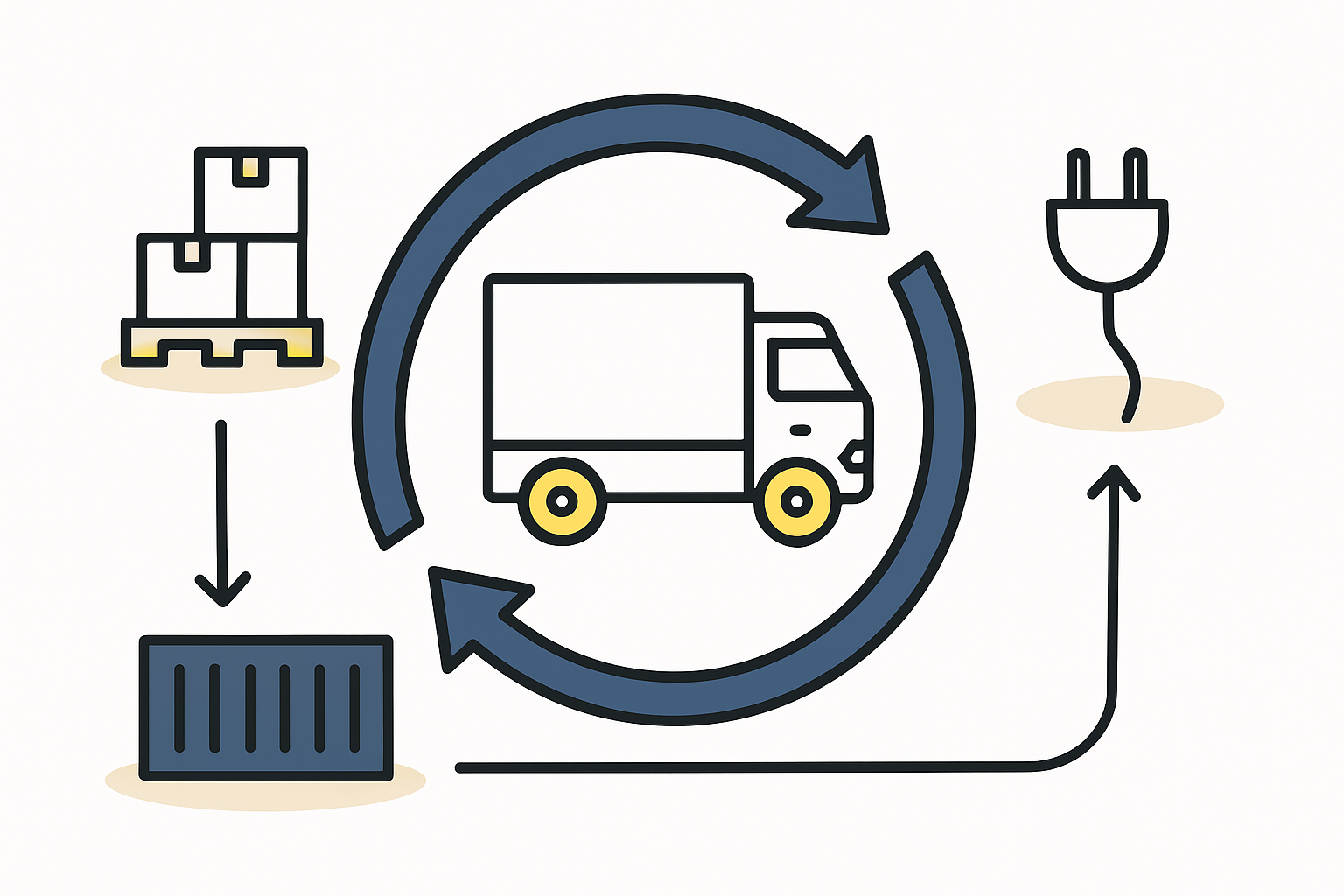
Case Studies: Real-World Models of Efficient PV Logistics
Effective PV waste logistics are not merely theoretical; proven models already exist in mature markets, particularly in Europe. The EU’s Waste Electrical and Electronic Equipment (WEEE) Directive, for example, mandates producer responsibility, which has catalyzed the creation of sophisticated, nationwide collection networks like PV CYCLE. These systems use a network of thousands of local collection points where panels are consolidated and transported to specialized recycling facilities.
In North America and other emerging markets, voluntary, industry-led initiatives are pioneering similar models. Partnerships between large-scale solar asset owners, waste haulers, and recyclers are forming regional ecosystems that prove the commercial viability of efficient reverse logistics.
Frequently Asked Questions (FAQ)
Is the investment in retrofitting our MRF for PV panels justified by current waste volumes?
That decision depends on a long-term strategic view. While current volumes may be low in many regions, they are projected to grow exponentially. Early movers who adapt their infrastructure now can establish a competitive advantage and capture market share as both regulatory pressures and waste streams increase. A detailed analysis of your region’s solar panel waste volume projections is the critical first step.
What are the primary safety risks when handling end-of-life solar panels?
The main risks include manual handling injuries from the panels’ weight and size, cuts from broken glass, and potential exposure to hazardous dust if panels are shattered. Proper training, the use of personal protective equipment (PPE) like gloves and safety glasses, and adherence to safe stacking protocols are all essential for mitigating these risks.
How can our waste management company start building partnerships with solar installers in our region?
Begin by positioning your company as a solution provider. Reach out to local and regional solar installation companies, asset managers, and engineering, procurement, and construction (EPC) firms. Offer them a compliant, cost-effective, and environmentally responsible option for their end-of-life panels. Proposing a pilot program or a transparent, volume-based pricing structure can be an effective way to initiate a partnership.
What is the first step in adapting our existing logistics network?
The first step is a thorough audit of your current capabilities. You’ll need to assess your vehicle fleet, the physical layout and available space at your transfer stations or MRFs, and the existing skills of your workforce. This audit will identify the specific gaps that must be addressed and will form the basis of your adaptation plan and budget.