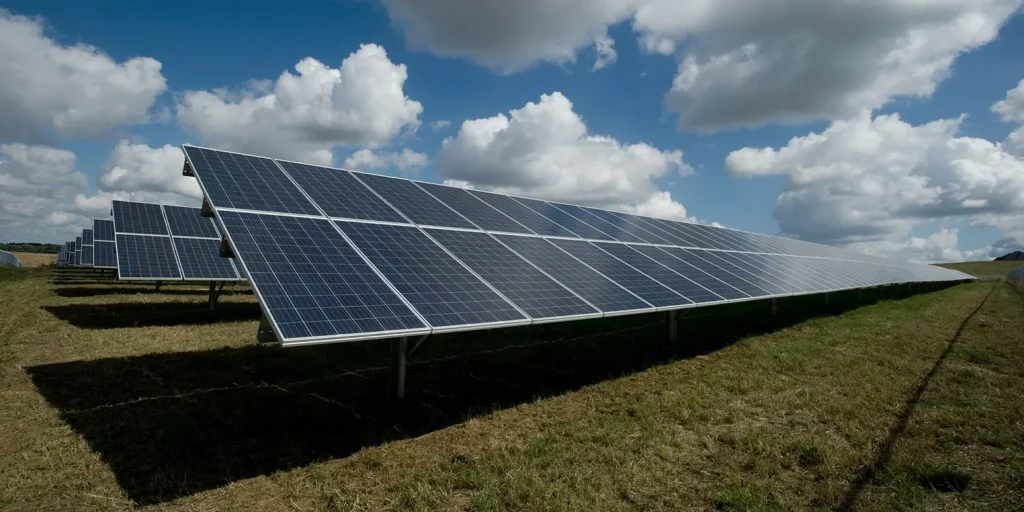
The Kyrgyz Republic is making significant strides in solar energy development. A recent memorandum of understanding between the Ministry of Energy, the Ministry of Economy and Commerce, and the International Finance Corporation (IFC) marks a key step forward in the second phase of a major solar power project. The agreement, reached after the International Investment Energy Forum in Vienna, signals a strong commitment to expanding the country’s renewable energy sector.
Expanding Solar Energy Capacity in Batken and Talas Regions
In the project’s initial phase, the IFC was instrumental in assessing and structuring a pilot solar energy project of 100 to 150 MW in the Kochkor district of the Naryn region. This groundwork has set the stage for attracting more private sector investment into Kyrgyzstan’s solar energy sector.
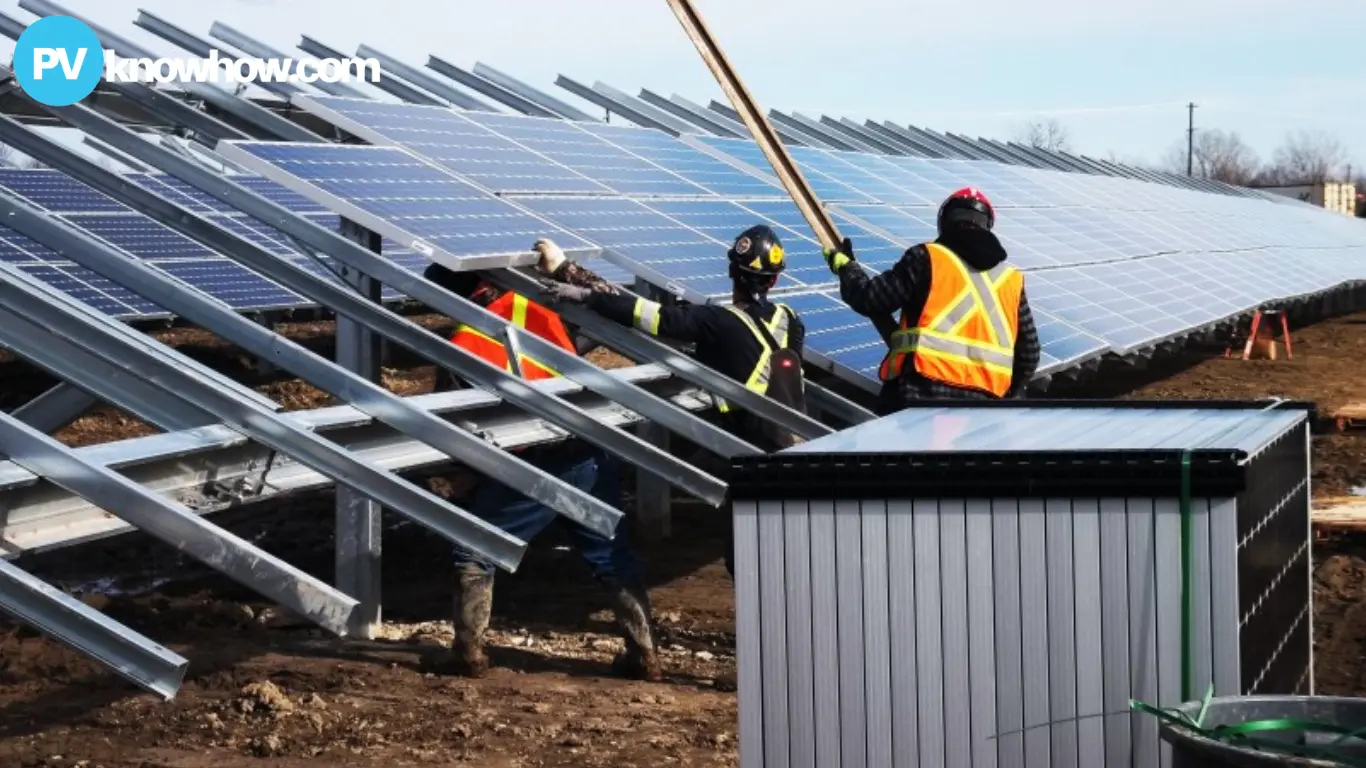
Image: Collected
The second phase involves constructing two solar power plants, each with a capacity of 100-150 MW, in the Batken and Talas regions. A comprehensive plan is also in its final stages for a solar power plant complex with a potential capacity of up to 500 MW.
Upon completion, the project is expected to supply electricity to a significantly larger number of consumers. The cost of electricity is also projected to decrease, and a greater proportion of the country’s energy consumption will come from clean, renewable solar power, contributing to a more sustainable future.
New Solar Energy Powers 125,000 Households
One solar plant, strategically located in an area with high solar irradiance, is poised to generate substantial amounts of clean, renewable energy. Construction is scheduled to begin in early 2025, with the plant expected to be fully operational by the end of 2026. This project has the potential to significantly boost the country’s energy supply and reduce its reliance on fossil fuels.
The plant will have a design capacity of about 150 MW—enough to power approximately 75,000 households. This output will significantly reduce the region’s reliance on imported energy and lower electricity costs.
The Talas solar power plant will be built in an area with abundant sunlight and flat terrain, making it ideal for large-scale photovoltaic installations. Construction is set to commence in mid-2025, with the plant expected to become operational by late 2026.
The Talas power plant will provide power to over 50,000 homes and create tens of thousands of jobs during construction and operation. It will also help reduce the region’s carbon footprint by displacing fossil fuel-based energy production.
Attracting Global Investment in Solar Energy
The IFC is leading the search for private investors through an open international tender. Four major international companies submitted bids by the end of March, and the screening process to identify qualified candidates is now underway. A second phase of the tender is expected to begin soon.
This solar project aligns with Kyrgyzstan’s Energy Sector Development Strategy, which sets a goal of developing 1,500 MW of renewable energy by 2035. By meeting this target, the country expects to cover 46% of its projected energy demand while reducing reliance on fossil fuel imports. Supported by the World Bank, the strategy is designed to diversify the energy sector, increase domestic electricity generation, and reduce greenhouse gas emissions.
Fueled by affordable solar panels and a growing urgency to cut emissions, the world’s solar energy capacity expanded by 22% last year, according to the International Renewable Energy Agency (IRENA). This global trend is reflected in Kyrgyzstan, where authorities have set national targets to reduce greenhouse gas emissions by 30% by the end of the decade, aligning with international efforts to combat climate change.