Uganda is grappling with a severe energy crisis, characterized by escalating electricity tariffs, financial mismanagement, and a growing disconnect between power production and consumption. To ensure the sector’s long-term sustainability, the government must urgently address these issues by enforcing regulatory oversight, promoting transparency, and encouraging private investment.
Rising Tariffs and the Uganda Energy Crisis
Skyrocketing electricity tariffs are a central feature of the issues with energy in Uganda. The government has been subsidizing rates for large industrial consumers, ostensibly to boost industrialization and job creation. However, these subsidies have proven unsustainable, costing the government over Shs 800 billion annually.
Despite these subsidies, the financial health of the energy sector continues to deteriorate, leading to repeated tariff increases for other consumers. Residential customers, for instance, have seen a 5% increase in their tariffs, while large industrial consumers have experienced a 7% hike.
The government’s decision to subsidize electricity tariffs has placed a financial strain on the Uganda Electricity Distribution Company Limited (UEDCL) and other energy sector companies. These businesses are now forced to borrow at high interest rates to meet their obligations, further exacerbating the financial crisis.
Mismanagement and Market Dynamics
Mismanagement within the energy sector is clear from its continued reliance on thermal power plants like Jacobsen and ElectroMaxx, which are less efficient and more expensive than hydroelectric sources. Despite Uganda’s abundant hydroelectric potential, the government has failed to prioritize investment in more sustainable and cost-effective energy sources.
Moreover, the high cost of electricity has made Ugandan products uncompetitive in regional markets, undermining the very industrialization goals the subsidies were meant to achieve.
The government’s focus on large-scale industrial consumers has also led to the neglect of smaller consumers and residential users, who now bear the brunt of the tariff increases. This imbalance means the cost of electricity is rising faster than consumption, which affects production and ultimately reduces demand.
The Burden of Power Purchase Agreements
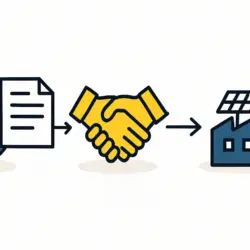
Power Purchase Agreements (PPAs) have become a major financial burden, as they guarantee payment to producers even for unconsumed electricity. This arrangement obligates the government to pay for unused power, further straining its already stretched resources.
Initially designed to attract private investment, these PPAs have become a liability because the government failed to align production with consumption. This supply-demand mismatch forces the government to honor the agreements and pay for unused power, resulting in significant financial losses.
Urgent Reforms for the Energy Sector
Uganda’s energy crisis requires urgent reforms to address the underlying structural issues. The government must prioritize transparency and accountability in the management of the energy sector, ensuring that funds allocated for electricity subsidies are used effectively and efficiently.
A comprehensive review of the PPAs is also necessary to align them with the country’s current energy needs and financial capabilities. Additionally, the government must focus on expanding access to affordable electricity for all consumers, not just large industrial users.
To achieve a sustainable energy sector, Uganda needs to invest in renewable energy sources and promote energy efficiency across all sectors. The government should also encourage private sector participation in the energy market by creating a conducive environment for investment and innovation. For instance, the recent subsidy program for renewable energy products is a step in the right direction.
Overcoming the Uganda Energy Crisis
The current status of power and energy in Uganda presents a complex problem requiring a multifaceted solution. The government must take decisive action to address the financial mismanagement, policy inconsistencies, and market dynamics that have led to the current situation.
By implementing the necessary reforms and promoting sustainable energy practices, Uganda can overcome its energy crisis and build a more resilient and competitive economy. Exploring alternative renewable energy sources, such as solar, can also provide a sustainable solution, as seen in successful projects like the Ugandan Hospital Solar Initiative.