President Emmerson Mnangagwa has launched the Presidential Solar Scheme to address climate change, support sustainable agriculture, and provide affordable electricity. In its pilot phase, the project has already connected 80 of 400 targeted households, with energy from solar panels feeding into the national grid and supporting agricultural development.
Presidential Solar Scheme: A Bright Future for Agriculture and Energy
In a move poised to transform Zimbabwe’s energy landscape and agricultural practices, President Emmerson Mnangagwa recently launched the Presidential Solar Energy Scheme. This ambitious project aims to tackle climate change, foster sustainable agriculture, and provide affordable electricity to local households. The scheme is initially rolling out in Glen View, Harare, where 80 of the 400 households in the pilot project have already been connected. The initiative involves installing solar panels on residential rooftops, with the generated energy feeding into the national grid. This solar power will also be used to support irrigation and agricultural development throughout the country.
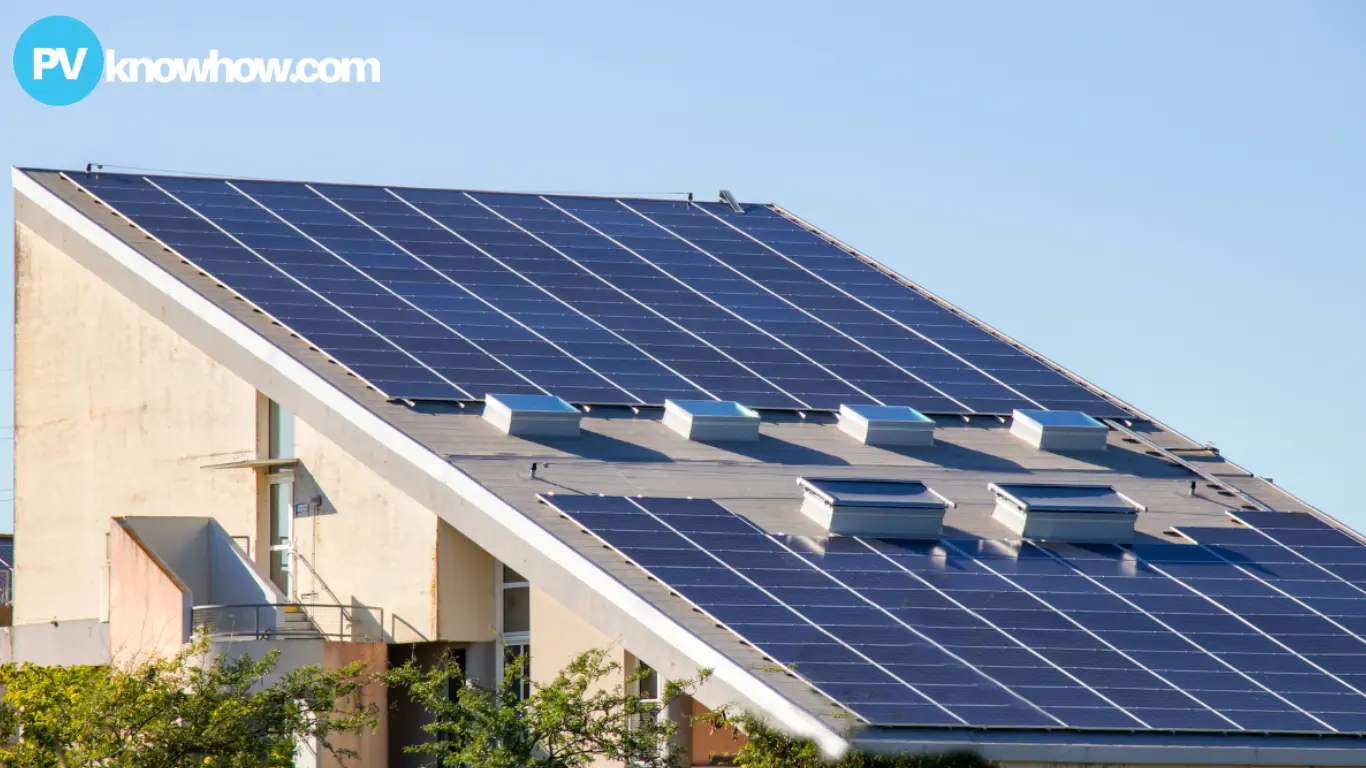
Zimbabwe’s Presidential Solar Energy Scheme: Rooftop solar panels in Glen View provide affordable electricity and support agriculture.
The Zimbabwe Solar Energy Company (ZISEC)—a subsidiary of the Prevail Group International (PGI) that also leads the successful Presidential Borehole Scheme—is implementing the project. Under this initiative, the national electricity provider ZESA has agreed to suspend load-shedding in participating areas. Homeowners contributing to the scheme will also receive a token of appreciation.
Addressing the Challenges of Climate Change
Solar energy, a key component of the scheme, offers numerous benefits as a renewable resource. It helps reduce greenhouse gas emissions and reliance on fossil fuels—a crucial shift in mitigating the adverse effects of climate change. President Mnangagwa has emphasised that adopting solar power aligns with the Southern African Development Community (SADC) protocols on climate change and sustainable agriculture.
To support this transition, the President has also introduced the National Renewable Energy Policy and the Biofuels Policy. These frameworks are designed to enhance energy security, promote socio-economic development, and increase the use of sustainable energy sources. Addressing investors and energy sector players, President Mnangagwa highlighted that renewable energy is essential for reducing emissions from the energy sector, a major contributor to global emissions.
“Our commitment is to reduce greenhouse gas emissions by 33 percent per capita by 2030,” President Mnangagwa stated. “We hope these developments will attract more investment and opportunities in the energy sector.”
The National Renewable Energy Policy specifically supports a greater share of renewables in the national energy mix, aligning with Sustainable Development Goals (SDGs) and national development strategies and driving the cost-effective use of clean energy.
Increasing Investments in the Renewable Energy Sector
President Mnangagwa has urged local authorities to use the new policy to provide land and facilities for renewable energy projects. He envisions increased investments in the renewable energy sector as a step towards achieving an Upper Middle-Income Economy by 2030.
Dr. Paul Tungwarara, chairperson of PGI, explained in an interview with Zimpapers Politics Hub that the scheme offers multiple benefits. Beyond addressing power challenges, it will provide an income stream for residents, as ZISEC will rent rooftop space from homeowners to install the solar systems. The electricity generated is then fed into the grid, benefiting the entire community.
He also noted that the scheme could serve as a model for other Southern African countries facing similar energy challenges. By generating electricity locally, it reduces transmission losses and increases efficiency.
Dr. Tungwarara also highlighted the scheme’s integration with other national projects. It will work alongside the Presidential Borehole Scheme to support sustainable agriculture and will be complemented by a new Presidential Internet Scheme. This third initiative will provide internet access for monitoring electricity generation and offer connectivity to local schools.
The Presidential Solar Energy Scheme represents a significant step toward a more sustainable and resilient future for Zimbabwe. By harnessing solar power and implementing comprehensive green solutions, the nation aims to address climate change and promote sustainable agriculture in line with SADC protocols and its global climate commitments.