Solar Energy System Transforms Refugee Settlement
Global logistics company Gebrüder Weiss recently announced that it had transported a high-performance solar energy system from Vorarlberg to the Palorinya refugee settlement in northern Uganda. The system is crucial for reducing fuel costs and environmental impact in the camp, which shelters over 125,000 people who have fled civil unrest in neighboring Sudan.
Shipped free of charge by Gebrüder Weiss, the system can generate up to 200 kilowatts of off-grid electrical power. The initiative, dubbed “Solar Power for Palorinya,” represents a significant step in providing the settlement with reliable energy.
The system’s journey began in Wolfurt, Austria, where it was loaded into a 40-foot container and transported by rail to Rotterdam. From there, it traveled by sea to Mombasa, Kenya, and then by truck to Uganda, completing a complex logistical journey.
The “Solar Power for Palorinya” initiative will replace the diesel generators that currently power the settlement’s workshops, which are essential for refugee training. These workshops provide young refugees with valuable vocational skills in carpentry, metalwork, and baking, helping them build independent lives.
Collaborative Effort to Deliver Solar Power
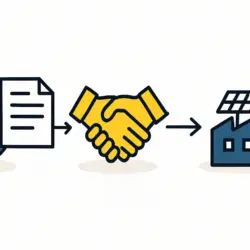
The solar energy system was made possible by companies in Vorarlberg and Liechtenstein that generously donated all the necessary components for the photovoltaic (PV) system. Their support, combined with the logistical expertise of Gebrüder Weiss, ensured the system’s safe and efficient delivery to Palorinya.
Andreas Bilgeri, Manager of Gebrüder Weiss Air & Sea Wolfurt, highlighted the project’s importance. “This is an exemplary initiative by companies in the region that helps to give the local population a perspective for the future – and it also makes ecological sense,” said Bilgeri. “Solar energy instead of fossil fuels: a sustainable aid project that we are happy to support.”
The solar system provides immediate relief to the refugee settlement while laying the groundwork for a long-term, sustainable energy solution. This shift to solar power reduces the camp’s environmental footprint and promotes the cleaner energy practices essential for a greener future.
Practical Implications of Solar Power for Palorinya
For the residents of Palorinya, the solar energy system is a major improvement to daily life. After struggling with unreliable and costly energy, refugees will now have consistent electricity to power the workshops essential for their training.
The switch to solar provides a more reliable source of power for the entire settlement. Access to clean energy is a critical issue for refugee camps worldwide, and this sustainable alternative offers a solution that is both environmentally friendly and economically viable in the long term.
Matthias Burtscher, the aid campaign coordinator, commented on the partnership. “I am pleased to partner with Gebrüder Weiss, a globally experienced logistics company based in Vorarlberg. Their expertise streamlines our coordination processes and ensures the solar system will arrive safely and on schedule,” said Burtscher.
The “Solar Power for Palorinya” initiative is a significant step toward providing sustainable energy to refugee settlements. By replacing outdated diesel generators, the project delivers a cleaner, more cost-effective energy solution for the Palorinya refugee settlement in northern Uganda.