The whole world is buzzing about renewable energy, and solar power is front and center. With demand for crucial photovoltaic (PV) modules going through the roof, figuring out the smartest place to make them is a bigger deal than ever.
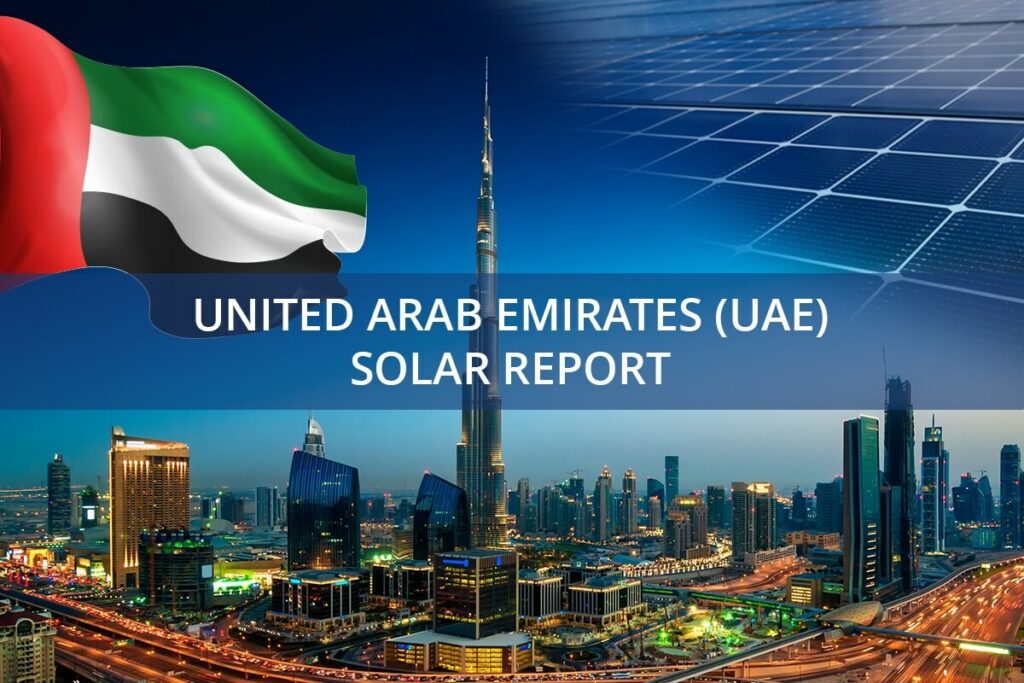
But have you considered the United Arab Emirates (UAE)? It’s quickly becoming a key hotspot for solar manufacturing, thanks to strong government support, top-drawer infrastructure, and some attractive business perks. If you’re an entrepreneur with a vision, or an established company looking to jump into solar module production (or expand your current operations), the UAE’s free zones offer possibilities you won’t want to overlook.
So, what’s the big deal about setting up a solar module factory in a UAE free zone? Let’s unpack why it’s such a savvy move. We’ll cover complete foreign ownership (yes, really!), significant tax breaks that can make a huge difference to your bottom line, and valuable insights into the investment scene.
Our goal is to help you see clearly why the UAE might just be the perfect launchpad for your solar manufacturing ambitions. This guide is a key part of our broader exploration of Solar Manufacturing Opportunities in the UAE, packed with the solid information you need to make confident, well-informed business decisions.
Table of Contents
Why the UAE for Solar Module Manufacturing? A Regional Powerhouse
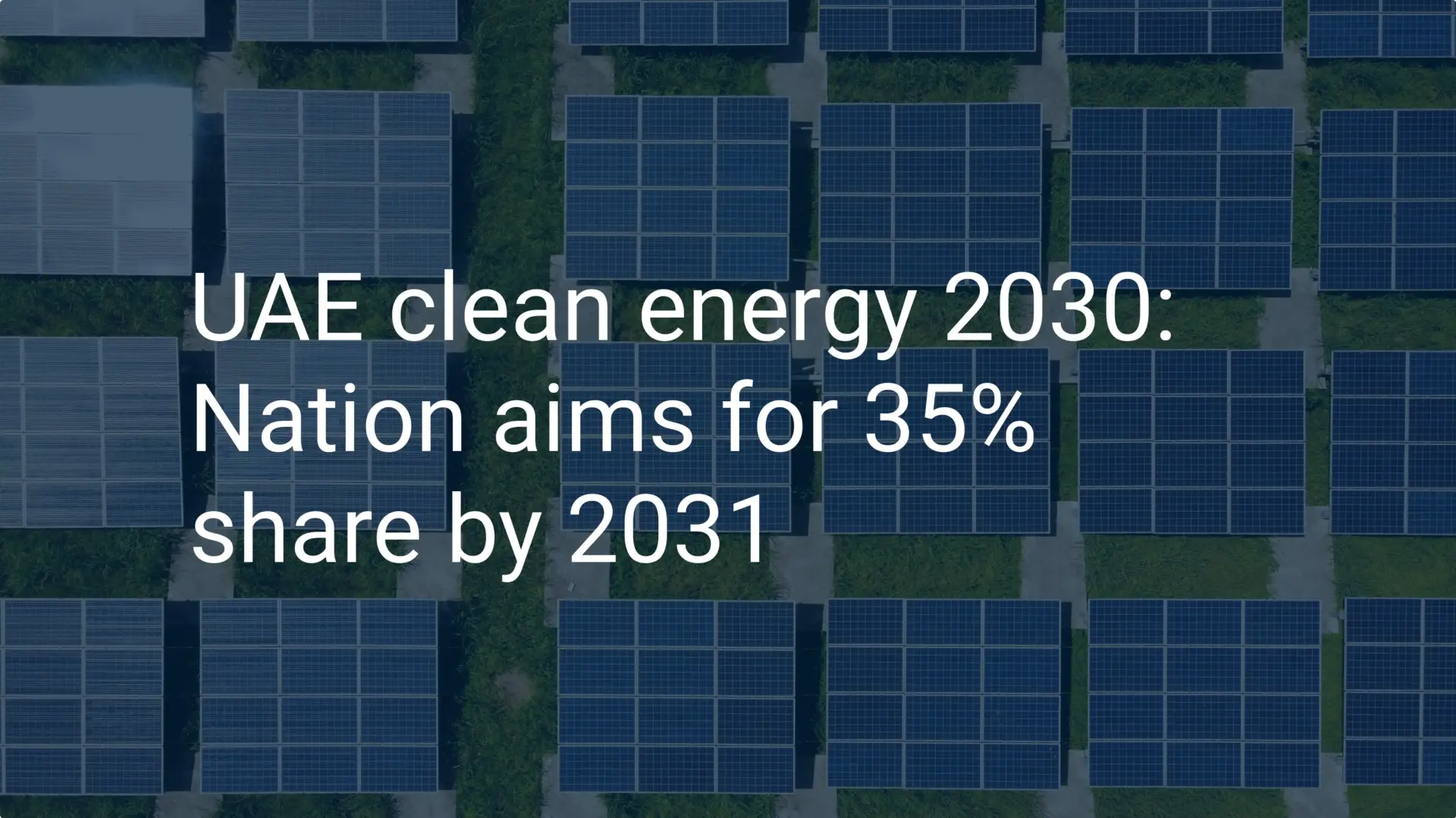
The UAE’s dedication to diversifying its economy and championing sustainable energy is impossible to miss. This is not just talk; it’s a clear, unwavering commitment. Ambitious goals, like the “UAE Net Zero by 2050” initiative, shine a spotlight on the nation’s drive for a greener future, creating a supportive atmosphere for businesses in the renewable energy space. This national commitment translates directly into tangible support for the solar sector.
So, what exactly makes the UAE such an attractive spot for solar manufacturing?
- Skyrocketing Regional Energy Demand: The need for clean energy is booming, not just in the UAE, but across the entire Middle East and North Africa (MENA) region. This puts locally manufactured solar modules in a fantastic position for widespread adoption.
- Prime Geographic Sweet Spot: The UAE is perfectly positioned at the crossroads of Europe, Asia, and Africa, offering incredible logistical access to major global markets. Its world-class ports and air freight capabilities mean efficient supply chains for bringing in raw materials and seamless distribution of finished modules.
- The “Tariff Haven” Advantage: This one is a big deal. Manufacturing in the UAE can give you a real competitive edge when exporting, especially to large markets like the United States. As the team at solarbuildermag.com has pointed out, the MENA region enjoys a comparatively low 10% basic tariff on modules imported into the US. This makes UAE-based production particularly attractive.
Understanding UAE Free Zones: The Basics for Manufacturers

So, what exactly are free zones? Essentially, they are special economic areas that offer a distinct set of incentives and operate under a regulatory framework separate from the UAE mainland. They’re specifically designed to roll out the red carpet for foreign investment and stimulate economic activity by providing an incredibly business-friendly environment.
Here are the core features of UAE free zones you should know:
- Independent Regulations: Each free zone typically has its own authority, allowing them to offer specialized licenses and support tailored to specific industries—a major plus for businesses.
- Built for International Business: These zones are engineered to simplify international trade, with streamlined customs procedures and logistical benefits practically baked in.
- Sector-Specific Hubs: Many free zones are themed, bringing together businesses from particular sectors (like technology, media, and, increasingly, renewable energy). This fosters vibrant, synergistic ecosystems where companies can collaborate and thrive.
For manufacturers, free zones deliver solid infrastructure, including industrial plots, warehousing facilities, and ready-to-use factories. Plus, you get the reliable utilities that are essential for keeping production lines humming.
Significant Advantages of UAE Free Zones for Solar Module Production
Choosing a UAE free zone for your solar module manufacturing isn’t just a good idea; it unlocks powerful benefits. These are especially well-suited to international businesses and capital-intensive industries, and PV production definitely fits that bill.
Ready to make big Profits?
The solar Industry is Booming
WE HELP NEWCOMERS to the solar industry start their own solar module production line. Customers can make BIG PROFITS by selling modules and finding investors, without wasting money and time on things they don't need!
- 100% Foreign Ownership: This is a game-changer. Unlike setting up on the UAE mainland, which often requires a local partner, free zones allow for complete foreign ownership. That means full control over your business strategy, operations, and profits—a vital piece of the puzzle for entrepreneurs and international corporations.
- Comprehensive Tax Exemptions: For many businesses, this is where ears really perk up.
- 0% Corporate Tax: Qualifying income from your free zone entity generally benefits from a 0% corporate tax rate, which can massively boost your profitability.
- 0% Personal Income Tax: It’s not just the business; owners and their employees also enjoy no personal income tax.
- Exemption from Import/Export Duties: This is crucial for solar manufacturers. You’ll be importing raw materials (like silicon wafers, solar glass, EVA encapsulant, backsheets, and aluminum frames) and exporting finished PV modules. This exemption slashes operational costs significantly.
- Full Repatriation of Profits and Capital: You can send 100% of your profits and capital back to your home country without any restrictions.
- World-Class Infrastructure & Logistics:
- Proximity to Global Hubs: Many free zones are strategically positioned near major seaports like Jebel Ali Port (one of the world’s busiest) and international airports. This is invaluable for efficiently importing components and exporting finished modules, a point well-made by fdiintelligence.com regarding JAFZA.
- State-of-the-Art Facilities: You’ll find exactly what you need: industrial land, customizable factory spaces, and advanced warehousing solutions, all designed with the needs of manufacturers in mind.
- Reliable Energy and Utilities: A consistent and competitively priced power supply is non-negotiable for energy-intensive assembly. The free zones deliver this reliably, simplifying energy sourcing in UAE‘s industrial hubs.
- Supportive Government Initiatives & Ecosystem:
- Alignment with National Strategy: Initiatives like “Operation 300bn,” which aims to grow the UAE’s industrial sector and boost its global competitiveness, create a favorable policy backdrop for manufacturers. It’s like having the wind at your back.
- Streamlined Regulatory Processes: Free zone authorities often act as a one-stop-shop for licensing, visas, and other administrative tasks. This massively simplifies the setup process—less red tape, more getting down to business.
- Focus on Sustainability: The government’s strong push for renewable energy translates into potential incentives and a welcoming ecosystem for solar businesses.
- Access to Skilled Labor and R&D Opportunities:
- Diverse Talent Pool: The UAE is a magnet for a global workforce, giving you access to skilled technicians, sharp engineers, and experienced management professionals from all over the world.
- R&D Collaboration: Some free zones, particularly those with a focus on technology and sustainability like Masdar City, actively encourage research and development. This creates exciting opportunities for innovation in solar technology.
Spotlight on Prominent UAE Free Zones for Solar Manufacturing

While there are quite a few free zones to choose from, some stand out as particularly well-suited for industrial and renewable energy ventures. Let’s take a quick look:
- Masdar City Free Zone (Abu Dhabi): This place is globally recognized as a hub for sustainability and clean technology, a prime example of the innovative city solar UAE champions. If your solar company is focused on R&D and high-tech manufacturing within a dedicated cleantech environment, Masdar City is worth a serious look.
- Khalifa Economic Zones Abu Dhabi (KEZAD): As one of the largest industrial zones in the Middle East, KEZAD offers vast stretches of industrial land, superb connectivity to Khalifa Port, and specific clusters for various manufacturing sectors. It’s actively attracting large-scale solar manufacturing investments, as reported by Middle East Briefing.
- Jebel Ali Free Zone (JAFZA, Dubai): JAFZA is a flagship free zone, famous for its unmatched logistics capabilities. Being right next to Jebel Ali Port and Al Maktoum International Airport helps. It’s home to a massive number of manufacturing companies and provides the robust infrastructure ideal for solar module production.
- Dubai Industrial City (DIC): Part of Dubai Wholesale City, DIC is a dedicated industrial hub designed to serve the manufacturing sector. It offers specialized zones, pre-built warehouses, and industrial land, making it a strong contender for a solar panel assembly plant.
When picking the right free zone for your business, it’s smart to consider factors like proximity to your suppliers and target markets. Also, evaluate the specific infrastructure offered for your production scale, the lease costs, and the overall focus of the free zone’s ecosystem. It’s all about finding the best fit.
The Path to Setting Up Your Solar Production Facility
Excited about the possibilities? Great! Establishing your solar manufacturing business in a UAE free zone involves several key stages. While the details can differ slightly between free zone authorities, here’s a general roadmap of the process:
- Business Plan & Activity Selection: First, you need a solid business plan detailing your manufacturing process, target market, financial forecasts, and resource requirements. Then, you’ll choose the appropriate business activity and license type—usually an industrial or manufacturing license.
- Free Zone and Company Name Selection: Time for research. Dig into the different free zones to find the best home for your specific needs. Once you have a shortlist, you’ll reserve and get your company name approved.
- Application & Documentation: Next, fill out the application form and gather all required documents. This usually includes passport copies of shareholders, your detailed business plan, and a No Objection Certificate if applicable.
- License Issuance: Once everything is approved, the relevant free zone authority will issue your trade license. This is a big step!
- Visa Processing: With your license in hand, you’ll apply for an establishment card, followed by visas for your shareholders and any employees you’re bringing on board.
- Bank Account Opening: An essential step is opening a corporate bank account in the UAE.
- Leasing Premises: Now it’s time to secure your physical premises—your industrial land or factory unit within your chosen free zone. This stage may involve getting approvals for your factory layout and ensuring you meet all environmental compliance standards.
- Equipment Import & Installation: The exciting part! Import your manufacturing machinery and get the production line set up and ready to roll.
Navigating Regulatory Requirements: It’s crucial to understand and navigate the local regulatory landscape. You’ll need to be aware of rules like the Economic Substance Regulations (ESR) and ensure full compliance. Depending on your operational scale, you may also need environmental permits and specific industrial approvals.
This can sound daunting, but it doesn’t have to be. Partnering with experienced business setup specialists, like us at PVknowhow.com, can make the entire process much smoother. We help ensure all legal and regulatory obligations are handled efficiently, so you can focus on your core business.
Investment Insights & Market Outlook for Solar Manufacturing in UAE
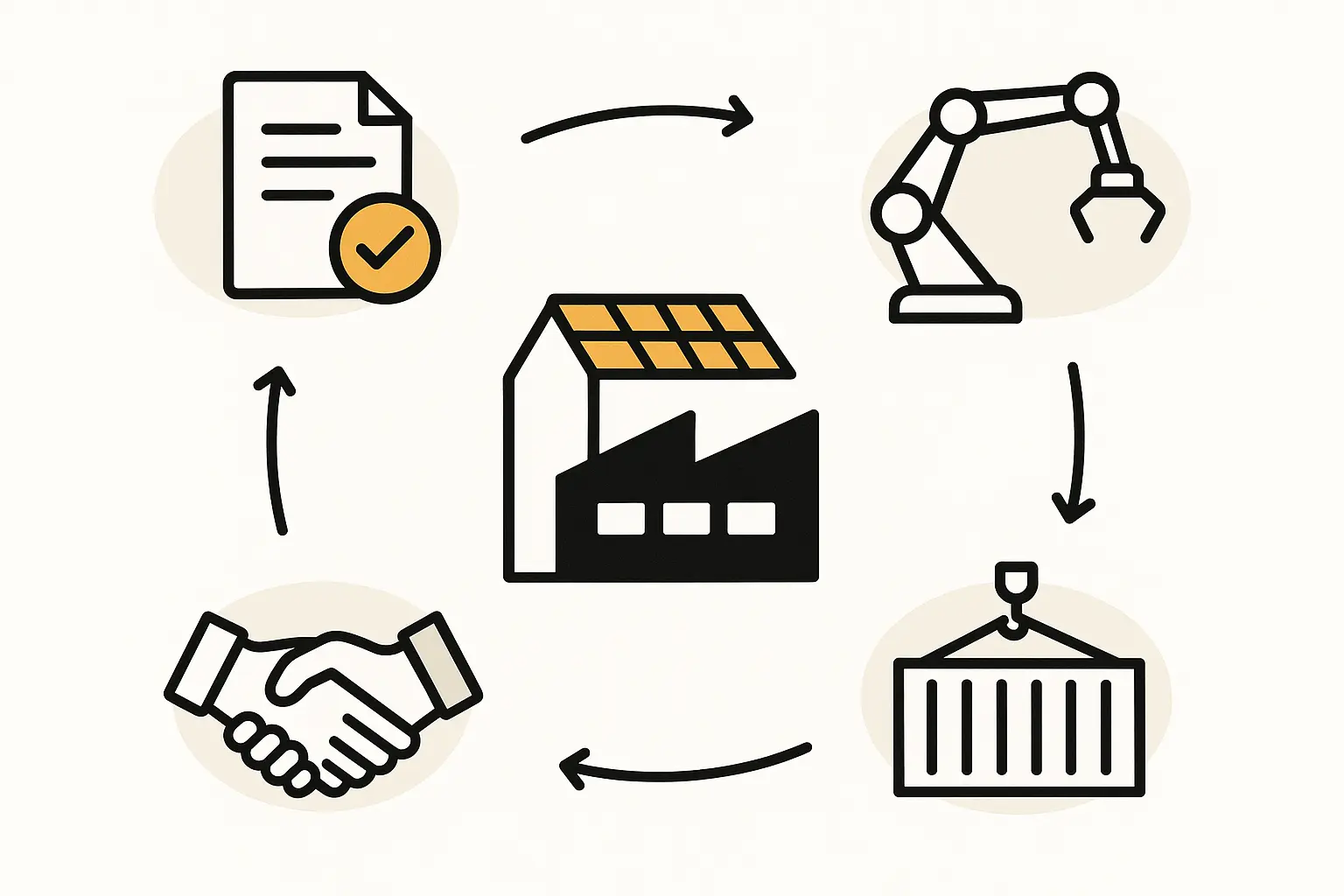
Let’s zoom out and look at the bigger picture. The UAE’s solar sector is experiencing remarkable growth, supercharged by national renewable energy targets and the ever-decreasing costs of solar technology. It’s an exciting time!
- Growing Capacity: Solar manufacturing capacity across the MENA region is expanding rapidly. Projections suggest it could hit an impressive 44 GW by 2029. What’s more, sources like solarbuildermag.com indicate the region is expected to produce enough modules to meet its own needs by 2026. That’s significant.
- Significant Investments: The UAE is proving to be a magnet for major foreign investment in its solar manufacturing sector. We’re seeing big moves, like Almaden’s plans for a large solar glass factory (reported by pv-magazine.com) and Nippon Energy announcing a 1 GW HJT solar manufacturing facility in Dubai (a story covered by taiyangnews.info). This clearly shows the high level of investor interest.
- Market Expansion: As of early 2024, the UAE itself has around 7.9 GW of installed solar capacity, with ambitious goals for more. But it’s not just about domestic demand. UAE-based manufacturers are perfectly placed to supply the rapidly growing solar markets across the wider MENA region and beyond. The potential reach is huge.
- Opportunities for Specialization: While standard module production is on the upswing, there are also exciting opportunities to manufacture specialized PV products. Think high-efficiency cells (like HJT or TOPCon), components for BIPV solar panel exports (a growing niche!), and other essential solar components. There’s room to innovate.
The bottom line? The UAE government’s forward-thinking policies, combined with the substantial advantages offered by its free zones, are fostering a dynamic and supportive climate for investments in solar manufacturing.
Challenges and Considerations
While the benefits are undeniably attractive, it’s wise for potential investors to keep a few considerations in mind. We believe in giving you the full picture:
- Initial Setup Costs: It’s true that operational costs can be lower thanks to the tax benefits. However, the initial investment needed to get a manufacturing facility off the ground—including machinery and premises—can be significant. It’s important to budget realistically.
- Competition: The global solar market is a lively, competitive space. There’s no getting around that. Your success will hinge on producing high-quality, cost-effective modules and developing strong access to your target markets.
- Supply Chain Management: Securing a reliable and cost-effective supply chain for all your raw materials and components is absolutely vital. This needs careful planning and execution.
- Regulatory Landscape: While free zones offer a streamlined environment, it’s still important to stay on top of evolving regulations, including ESR and any applicable environmental standards. Things can change, so staying informed is key.
Don’t let these points put you off. Thorough research, a solid business plan, and expert guidance are your best tools for navigating these considerations effectively.
Conclusion: Seizing the Solar Opportunity in UAE Free Zones
So, what’s the takeaway? The UAE’s free zones offer a powerful combination: a fantastic location, game-changing 100% foreign ownership, considerable tax benefits that can make a real difference, world-class infrastructure, and a genuinely supportive government environment. For entrepreneurs and companies aiming to set up or expand their solar module production, these advantages build an incredibly strong case for choosing the UAE as a manufacturing base.
By tapping into these benefits, your business can not only meet the growing regional demand for solar energy but also strategically position itself to export competitively to global markets. The UAE isn’t just building a solar-powered future for itself; it’s creating a launchpad for businesses like yours to help power the world. Pretty exciting, isn’t it?
Ready to power up your solar manufacturing ambitions in the UAE’s dynamic free zones? At PVknowhow.com, our two decades of hands-on photovoltaic expertise mean we’re perfectly positioned to guide you. From turnkey production lines and strategic business plans to in-depth technical consulting, we help you navigate every step towards building and operating a successful solar factory. Reach out today – let’s discuss your vision and make it a reality!
Download the PDF guide to leveraging UAE free zones for solar production.
Frequently Asked Questions (FAQs)
We get a lot of questions, and that’s great! Here are answers to some of the common ones:
What are the main costs involved in setting up a solar module manufacturing unit in a UAE free zone?
Good question! The primary costs typically include license fees, registration charges, visa processing, and then the larger investments: renting or purchasing industrial land or a warehouse, procuring machinery and equipment, sourcing raw materials, and covering initial operational expenses. These costs can vary significantly, depending on the scale of your operation, the specific free zone you choose, and your facility needs.
How long does it typically take to set up a solar manufacturing business in a UAE free zone?
The timeline can differ, but generally, the initial company formation and licensing can take anywhere from a few weeks to a couple of months. Setting up the actual manufacturing facility—importing machinery, completing installation, and getting operations up and running—will naturally take longer. You’re often looking at several months to over a year, depending on the complexity and scale of your project.
Are there specific incentives for renewable energy or solar manufacturing businesses in UAE free zones beyond the standard benefits?
That’s a smart question! While the standard free zone benefits (like 100% ownership and tax exemptions) are already incredibly attractive, some free zones offer additional support. Those focused on sustainability, like Masdar City, might provide extra support, valuable networking opportunities, or easier access to a thriving cleantech ecosystem. Also, don’t forget that government initiatives supporting the broader renewable energy sector can indirectly benefit manufacturers.
What type of license is required for solar module manufacturing in a UAE free zone?
For this kind of operation, you would typically need an Industrial License or a Manufacturing License. This is issued by the specific free zone authority where you set up, and it authorizes you to carry out all activities related to assembling and producing solar panels.
How does manufacturing in a UAE free zone help with exporting solar modules to international markets like the US or Europe?
Great point to consider! The UAE’s prime location and excellent logistics infrastructure (world-class ports and airports) make shipping easier and more cost-effective. Plus, as highlighted by sources like Solar Builder Mag, the MENA region can act as a “tariff haven” for exports to certain key markets, like the US. This could give you a significant competitive edge over manufacturers in other regions facing higher tariffs. The absence of export duties from UAE free zones also makes your products more cost-effective.
What are the essential raw materials for solar module manufacturing, and how does UAE’s location impact their sourcing?
The key ingredients for solar modules include solar cells (often imported), solar glass, EVA encapsulant, backsheets, junction boxes, and aluminum frames. While the UAE may not be a primary producer of all these raw materials, its incredible global connectivity and efficient import/export procedures within the free zones make it much easier to source these components from international suppliers worldwide.
Further Reading & Cited Sources:
(We believe in transparency and helping you dig deeper if you wish!)
Cited Sources
- fDi Intelligence (JAFZA, general free zone insights):
https://www.fdiintelligence.com/content/a1cbe5cf-b497-5f41-b17b-7bc899a92870 - Solar Builder Magazine:
https://solarbuildermag.com/pv-modules/solar-manufacturing-expanding-in-tariff-haven-middle-east-north-africa/ - Virtuzone (general free zone information, used as a conceptual source):
https://virtuzone.com/blog/future-free-zones/ - PV Magazine (Almaden):
https://www.pv-magazine.com/2025/04/29/almaden-plans-solar-glass-factory-in-uae/ - Middle East Briefing (KEZAD):
https://www.middleeastbriefing.com/news/khalifa-economic-zones-abu-dhabi-kezad-announces-major-new-manufacturing-and-solar-investments-showcase-infrastructure-appeal/ - Taiyang News (Nippon Energy):
https://taiyangnews.info/markets/nippon-energy-announces-1-gw-hjt-solar-manufacturing-dubai