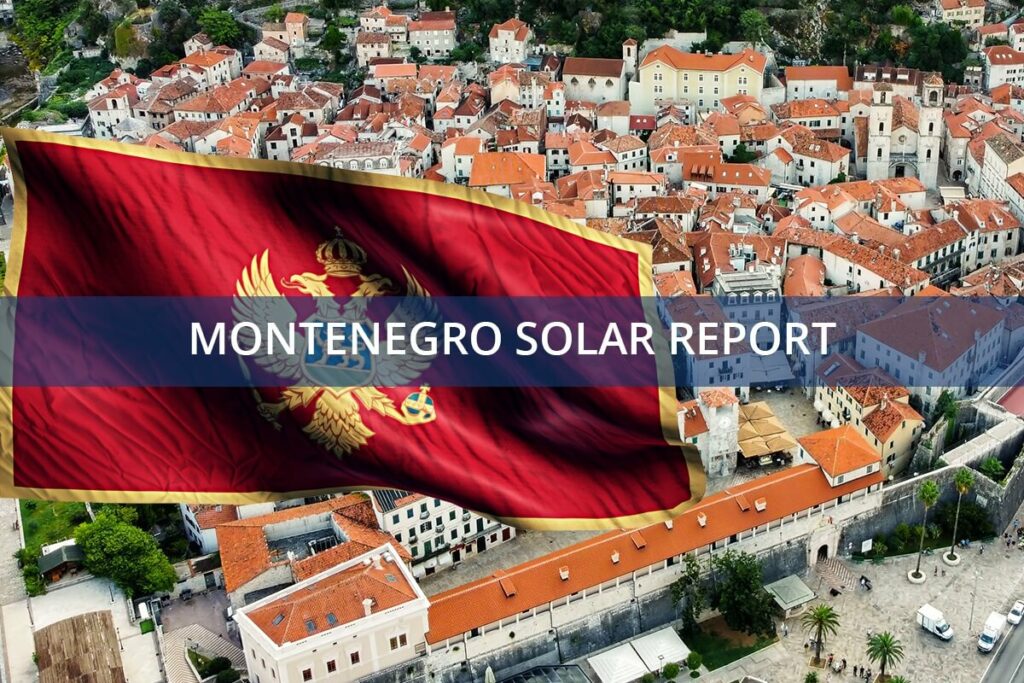
Rudnik Uglja AD Pljevlja, Montenegro’s primary coal mining company, has announced a strategic pivot toward renewable energy with plans to develop a major solar photovoltaic (PV) project in Pljevlja. This initiative marks a significant step in the region’s energy transition, signaling a move away from fossil fuels. The project will involve the construction of a 10 MWp solar PV facility on an 11-hectare site owned by the company, harnessing solar power to generate clean electricity.
Investment and Project Details for the Montenegro solar project
The solar PV project carries an estimated cost of EUR 8.8 million (USD 9.6 million). The Rudnik Uglja board of directors has approved an initial capital investment of EUR 3.5 million to kickstart the development. This investment is contingent upon the consent of the company’s shareholders, a topic set for discussion at the upcoming general assembly meeting scheduled for November 28, 2024. For a deeper understanding of how such costs are allocated in large-scale solar projects, a detailed solar panel manufacturing plant cost breakdown can provide valuable insights.
This project is a cornerstone of Rudnik Uglja’s broader strategy to diversify its energy portfolio and reduce its historical reliance on coal. In addition to the solar farm, the company has also announced ambitious plans to build a 50 MW wind farm near the coal mine, with a projected investment of EUR 60 million.
Financing and Collaboration for the Montenegro solar project
To support its diversification efforts, Rudnik Uglja has already secured a EUR 2.2 million loan from the European Bank for Reconstruction and Development (EBRD) to help finance the wind farm. This financial backing from a major international institution like the EBRD underscores the project’s importance to Montenegro’s green energy transition.
The solar PV project in Pljevlja is expected to contribute significantly to Montenegro’s renewable energy capacity. The 10 MWp facility will generate clean energy, reducing the country’s carbon footprint and supporting its commitments to international climate agreements. Rudnik Uglja’s investment aligns with global trends where energy companies are shifting focus from fossil fuels to renewable sources. This transition, driven by the need to address climate change, involves a complex solar panel manufacturing process to produce the technology powering this green shift.
Environmental and Economic Impacts of the Montenegro solar project
The solar PV project will not only help Montenegro meet its renewable energy targets but also stimulate the local economy in the Pljevlja region. The construction and operation of the solar facility will create local jobs and require skilled labor, providing new opportunities for employment and training in the renewable energy sector. The development will also involve sourcing various solar panel raw materials and utilizing specialized equipment, further boosting economic activity.
As Montenegro continues to develop its renewable energy infrastructure, projects like the Pljevlja solar PV facility will play a crucial role. This initiative is expected to serve as a model for future developments in the region, demonstrating the potential for solar and wind energy to replace traditional coal-based power generation. This trend is visible across the Western Balkans, with a recent Kosovo solar project also marking a significant milestone for energy independence in that nation.
Rudnik Uglja’s commitment to renewables is reflected in its broader corporate strategy, which emphasizes sustainability and environmental responsibility. These investments are part of a long-term vision to become a leader in the renewable energy sector in Montenegro and the wider region.
Future Prospects for the Montenegro solar project
The Pljevlja solar PV project represents a significant milestone for both Rudnik Uglja and Montenegro’s renewable energy ambitions. With support from international financial institutions and company shareholders, the project is poised to make a substantial impact on the country’s energy landscape. This move mirrors similar efforts in neighboring countries, as seen in the PVKnowhow Croatia Solar Panel Manufacturing | Market Insights Report, where renewable capacity is also expanding.
As the world moves toward a more sustainable energy future, such projects are essential. The transition is gaining momentum across Europe, with nations like Poland rapidly expanding their solar capacity, as detailed in this Poland Solar Panel Manufacturing Report. For enhanced grid stability, future projects may even integrate battery storage, a model successfully implemented in an ambitious Eritrea solar project. Montenegro’s investment in renewable infrastructure will not only help meet its domestic energy needs but also position the country as a key player in the clean energy transition.
To learn more about the fundamentals of creating the technology behind these transformative projects, explore the basics of solar panel manufacturing. If you’re interested in delving deeper into this growing industry, consider enrolling in our free e-course.