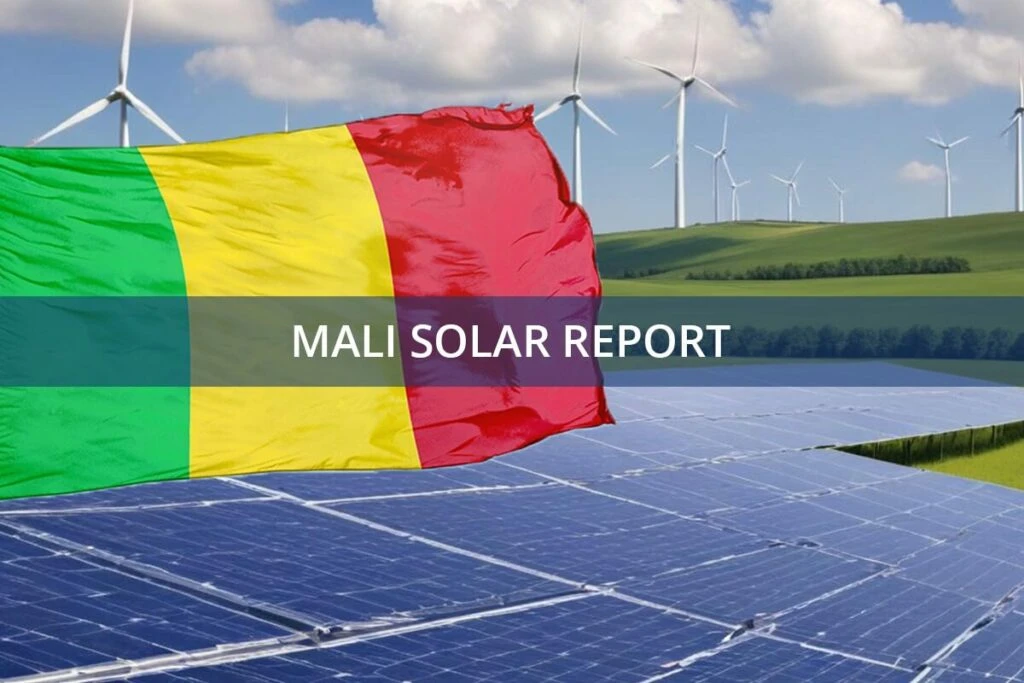
In a significant move to combat energy poverty in West Africa, the West African Development Bank (BOAD) has committed a 15 billion FCFA (approximately $25 million) refinancing line to advance Mali’s Off-Grid Solar Electrification Project (PESOM). This crucial injection of capital, managed through BMS Mali, is set to dramatically expand clean energy access in a nation where, as of 2022, 80% of the rural population still lives without electricity.
Tackling a Critical Development Hurdle with Mali off-grid solar: Essential BOAD Funds Power 2024 Growth
Mali faces a stark energy divide, with a national electrification rate of 57.4% that plummets to just 26.94% in rural communities. For millions, this has meant a continued reliance on costly and hazardous energy sources like kerosene and diesel generators. The PESOM initiative directly confronts this challenge by financing the deployment of decentralized solar solutions. The project’s strategy involves a dual approach: installing solar mini-grids to power entire villages and deploying standalone solar systems for individual households and small businesses, bringing reliable, affordable energy where it is needed most.
Catalyzing Economic and Environmental Progress through Mali off-grid solar: Essential BOAD Funds Power 2024 Growth
The impact of this solar initiative extends far beyond illumination. By replacing polluting fuels, the project will curb greenhouse gas emissions and improve local air quality. Economically, it promises to be a powerful engine for growth. The development and maintenance of this new energy infrastructure will create skilled jobs, stimulating local economies. Understanding the complete solar panel production lifecycle, from the specific photovoltaic raw materials to final installation, highlights the scope of new employment opportunities. This access to stable power is also expected to empower local small and medium-sized enterprises (SMEs), enabling them to operate more efficiently and expand their services.
A Strategic Investment in a Sustainable Future with Mali off-grid solar: Essential BOAD Funds Power 2024 Growth
This funding is a key pillar of BOAD’s overarching “Djoliba 2021–2025” strategic plan, which prioritizes sustainable development and economic resilience across the region. The investment in Malian solar reflects a broader trend of accelerating renewable energy adoption, as documented in the latest global solar analysis. Similar ambitions are emerging in neighboring countries, including exploratory studies for a potential solar factory in Benin. Such projects underscore the significant capital required, often detailed in a solar manufacturing cost analysis, making BOAD’s financial support indispensable. The project also benefits from the technical assistance of international partners like the World Bank and the African Development Bank, ensuring a robust framework for success.
Transforming Lives Through Solar Technology and Mali off-grid solar: Essential BOAD Funds Power 2024 Growth
For rural Malians, this project signals a transformative shift. Consistent electricity will enhance education for children, improve healthcare services, and foster greater community connection. By offering a cheaper, cleaner alternative to traditional fuels, households can redirect their savings toward other essential needs. This initiative, built on the fundamentals of modern solar technology, represents a foundational step in Mali’s journey toward universal energy access and a sustainable future. For those interested in the technologies driving this change, a deeper dive into solar energy is available.