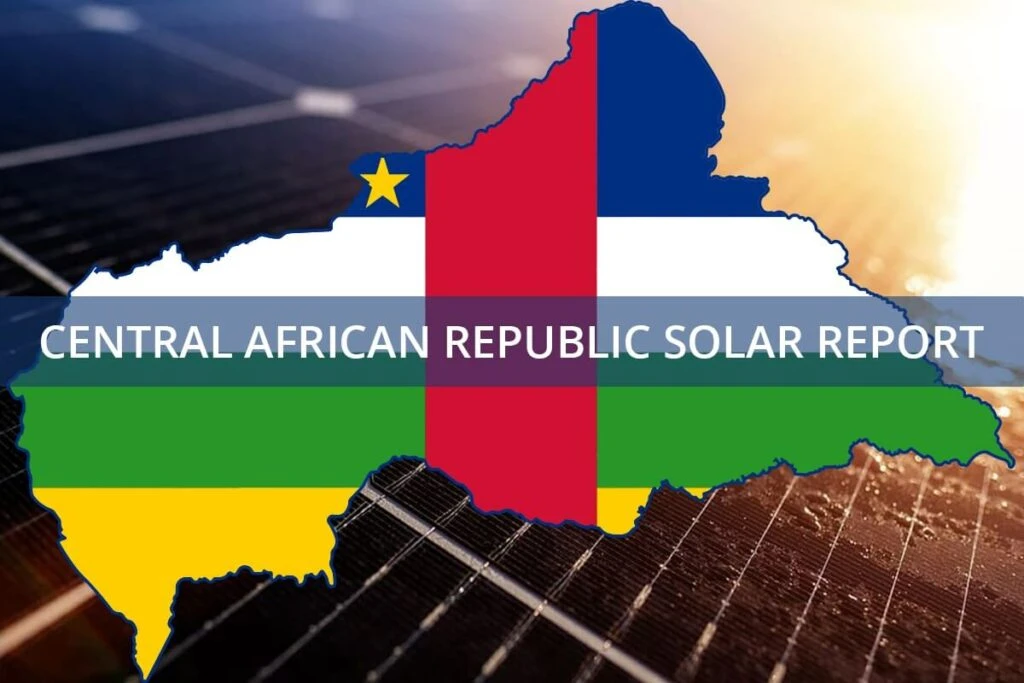
The Central African Republic (CAR) has started constructing a 50 MW solar power plant, supported by a 10 MWh battery energy storage system (BESS), in Boali, near the capital city of Bangui. This landmark project aims to dramatically improve the country’s energy supply, which currently struggles with frequent blackouts and one of the lowest electrification rates in the world.
CAR Solar Power Plant to Boost Energy Supply with Solar Energy Storage
The Central African Republic has officially commenced the construction of a 50 MW solar power plant in the town of Boali, approximately 100 kilometers from Bangui. A crucial component of this project is the inclusion of a 10 MWh battery energy storage system (BESS), which will significantly enhance the plant’s efficiency and reliability by storing solar energy for use after sundown or during peak demand.
According to PV Magazine, this initiative marks a monumental step in addressing the nation’s severe energy crisis. Currently, the CAR has a total installed power capacity of just 20 MW, serving a mere 14% of its population. This new 50 MW facility will more than triple the country’s generation capacity in a single stroke. The existing power infrastructure relies heavily on aging hydropower facilities and costly diesel generators, making the shift to solar a critical upgrade. The intricate solar panel manufacturing process behind the panels for this plant represents the kind of modern technology the CAR is now leveraging.
The project is expected to supply clean, reliable electricity to over 700,000 people, transforming daily life and creating new economic opportunities for a population long hampered by energy poverty.
Funding and Support for CAR Solar Energy Storage Projects
This ambitious project is being developed by the UAE-based firm Global South Utilities, in partnership with the national utility, the Central African Energy Company (Enerca). Its realization is made possible through significant financial backing from a coalition of international partners. The African Development Bank (AfDB) is a key supporter, providing a $20 million loan. Additional crucial funding is being contributed by the European Union, the Global Environment Fund, and the United Nations.
Understanding the solar panel manufacturing plant cost breakdown helps to appreciate the scale of investment required for such transformative infrastructure. The AfDB’s commitment to the CAR’s energy sector extends beyond this solar plant; the bank has also been instrumental in funding the rehabilitation of the Boali I and II hydropower plants, which have a combined capacity of 18.65 MW and are currently being upgraded.
Reducing Dependence on Diesel with CAR Solar Energy Storage
The new solar power plant is a cornerstone of a broader national strategy to reduce the CAR’s heavy dependence on imported diesel for power generation. Diesel generators are not only expensive to operate and subject to volatile fuel prices but are also significant contributors to greenhouse gas emissions. The cost of diesel in the CAR is estimated at €0.40 ($0.44) per litre, a stark contrast to the low operational cost of renewable energy.
By integrating solar power with a modern BESS, the CAR is building a more sustainable and resilient energy infrastructure. This move will lower energy costs, reduce the nation’s carbon footprint, and provide greater energy security. The long-term economic benefits are clear when considering that the solar panel raw materials are a one-time investment compared to the perpetual cost of diesel fuel.
The solar plant is projected to generate electricity at a highly competitive cost of just €0.06 per kWh. The 10 MWh BESS is the key to overcoming solar’s intermittency, ensuring a stable power supply is available to homes and businesses even when the sun is not shining.
A Brighter Future for the Central African Republic with CAR solar energy storage
The development of the Boali solar power plant is a significant milestone for the Central African Republic. It signals a decisive shift towards clean, renewable energy and a more sustainable future. With the steadfast support of international partners like the AfDB, the CAR is making tangible progress in overcoming its long-standing energy challenges.
Once completed, this solar project will do more than just raise the national electrification rate; it will serve as a catalyst for broad economic growth. Access to reliable electricity is fundamental for the functioning of businesses, schools, and healthcare facilities, all of which stand to benefit immensely from this new energy infrastructure. Learning the basics of solar panel manufacturing highlights how accessible and scalable this technology has become for nations seeking energy independence.
The Central African Republic’s investment in solar power is a commendable step towards achieving energy security and reducing its reliance on fossil fuels. As the country continues to develop its renewable energy resources, it will be better positioned to meet the needs of its growing population and power its long-term economic development.
If you are inspired by this project and want to learn more about the technology behind it, you can explore our free e-course on solar panel manufacturing.