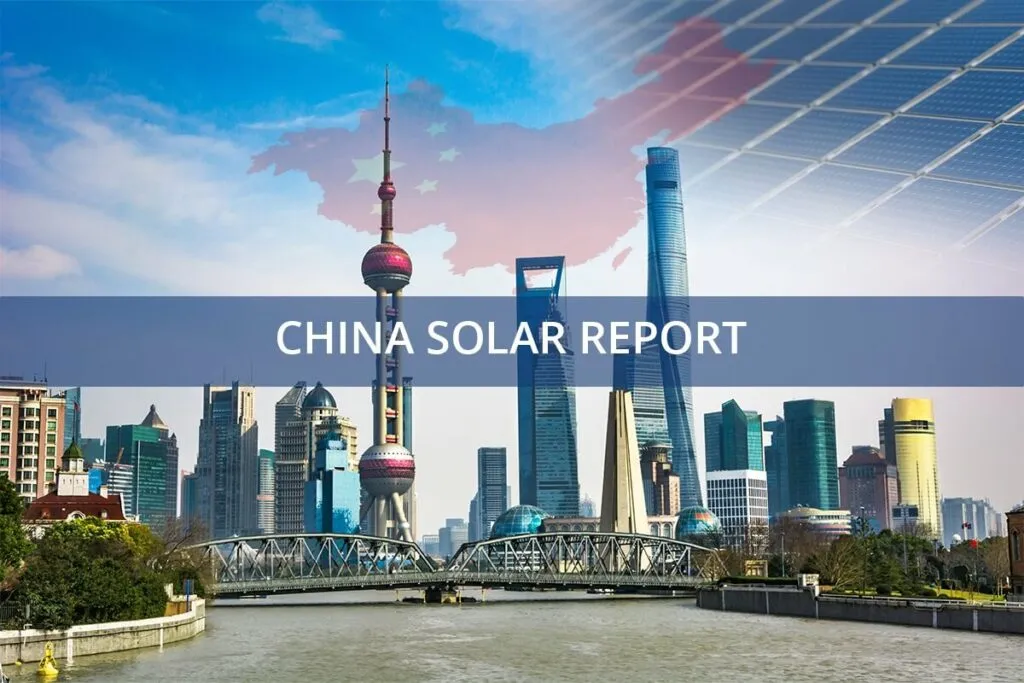
China’s solar installations have slowed significantly following major reforms to its subsidy program in mid-2025, leading to a notable drop in new photovoltaic (PV) capacity. The policy shift, which took effect May 1, 2025, created a rush to complete projects before a June 1 cutoff, followed by a sharp decline. For instance, September 2025 saw only 9.66 GW of new installations, a steep fall from 20.89 GW in the same month of the previous year. This slowdown, projected by analysts like BloombergNEF to cause a potential 19% decline in installations for 2026, marks a pivotal moment for the world’s largest solar market.
Subsidy Reforms Impacting the China solar slowdown
The sharp decline in new solar installations directly reflects the effects of the Chinese government’s subsidy reforms. Implemented in mid-2025, these changes ended full grid-parity subsidies for many commercial and industrial projects, aiming to reduce dependency on government support and foster a more market-driven, sustainable growth model. However, the abrupt transition has led to a significant drop in new projects, as developers adjust to the new, more competitive financial landscape.
Despite the slowdown, the National Energy Administration (NEA) has acknowledged the intense competition and remains committed to fostering innovation and cost reductions. While installations typically pick up later in the year, the industry is closely watching whether China can still meet its ambitious renewable energy targets for 2026. The first quarter’s figures have raised concerns about the sustainability of the country’s previously explosive growth in solar capacity.
Concerns Over Solar Module Manufacturing Capacity Amid China solar slowdown
In addition to the installation slowdown, there are growing concerns about China’s vast solar module manufacturing capacity. According to the NEA, China’s total manufacturing capacity for solar modules reached an astounding 1.8 terawatts in 2025. This figure dwarfs the global demand for new solar installations, which stood at 350 gigawatts in the same year. Understanding the basics of solar panel manufacturing helps put the scale of this industrial output into perspective.
This excess capacity has raised alarms about potential overproduction and its impact on the global market. For homeowners and businesses in Germany, this situation could translate into lower prices for solar modules, making solar energy more accessible. However, the NEA has warned that if expansion continues unchecked, China’s manufacturing capacity could double by 2030, leading to a significant global oversupply. This could cause severe price declines and create financial challenges for manufacturers worldwide, potentially impacting market diversity.
Government’s Response to Address Overcapacity in China solar slowdown
In response to these concerns, the Chinese government has taken steps to manage the issue. The Ministry of Industry and Information Technology (MIIT) announced it would restrict new capacity expansion projects in areas already facing significant oversupply. This policy is aimed at preventing a deeper glut and ensuring the long-term stability of the industry, which relies on a complex solar panel manufacturing process.
Furthermore, the government is introducing new energy efficiency standards to help stabilize the supply chain, particularly for key solar panel raw materials like polysilicon. These interventions highlight the challenge of balancing rapid industrial growth with sustainable development. The massive investment in solar panel manufacturing machines that fueled this expansion is now under careful review, as falling prices threaten the profitability detailed in a typical solar panel manufacturing plant cost breakdown.
Future Prospects for China solar slowdown Industry
Despite the current challenges, China’s solar industry remains a cornerstone of the country’s energy transition. The government is firmly committed to increasing the share of renewables in its energy mix, and solar power is central to achieving this goal. While the domestic installation market is adjusting, China’s manufacturing sector continues to consolidate its dominance abroad, including in Europe’s growing residential battery storage market.
Analysts believe the industry will eventually adapt to the new subsidy-free environment, with installations expected to recover and grow again from 2027 onwards. However, the government’s actions to curb overcapacity signal a clear shift towards a more measured and sustainable growth strategy.
China’s solar industry is at a critical juncture. The dual challenges of subsidy reform and manufacturing overcapacity are testing its trajectory. The government’s ability to navigate these issues will be crucial for the sector’s long-term health and its vital role in the global push towards a greener energy future.
Understanding these global shifts is essential for anyone interested in the solar industry, from large-scale developers to individual homeowners. To get a deeper insight into how this technology is created, explore our free e-course on solar panel manufacturing.