Indonesia is making significant strides in providing rural energy, thanks to the comprehensive efforts of the Ministry of Energy and Mineral Resources’ Directorate General of New, Renewable Energy and Energy Conservation (EBTKE). This national initiative emphasizes the critical importance of community involvement, a point strongly highlighted by EBTKE Director General Yudho Dwinanda Primadi, as Indonesia works towards its goal of a 23% renewable energy mix by 2025.
Community-Based Energy Management for Rural energy Indonesia
The Indonesian government is championing a multi-faceted approach to rural energy, focusing on programs like the Centralized Solar Power Plant (PLTS), Solar Street Lighting (PJU-TS), and Biogas, all of which are managed directly by local communities. These initiatives are part of a broader strategy that includes rural electrification, free electricity connections, and the promotion of solar power to develop resilient energy infrastructure in rural and remote areas.
Director General Yudho Dwinanda Primadi emphasized that these programs are designed for long-term sustainability by empowering communities to manage and maintain the energy facilities themselves. This model not only provides a reliable energy source but also stimulates local economies and fosters a profound sense of ownership among community members. A prime example is the use of biogas digesters, which convert local livestock waste into clean cooking fuel for families, simultaneously reducing harmful methane emissions.
“For instance, the Centralized Solar Power Plant (PLTS) which is managed by the community, ensures that the plant operates continuously and sustainably,” said Yudho Dwinanda Primadi. “This community-based management empowers local residents to take responsibility for the operation and maintenance of the plant, thereby creating jobs and promoting a sense of ownership.”
Job Creation and Ownership in Rural energy Indonesia
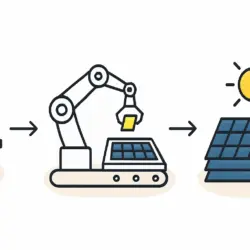
The community-managed energy programs are intentionally designed to create local jobs and instill a sense of collective ownership. By involving residents in the day-to-day management and maintenance of these facilities, the government ensures that the energy infrastructure is well-cared for and that its benefits are distributed throughout the community. Understanding the solar panel manufacturing process can give community members an even greater appreciation for the technology they now steward.
The government has also launched the successful Solar Home System (SHS) program to provide electricity to individual households in remote areas. This initiative, along with the Biogas program, is also managed at the community level. Furthermore, there is a concerted effort to improve renewable energy literacy and provide technical training for women in rural and coastal communities, ensuring that the benefits of this energy transition are inclusive.
Improving Quality of Life with Rural energy Indonesia
The implementation of community-based energy programs has had a tangible, positive impact on the quality of life in these regions. The provision of reliable energy has improved access to education by allowing children to study after dark, boosted healthcare services, and created new economic opportunities by powering small businesses and local enterprises.
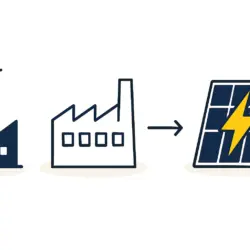
These programs are a cornerstone of Indonesia’s broader strategy to reduce greenhouse gas emissions and promote environmental sustainability, aligning local action with the country’s National Energy Policy. By deeply involving the community in energy management, the government is fostering a widespread culture of environmental stewardship and responsibility from the ground up. The technology itself, from the specific solar panel raw materials used to the final installation, is a key part of this sustainable future.
Challenges and Solutions for Rural energy Indonesia
While these community-based energy programs have been largely successful, they are not without challenges. Some communities have initially struggled with the technical aspects of maintenance and operation, leading to potential delays in repairs and reduced performance of the facilities.
To address these issues proactively, the government has instituted robust training and support programs. These initiatives are designed to help communities develop the specific skills needed to manage and maintain the energy infrastructure effectively. This training goes beyond simple repairs, aiming to build long-term local capacity and a deeper understanding of the technology. Familiarity with the basics of solar panel manufacturing and even the types of solar panel manufacturing machines used can empower local technicians to diagnose issues more effectively. This knowledge helps protect these valuable community assets, which represent a significant investment as detailed in a typical solar panel manufacturing plant cost breakdown.
Overall, Indonesia’s community-based energy programs have been a key driver of rural energy development and empowerment. By placing local communities at the heart of managing renewable energy infrastructure, the government has created a sustainable model that ensures these programs continue to benefit the people they are designed to serve for years to come.
If you are interested in the technology that is making these transformative projects possible, a great place to start is by learning about the fundamentals. To dive deeper, consider exploring our free e-course.