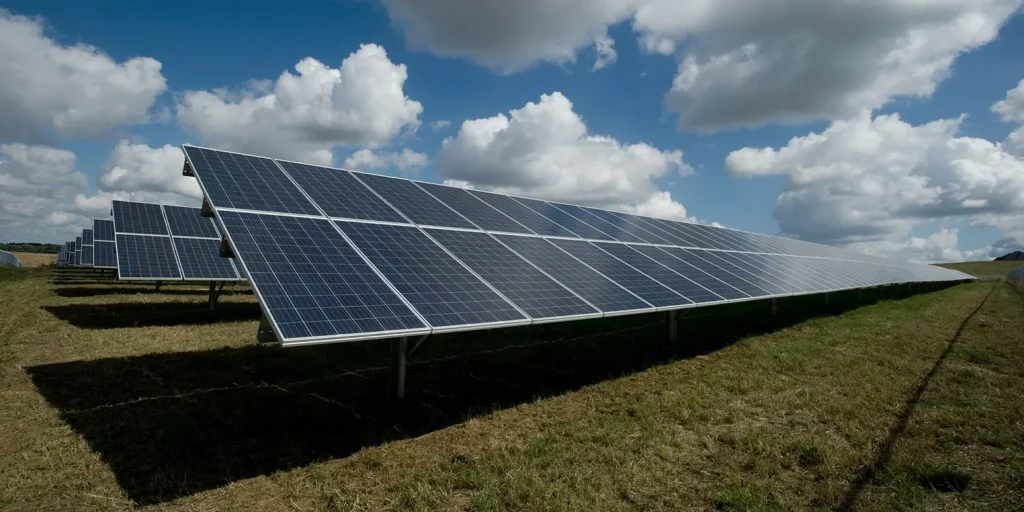
In a significant move toward renewable energy, Kyrgyzstan is developing a 150 MW solar project in the Naryn region. The project is being supported by the International Finance Corporation (IFC) and aims to utilize Kyrgyzstan’s abundant sunlight and high-altitude conditions to create a more sustainable and secure energy future.
IFC Supports the Kyrgyzstan solar project
The IFC, a member of the World Bank Group, has announced its role in developing a landmark 150 MW solar project in Kyrgyzstan’s Naryn region. Located in the country’s central highlands, the Naryn region is characterized by high solar irradiation and clear atmospheric conditions, making it a prime location for photovoltaic energy production. This initiative is a cornerstone of Kyrgyzstan’s strategy to expand its renewable energy portfolio.
As the lead transaction advisor, the IFC will provide comprehensive expertise throughout the project lifecycle. This support extends beyond general guidance to include structuring a competitive public-private partnership (PPP), conducting due diligence, identifying and securing private sector investors, and ensuring the project adheres to international best practices for environmental and social sustainability.
Boosting Kyrgyzstan’s Renewable Energy Capacity with a Solar Project
The solar project is poised to significantly enhance Kyrgyzstan’s renewable energy capacity. The nation’s grid is currently dominated by hydroelectric power, which constitutes around 90% of its electricity generation. While a clean energy source, this heavy reliance creates vulnerability to seasonal water flow fluctuations and the long-term impacts of climate change on the region’s glaciers, often leading to energy deficits during colder months.
By diversifying the national energy mix with utility-scale solar power, Kyrgyzstan can mitigate these risks and bolster its energy security. The 150 MW plant will inject a stable and predictable source of electricity into the grid, helping to meet the country’s rising energy demands and reducing its susceptibility to hydrological volatility.
Environmental and Economic Benefits of the Kyrgyzstan solar project
Beyond the clear environmental advantage of generating clean electricity and reducing carbon emissions, the solar project is expected to deliver substantial economic benefits. The construction and operational phases will create local jobs and foster economic growth in the Naryn region. Understanding the basics of solar panel manufacturing is key to appreciating the skills and labor involved. Furthermore, by generating power domestically, the project will decrease the nation’s dependence on energy imports, shielding the economy from volatile international fuel prices.
This initiative aligns perfectly with Kyrgyzstan’s ambitious renewable energy targets, including increasing the share of renewables to 10% by 2030. It builds on supportive government policies, such as the 2021 energy law designed to incentivize private investment in green energy projects.
A Model for Future Renewable Energy Projects in Kyrgyzstan
The 150 MW Naryn solar project is positioned to serve as a blueprint for future renewable energy endeavors in Kyrgyzstan and across Central Asia. However, the path to large-scale renewable development is not without its complexities. Recent reports indicate that other proposed solar initiatives in the same region have been halted pending further review of their feasibility and environmental impact, underscoring the critical importance of meticulous planning and robust assessments.
The successful implementation of this project, guided by the IFC’s expertise, is therefore crucial. It will demonstrate the viability of large-scale solar in the country’s unique geographical conditions, thereby attracting further private investment into the sector. Building this local capacity involves a deep understanding of the entire value chain, from the sourcing of solar panel raw materials to the intricate solar panel manufacturing process. Demonstrating a clear and viable solar panel manufacturing plant cost breakdown will be key to securing future financing.
The Naryn solar project is a vital step forward for Kyrgyzstan. With the IFC’s backing, the nation is making tangible progress toward a cleaner, more resilient energy system. For energy consumers in countries like Germany, such international developments are also significant, as they contribute to global climate goals and promote the technological and financial models needed for a worldwide energy transition.
If you are interested in delving deeper into the technical and business aspects of solar energy, consider enrolling in our free e-course to expand your knowledge.