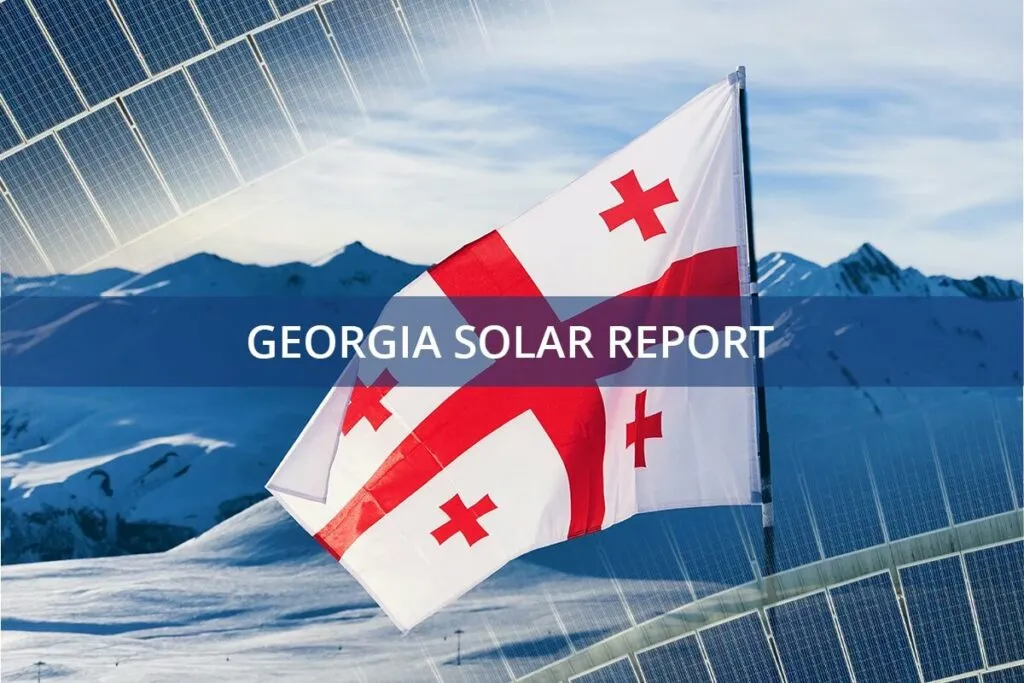
Georgia’s solar energy sector is shining brighter than ever, experiencing substantial growth that positions it as a renewable energy leader in the Southeast. This expansion is fueled by a combination of supportive state policies, significant utility investments, and a business-friendly environment that is attracting major projects. With a remarkable increase in solar capacity, Georgia is solidifying its spot as one of the top solar markets in the United States.
Understanding Georgia’s Solar Expansion and Georgia solar growth
Georgia’s solar energy sector is in the midst of a significant boom. This growth reflects the state’s commitment to expanding its renewable energy infrastructure and reducing its reliance on fossil fuels. The state’s total solar capacity has now reached 5,585 MW, enough to power approximately 707,000 homes.
A key driver behind this rapid expansion is a surge in electricity demand, partly fueled by the state’s growing number of data centers, which saw a 17% increase in usage year-over-year. This rising demand is accelerating the need for new, clean power sources. To meet this challenge, Georgia is leveraging its abundant sunshine and available land to develop large-scale solar projects, making solar power a central pillar of its energy future.
Major Projects and Investments Driving Georgia solar growth
One of the primary factors propelling Georgia’s solar growth is the development of major utility-scale projects. The state has become a hub for investment, with major utilities like Georgia Power, a subsidiary of Southern Company, leading the charge. In 2024 alone, Southern Company added 4 gigawatts (GW) of solar power to its grid, and it has plans to double its regional solar capacity within the next five years.
This commitment is further demonstrated by Georgia Power’s recent filing to certify approximately 10 GW of new generation resources, a significant portion of which is dedicated to solar and battery storage. These large-scale constructions involve a complex solar panel manufacturing process to supply the vast number of modules required.
A prime example of a landmark project is the Snipesville Solar farm in Jeff Davis County. Covering over 2,000 acres, this facility generates 150 MW of clean energy and incorporates innovative agrivoltaics, allowing for dual land use with agriculture. Looking forward, Georgia is also embracing energy storage to enhance grid reliability. Construction has begun on a 200 MW battery energy storage system (BESS) in Twiggs County, which will store excess solar energy for use during peak demand.
Policy Support and Future Prospects for Georgia solar growth
Georgia’s solar growth is underpinned by a supportive regulatory environment, guided by the Georgia Public Service Commission (PSC). The PSC plays a pivotal role in approving new utility-scale solar and storage projects, ensuring that the state’s energy transition is both ambitious and orderly. While Georgia doesn’t have a mandatory Renewable Portfolio Standard (RPS), the PSC’s approval of voluntary renewable energy programs from utilities has been instrumental.
Additionally, federal incentives like the Investment Tax Credit (ITC) continue to make solar projects financially attractive for developers and homeowners alike. Understanding the basics of solar panel manufacturing helps clarify how these incentives reduce upfront costs and spur investment.
Looking ahead, Georgia’s solar market is poised for continued expansion. With numerous projects in the pipeline and a clear strategy to meet rising electricity needs with clean energy, the state is on track to not only meet but exceed its renewable energy goals.
Benefits of Solar Power in Georgia and Georgia solar growth
The expansion of solar power in Georgia delivers a wide array of environmental, economic, and social benefits. By increasing its solar capacity, the state is actively reducing its carbon footprint, combating climate change, and improving air quality for its residents.
Economically, the solar industry has become a significant job creator, providing thousands of jobs in construction, installation, and maintenance across both urban and rural communities. This growth stimulates the entire supply chain, from sourcing solar panel raw materials to deploying sophisticated solar panel manufacturing machines. Furthermore, the massive investments in new projects, detailed in any solar panel manufacturing plant cost breakdown, contribute significantly to local and state economies.
Socially, the growth of solar power increases access to affordable and reliable energy. As more Georgians install solar panels on their homes or participate in community solar initiatives, they can lower their electricity bills and gain greater energy independence.
If you’re interested in diving deeper into the world of solar energy production, consider exploring our free e-course to learn more about this transformative technology.