Power Your Home: Irish Homeowners Selling solar power Ireland Can Earn Annually
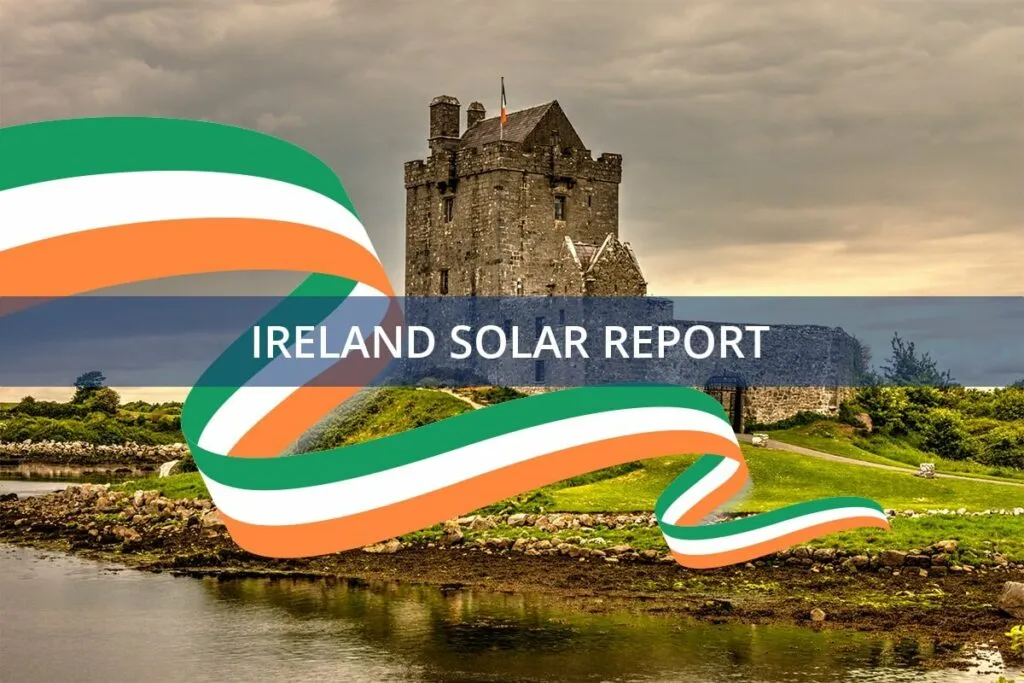
Irish homeowners with solar panels can now earn up to €400 annually by selling excess energy back to the national grid. This opportunity comes thanks to the government’s Microgeneration Support Scheme (MSS), a key initiative within the new Solar Strategy 2024–2030. This strategy is designed to significantly boost the country’s solar capacity and accelerate the adoption of renewable energy. The collective impact is already staggering, with estimates suggesting that on a single bright week, 370,000 homes could collectively earn over €3.7 million by exporting their surplus solar power.
How the Microgeneration Support Scheme Works for Selling solar power Ireland
Under this feed-in tariff scheme, homeowners who generate more solar energy than they consume can sell the surplus back to the grid. This not only reduces their energy bills but also allows them to contribute directly to the country’s renewable energy goals. The scheme is open to homeowners with microgeneration systems, defined as solar installations with a capacity of less than 6kW. To participate, a smart meter is required to accurately track exported electricity, and homeowners must register with their electricity supplier. To further sweeten the deal, the Sustainable Energy Authority of Ireland (SEAI) offers a grant of up to €1,800 to help cover the initial installation costs for homes built and occupied before 2021, making the switch to solar more accessible than ever. Understanding the basics of solar panel manufacturing can also help homeowners appreciate the technology they are installing.
Ireland’s Ambitious Solar Strategy and Selling solar power Ireland
The Solar Strategy outlines ambitious targets, aiming to install an additional 1.1GW of solar energy by 2030. This progress is well underway, with a quiet revolution taking place on rooftops across the country. As of mid-2025, over 140,000 homes were already generating their own power, contributing 576MW of microgeneration capacity. This rapid expansion is made possible by an efficient solar panel manufacturing process that makes panels increasingly affordable. While Ireland is making great strides, it can also look to established leaders like Germany for inspiration. Germany has long incentivized solar adoption, with programs like the KfW Programme 270, which offers low-interest financing for up to 100% of the cost of a battery storage system. Such initiatives encourage not just generation but also energy storage, a crucial next step for maximizing the benefits of renewable power.
Building a Greener Future by Selling solar power Ireland, One Rooftop at a Time
By empowering homeowners to sell excess solar power, the Irish government is fostering a more decentralized and sustainable energy system that benefits individual households and the broader community. The scheme is a critical component of a wider effort to reduce Ireland’s reliance on fossil fuels and transition to a greener, more resilient energy future. This combination of grants and feed-in tariffs makes solar power an increasingly attractive investment for Irish homeowners, turning rooftops into active participants in the nation’s clean energy transition.
If you’re inspired to learn more about the technology driving this change, you can explore the entire journey from solar panel raw materials to the final product. To take your knowledge even further, consider enrolling in our comprehensive free e-course on solar panel manufacturing.