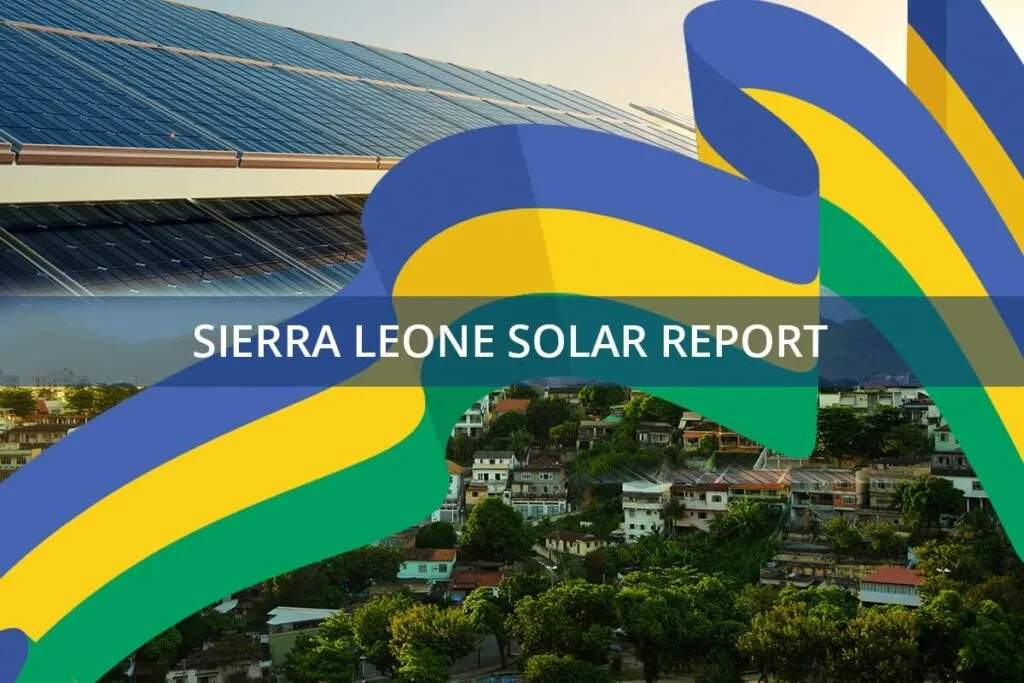
In a significant move towards sustainable energy, Sierra Leone is set to boost its electricity production with a major 64 MW solar power initiative. This project is a key part of Africa’s broader energy transition, which aims to reduce reliance on fossil fuels and increase access to clean, reliable power. Recent developments show the project advancing through innovative partnerships and financing models.
Invitation to Tender for Sierra Leone solar power
As part of the Sierra Leone Power Access Project, the Ministry of Finance originally invited tenders for the design, supply, and maintenance of two solar power plants in the Bo (34 MW) and Kenema (30 MW) regions. These plants are expected to significantly reduce the country’s energy costs and improve grid stability.
The project is financed by the World Bank, which approved a $50 million loan to the Electricity Distribution and Supply Authority (EDSA) for the construction. Following the tender process, which closed on December 17, 2024, new lease agreements have been signed to bring this vision to reality. Notably, these agreements now include battery storage solutions, a critical component for ensuring a consistent power supply. These developments are part of a larger trend in the region, as highlighted by Solar storage Africa: Scatec’s Impressive 2024 Deals.
The Role of Key Players and Strategy in Sierra Leone solar power
While global leaders like Siemens Energy are championing strategic frameworks such as the “Energy Transition Plan for Africa,” the on-the-ground implementation often involves specialized developers. In this case, the renewable energy firm Scatec, through its majority-owned subsidiary Release, has signed lease agreements to develop the 64 MW capacity, which also includes projects in neighboring Liberia. This leasing model makes large-scale renewable infrastructure more financially accessible by reducing the upfront capital expenditure for the country.
The “Energy Transition Plan for Africa” provides a comprehensive strategy to support African countries in their shift towards renewables. It outlines measures to increase clean energy’s share in the energy mix, improve efficiency, and reduce greenhouse gas emissions. The successful execution of such large-scale projects relies on a deep understanding of the basics of solar panel manufacturing and complex global supply chains for essential raw materials. In addition to the solar plants, the broader plan involves developing a modern electricity transmission and distribution network to ensure a stable power supply across all regions.
Significant Environmental and Economic Benefits of Sierra Leone solar power
The implementation of this solar project will bring significant environmental benefits to Sierra Leone. Reducing fossil fuel use will lead to lower greenhouse gas emissions, contributing to global efforts to combat climate change and helping the country meet its international climate commitments, such as the UN’s Sustainable Development Goal 7 (Affordable and Clean Energy).
The development of the electricity grid, enhanced with battery storage, will ensure a more reliable power supply, thereby reducing the risk of power outages. This creates a more conducive environment for businesses to operate and thrive.
Furthermore, the construction of the solar power plants will create jobs related to the solar panel manufacturing process and installation, stimulating economic growth in the Bo and Kenema regions. This will also help Sierra Leone reduce its dependence on electricity imports, boosting the country’s energy independence.
Ultimately, the use of renewable energy is expected to lower electricity costs for consumers, increasing the population’s access to affordable power and improving the overall quality of life. The successful implementation of this project could serve as a powerful model for other African countries, demonstrating the transformative benefits of transitioning to renewable energy.
If you are interested in the technical and financial aspects of setting up solar production, consider exploring our free e-course for an in-depth look at the industry.