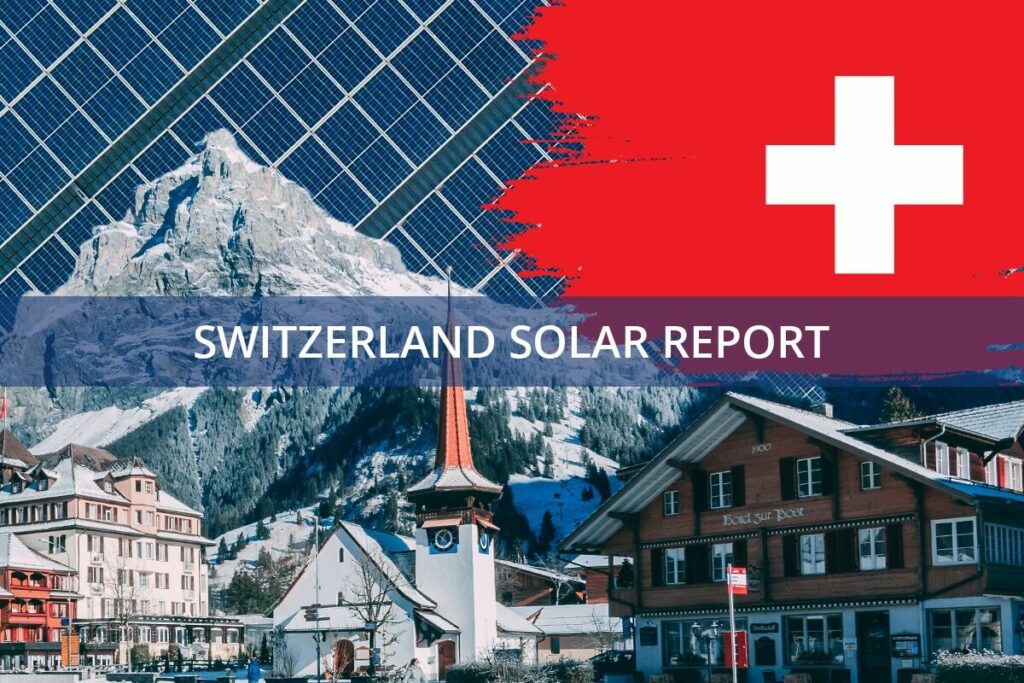
Recent advancements in photovoltaic (PV) modeling are transforming the potential of solar energy in high-altitude, snow-covered regions. New, sophisticated snow loss models, detailed in reports from the International Energy Agency’s Photovoltaic Power Systems Programme (IEA-PVPS), are enabling designers to optimize systems for Alpine climates, leading to significant gains in energy production.
Snow presents a dual challenge for solar installations: while it can blanket panels and halt production, its reflective properties can also dramatically increase output. The phenomenon, known as the albedo effect, is particularly potent in snowy landscapes, which can reflect 80-90% of sunlight. By harnessing this reflected light, bifacial PV panels can achieve an impressive 15-30% higher output during winter months. Furthermore, cold weather itself boosts PV efficiency, with voltage increasing by 0.25-0.5% for every degree Celsius below 25°C, helping to counteract annual losses from snow cover, which typically range from 1-12%.
The latest generation of snow loss models moves beyond simple estimations by incorporating localized sky coefficients and ground-station data. As highlighted in IEA-PVPS research, these tools provide highly accurate predictions for snow accumulation, shedding dynamics, and albedo gains, particularly in high-latitude areas with extensive snow cover. This data-driven approach allows engineers to fine-tune every aspect of an installation, confirming that Alpine solar plants offer a distinct advantage when properly designed.
These predictive insights directly influence the physical design of solar arrays. For example, models show that setting panels at a high tilt angle (such as the location’s latitude plus 15 degrees) significantly encourages snow to slide off. This level of climate-specific optimization is influencing the entire solar panel manufacturing process, pushing for modules built with robust solar panel raw materials capable of withstanding heavy snow loads while maximizing winter performance.
For project developers and investors, these advancements fundamentally improve the economic case for solar in snowy regions. By minimizing snow-related downtime and maximizing albedo gains, the models ensure greater system reliability and a better return on investment. This changes the solar panel manufacturing plant cost breakdown by prioritizing long-term yield over standard installation practices. As the industry evolves, refining the basics of solar panel manufacturing and employing specialized solar panel manufacturing machines will be crucial for creating these next-generation systems.
By leveraging these powerful new models, the solar industry can unlock the full potential of winter sun, turning challenging Alpine environments into hubs of clean energy production. To delve deeper into the technology, consider exploring this free e-course on solar panel manufacturing fundamentals.
- Alpine Spatial Planning, Energy Transition, and Open …
- Impact of current and warmer climate conditions on snow …
- Impact of current and warmer climate conditions on snow …
- Optimisation of Photovoltaic Systems for Different Climates
- IEA-PVPS T13-40:2026
- Do solar panels work with snow on them