In a significant move to combat climate change and foster sustainable development, the Swedish government has announced plans to increase its investments in Vietnam’s clean energy transition. This bolstered commitment aims to support Vietnam in achieving its ambitious net-zero carbon emissions target, positioning the Southeast Asian nation as a key player in the global shift towards renewable energy. The investment will be channeled through the Swedish International Development Cooperation Agency (SIDA), an organization with a long-standing history since 1965 of aiding developing countries in poverty reduction and environmental protection.
This strategic partnership is part of a larger global trend where international cooperation and private sector investment are seen as critical for accelerating the implementation of Nationally Determined Contributions under the Paris Agreement. The collaboration between Sweden and Vietnam will focus on tangible initiatives designed to create lasting impact.
Key Partnership Initiatives for Vietnam clean energy investment
The partnership is built on a foundation of collaboration and shared goals, focusing on two primary initiatives to drive Vietnam’s green transition forward:
-
The Energy Transition Partnership (ETP): Vietnam’s participation in the ETP is a cornerstone of this agreement. The ETP is a dynamic multi-stakeholder platform that brings together governments, private sector entities, and civil society to accelerate the transition to sustainable energy systems across Southeast Asia. By joining, Vietnam gains access to a wealth of knowledge, technical expertise, and investment opportunities, helping to streamline its policy development and project implementation. This aligns with data seen in the broader Global Solar Report, which highlights the immense potential for solar production growth in the region.
-
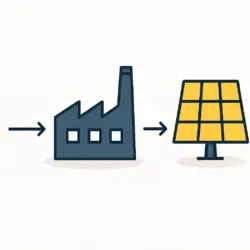
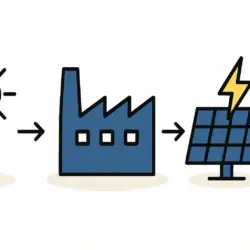
The Industrial Decarbonization Challenge: Sweden will also provide direct support for Vietnam’s efforts to decarbonize its industrial sector. This is a critical component, as industrial processes are a major source of emissions. The initiative will likely focus on technology transfer and capacity building, helping Vietnamese industries adopt cleaner production methods. This involves understanding the entire value chain, from the basics of solar panel manufacturing to the complexities of the full solar panel manufacturing process.
Building a Green Economy from the Ground Up with Vietnam clean energy investment
This enhanced cooperation signifies more than just financial aid; it represents a comprehensive approach to building a sustainable economy. The investment will support the development of a robust renewable energy infrastructure, which requires a deep understanding of the entire ecosystem. This includes sourcing sustainable solar panel raw materials and deploying advanced solar panel manufacturing machines to build local capacity.
For investors and policymakers, a clear understanding of the financial requirements is crucial. A detailed solar panel manufacturing plant cost breakdown is essential for planning and mobilizing the necessary capital to make this transition a reality. By backing Vietnam’s journey, Sweden is not only contributing to global climate goals but also fostering a partnership that promises economic growth and a more sustainable future for the entire region.
To learn more about the intricacies of building a clean energy future, from production to policy, explore our free e-course.