Examining the STMicroelectronics solar deal with TSE
In a significant move towards corporate sustainability, semiconductor giant STMicroelectronics (ST) has secured its long-term renewable energy supply by signing a 15-year physical Power Purchase Agreement (PPA) with TSE, a French leader in solar energy and agrivoltaics. This agreement ensures that ST’s French facilities will be powered by approximately 40 GWh of solar energy annually, marking a major step in the company’s decarbonization strategy.
A Closer Look at the Landmark STMicroelectronics solar deal
Under the terms of the PPA, TSE will develop and manage three new solar parks in France’s Centre-Val de Loire region. These parks, with a combined capacity of about 43 MW, are slated to become operational in 2026. A PPA like this is a long-term contract where a company agrees to purchase electricity directly from a renewable energy generator. For homeowners and businesses in Germany, this model is becoming increasingly important as it helps stabilize energy costs and supports the growth of green energy, a core principle of the Energiewende (energy transition).
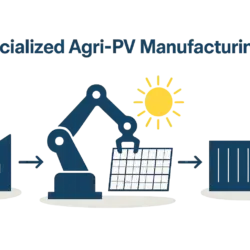
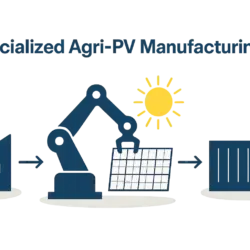
The development of these solar parks is a massive undertaking. It involves a complex manufacturing process to produce the thousands of panels needed. This long-term commitment from ST helps underwrite the significant investment required, which can be understood by looking at a typical solar panel manufacturing plant cost breakdown.
The Strategic Importance Surrounding the STMicroelectronics solar deal
TSE is not just a solar energy provider; it is also a specialist in agrivoltaics. This innovative approach involves the dual use of land for both solar power generation and agriculture. By elevating solar panels, the land beneath can still be used for farming, protecting crops from extreme weather while producing clean energy. This is a particularly relevant solution for densely populated countries like Germany, where balancing land use for energy, agriculture, and housing is a constant challenge.
The success of such projects hinges on understanding the basics of solar panel manufacturing, from sourcing high-quality solar panel raw materials to utilizing advanced solar panel manufacturing machines that ensure efficiency and durability for decades.
What This Corporate Move Means After the STMicroelectronics solar deal
While this deal directly impacts STMicroelectronics’ operations in France, it reflects a broader European trend that benefits everyone. When large corporations invest heavily in renewable energy, they drive innovation, increase the share of green energy in the grid, and contribute to greater energy independence.
For homeowners and tenants in Germany, this large-scale adoption of solar power has several positive implications:
* Grid Stability: More renewable energy sources help diversify the power grid, making it more resilient.
* Technological Advancement: Corporate demand pushes manufacturers to improve panel efficiency and lower costs, which eventually benefits residential consumers looking to install rooftop or balcony solar systems (Balkonkraftwerke).
* Market Precedent: It demonstrates the financial viability of long-term green energy contracts, paving the way for more accessible community solar projects and green electricity tariffs.
This partnership between ST and TSE is a powerful example of how industries are proactively shaping a sustainable future. It underscores the reliability and economic sense of committing to solar power on a massive scale.
If you are inspired by this development and want to deepen your own understanding of solar technology, from production to installation, consider exploring our free e-course to learn more.