Libya Solar Energy: Tapping into Power with Major International Partnerships
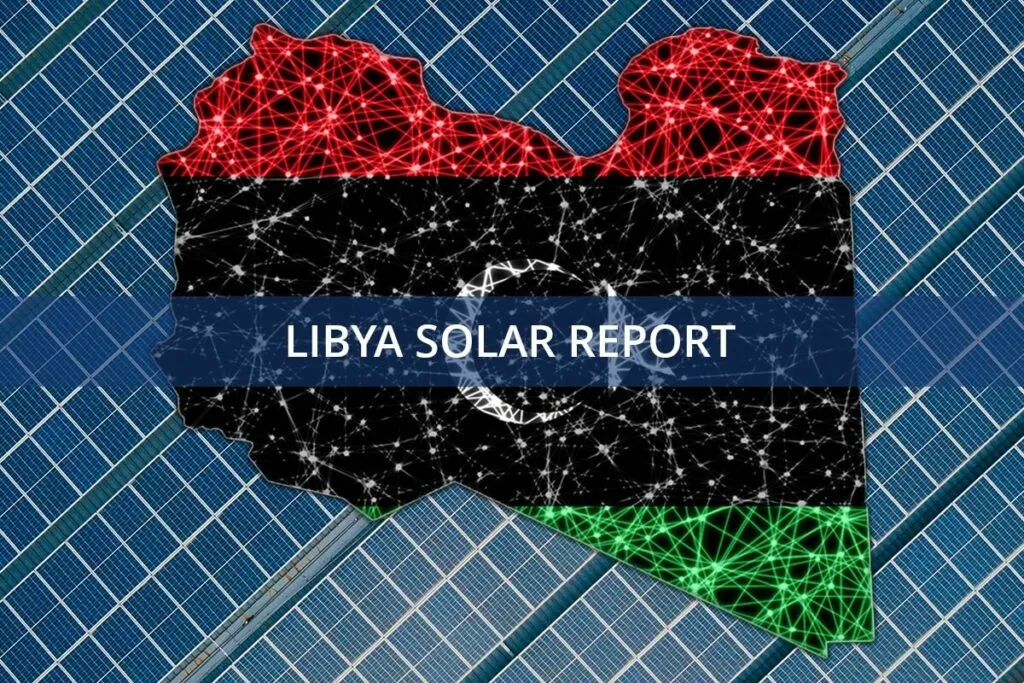
Libya’s Government of National Unity (GNU) is decisively advancing its solar energy initiatives, signaling a strategic shift in its national energy policy. In a recent high-level meeting in Tripoli, Prime Minister Abdul Hamid Dbeibeh and the Ministry of Water Resources met with UK-based Cobalt Energy to discuss new solar projects in the country’s southern region. This engagement is a cornerstone of Libya’s plan to support energy diversification, reduce its historical dependence on oil, and attract significant international investment.
The discussion with Cobalt Energy is part of Libya’s broader strategy to modernize its energy sector and explore abundant renewable energy sources. The GNU is committed to reducing the country’s reliance on oil and gas, and solar energy is a key component of this vision. Cobalt Energy, with its extensive experience in the renewable energy sector, is seen as a valuable partner for Libya in its ambitious transition towards a sustainable energy future. This initiative aligns with a wider interest in attracting international expertise, including from American corporations, to spur economic growth.
Cobalt Energy to Power Southern Libya Solar Energy Initiatives
The meeting focused on Cobalt Energy’s detailed plans for solar projects in southern Libya. The company presented a comprehensive work plan for the initial phase, which includes the construction of a major solar power plant. Understanding the basics of solar panel manufacturing is key to appreciating the scale of this undertaking. This plant will initially generate 200 megawatts (MW) of electricity, with the potential to expand to 500 MW in later stages. Such a development is expected to significantly increase the region’s energy capacity, support local infrastructure, and provide a clearer picture of the solar panel manufacturing plant cost breakdown for future projects.
Expanding Collaborations with Global Libya Solar Energy Leaders
Libya’s National Oil Corporation (NOC) has also been actively involved in advancing renewable energy projects. In a landmark collaboration with the French company TotalEnergies, NOC recently announced plans to develop a 500 MW solar power plant in the North-Central region of the country. This project is part of a broader initiative to build a 2 GW solar power plant in Libya, marking a significant step towards the country’s renewable energy goals. Executing projects of this magnitude involves securing a steady supply chain for essential solar panel raw materials.
The partnership with TotalEnergies is seen as a major milestone in Libya’s efforts to diversify its energy mix. The solar power plant will not only contribute substantially to the country’s energy supply but also help reduce its carbon footprint. The project aligns with Libya’s commitment to global climate goals and its ambition to become a leader in renewable energy in the region.
GECOL’s Photovoltaic Project and Libya Solar Energy
In addition to Cobalt Energy and TotalEnergies, the General Electricity Company of Libya (GECOL) has partnered with the Egyptian company Elsewedy Electric to develop a 500 MW solar photovoltaic (PV) project. This project, located in the southeastern desert town of Awainat, is expected to enhance Libya’s renewable energy infrastructure and support its long-term energy security. The intricate solar panel manufacturing process and the specialized solar panel manufacturing machines required for such facilities underscore the technical expertise these partnerships bring.
The Awainat project is part of a series of initiatives aimed at dramatically increasing Libya’s solar energy capacity. These projects are critical for meeting the country’s growing energy demands and reducing its reliance on fossil fuels. The collaboration with Elsewedy Electric, a leading company in the renewable energy sector, highlights Libya’s commitment to building a sustainable and resilient energy future.
A Sunny Outlook for Libya Solar Energy Future
Libya’s push for renewable energy is driven by the urgent need to diversify its economy and decrease its dependence on volatile oil exports. The country is blessed with abundant solar resources, making it perfectly suited for large-scale solar energy projects. These initiatives not only promise to strengthen Libya’s energy security and modernize its grid but also contribute to global efforts to combat climate change.
The success of these ambitious solar projects will depend on continued collaboration with international partners and the effective implementation of supportive energy policies. The GNU’s clear commitment to renewable energy is a positive and essential step towards achieving lasting energy diversification and sustainability in Libya.
To learn more about the intricacies of bringing solar projects to life, from production to installation, explore our free e-course on solar panel manufacturing.