Israel’s Genesis Wind Project: A Blueprint for Israel renewable energy
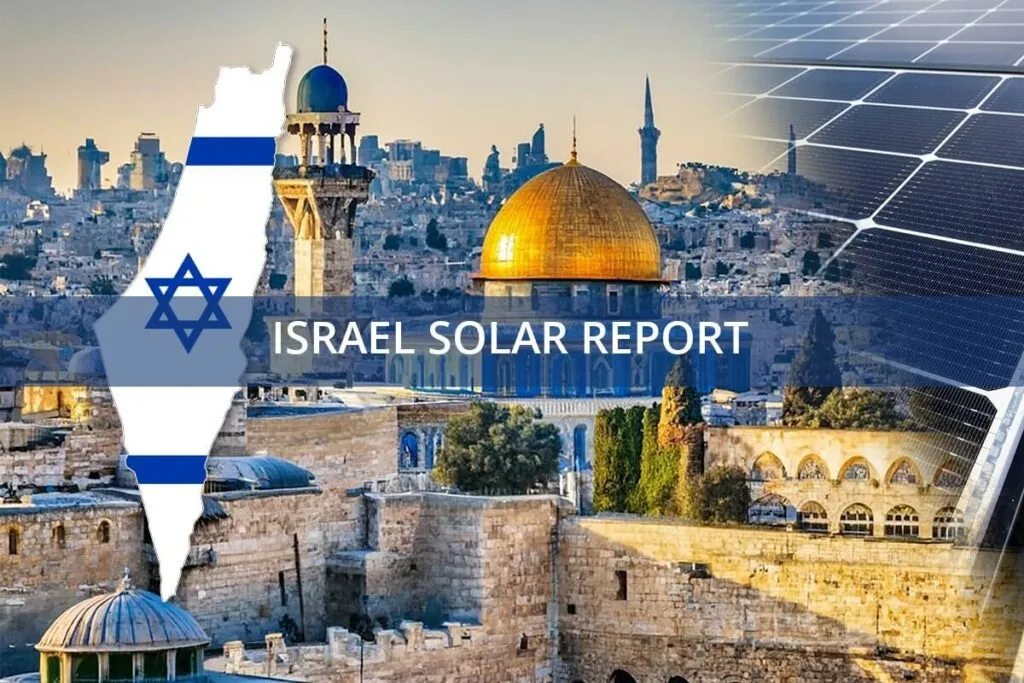
Israel is taking a monumental step in its clean energy journey with the Genesis Wind Project, a flagship initiative by Enlight Renewable Energy. This project is not just the country’s first large-scale wind farm; it stands as Israel’s largest renewable energy project to date, marking a significant milestone in the nation’s transition away from fossil fuels. For homeowners and tenants in Germany, who are at the heart of the Energiewende, Israel’s approach offers a compelling look at how national energy goals are put into action.
A Landmark Achievement in Israel renewable energy
The Genesis Wind Project is a powerful symbol of progress. Initially planned with 39 turbines for 189 MW, the project has been realized with an impressive capacity of 207 MW. This utility-scale installation is pivotal for Israel’s ambitious goal to generate 30% of its electricity from renewable sources by 2030. Large-scale projects like this are the backbone of any national energy transition, providing the clean power necessary to make a tangible impact on the grid and reduce carbon emissions.
The Power of a Diversified Israel renewable energy Strategy
While the Genesis Wind farm is a headline-grabber, it is part of a much broader and more strategic vision. Enlight’s portfolio extends beyond wind to include solar power and battery storage systems, not just in Israel but across the globe. This diversified approach is crucial for creating a stable and reliable green energy grid. For a country like Germany, which experiences fluctuating output from its own wind and solar assets, combining different technologies with energy storage is the key to ensuring a consistent power supply around the clock.
This strategy highlights that while wind is a vital component, solar energy is an equally important pillar. For many German households, solar is the most accessible form of personal renewable energy generation. The journey of a solar panel from raw material to a power-generating rooftop installation is a marvel of modern engineering. Understanding the complete solar panel manufacturing process reveals the complexity behind these everyday objects. It begins with the basics of solar panel manufacturing, which depends on sourcing and refining specific solar panel raw materials like high-purity silicon. This material is then transformed using highly specialized solar panel manufacturing machines to create the photovoltaic cells that capture sunlight. The investment required is significant, as detailed in the solar panel manufacturing plant cost breakdown, demonstrating the industrial scale needed to support the global shift to solar.
What Germany Can Learn From Israel renewable energy
Israel’s Genesis Wind Project serves as a powerful case study. It underscores the importance of “lighthouse” projects that build momentum and demonstrate a national commitment to renewable energy. Furthermore, it reinforces the lesson that a mix of technologies is not just beneficial but essential. By integrating large-scale wind, widespread solar, and critical battery storage, a country can build a resilient energy system for the future. As Germany continues to navigate its own energy transition, looking at the successes of others provides both inspiration and practical insights for the path ahead.
Whether you are inspired by massive wind turbines on a distant hill or are considering solar panels for your own balcony or roof, expanding your knowledge is a crucial step. To dive deeper into the world of solar technology, you can begin with this comprehensive free e-course on solar energy.