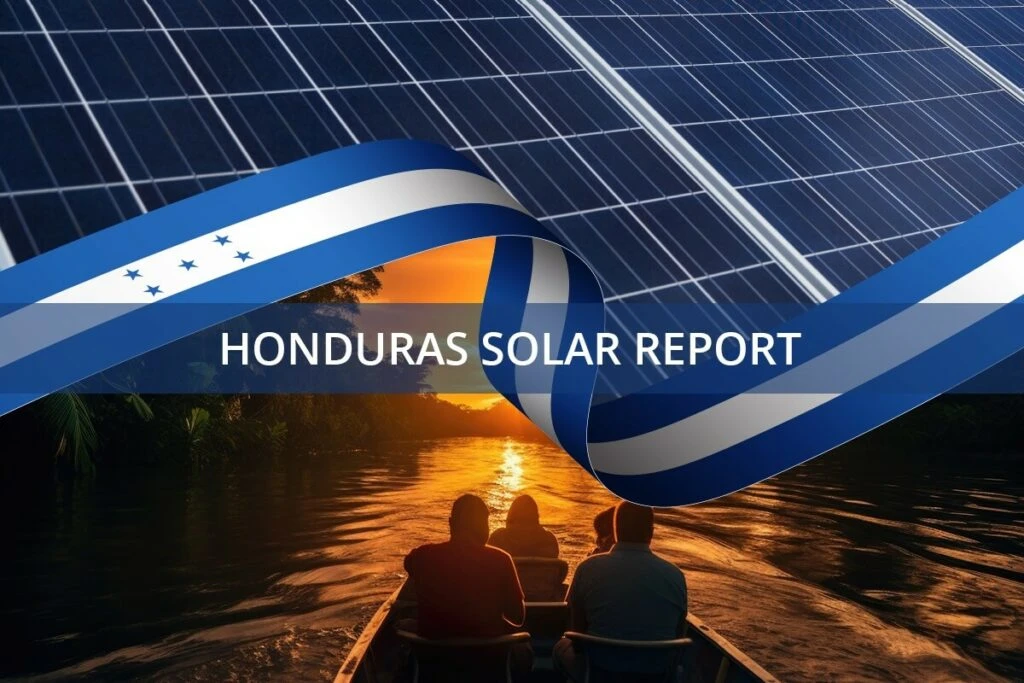
As the political climate in Honduras heats up ahead of the March 2025 primary elections, a number of pressing issues are vying for public attention. While daily concerns over unemployment, security, and corruption dominate many discussions, the long-term strategic direction of the nation’s energy policy, a key initiative of the outgoing administration, forms a crucial backdrop to the political debate. President Xiomara Castro, elected in 2021, will not seek re-election, but her government’s focus on energy sovereignty and sustainability is set to be a significant legacy and a talking point for the future.
Energy Policy: A Key Focus for the Honduras election energy policy
Following the primaries in March, Honduras will hold its general elections in November 2025. President Castro’s administration has not only prioritized renewable energy but has also made significant strides in halting the privatization of the country’s electricity grid, reframing it as a public good. This move toward energy sovereignty has set the stage for a concerted push to reduce reliance on volatile international fossil fuel markets and build a more resilient, sustainable energy system from within.
This policy has naturally emphasized the development of solar power. Blessed with high solar irradiance and facing a growing demand for electricity, Honduras is an ideal candidate for solar energy expansion. For voters, this translates into a debate about long-term economic stability, lower energy costs, and national self-sufficiency.
Key Solar Developments in Honduras election energy policy
Several landmark projects underscore this commitment to a solar-powered future. One major undertaking is the 50 MW Nacaome project, which commenced construction in 2023. Developed by the Italian company Enel Green Power, this plant represents a significant step in diversifying Honduras’ energy mix. Complementing this is the 18 MW Choluteca solar plant, a key project from the French developer Neoen that further strengthens the country’s renewable capacity.
These large-scale installations are more than just power plants; they are engines of economic activity. The intricate solar panel manufacturing process and subsequent construction phases are expected to provide thousands of jobs, with further employment in operations and maintenance for decades to come. This expansion of solar power is a cornerstone of the strategy to lower Honduras’ carbon footprint and, critically, improve its energy security.
Challenges and Opportunities in Solar Energy Honduras election energy policy
Despite the clear potential, the path to solar expansion in Honduras is not without obstacles. A primary challenge is the country’s outdated power grid, which currently lacks the modern infrastructure needed to seamlessly integrate large-scale, intermittent renewable sources like solar. Furthermore, as noted in broader electoral discussions, persistent issues of political instability and corruption pose tangible risks to the successful and transparent implementation of these capital-intensive projects. Understanding the basics of solar panel manufacturing highlights the complex supply chains and investments that are vulnerable to such instability.
However, the opportunities are compelling enough to drive the agenda forward. Successful solar projects promise to reduce electricity costs for families and businesses, bolster energy security against external shocks, and create sustainable jobs. The use of specific solar panel raw materials and advanced solar panel manufacturing machines in these projects also introduces new technical skills into the workforce. Ultimately, these efforts contribute directly to the global fight against climate change.
The Role of International Support for Honduras election energy policy
Recognizing both the challenges and the immense potential, international organizations have stepped in to provide crucial backing. Institutions like the World Bank and the Inter-American Development Bank have offered financial and technical support for solar projects in Honduras. This support is vital for overcoming domestic financial hurdles, detailed in any thorough solar panel manufacturing plant cost breakdown, and for implementing international best practices. These bodies see renewable energy as a powerful tool for promoting sustainable development and alleviating poverty.
As Honduras moves toward its elections, the future of its energy policy hangs in the balance. The success of pioneering projects like Nacaome and Choluteca will heavily depend on the next administration’s commitment and its ability to secure continued political and financial support.
In the coming years, Honduras has a unique opportunity to establish itself as a renewable energy leader in Central America. By strategically prioritizing solar energy, the country can build a more secure and prosperous future, less dependent on fossil fuels and more resilient to global uncertainties.
To learn more about the intricacies of building a solar energy future, explore our free e-course on solar panel manufacturing.