A growing number of initiatives are supporting journalists in covering climate justice issues across the Caribbean. One such effort is funding a Trinidad and Tobago reporter’s investigation into the islands’ burgeoning solar energy projects, highlighting the intersection of renewable energy development and community-focused reporting.
Trinidad and Tobago’s Focus on Caribbean solar energy
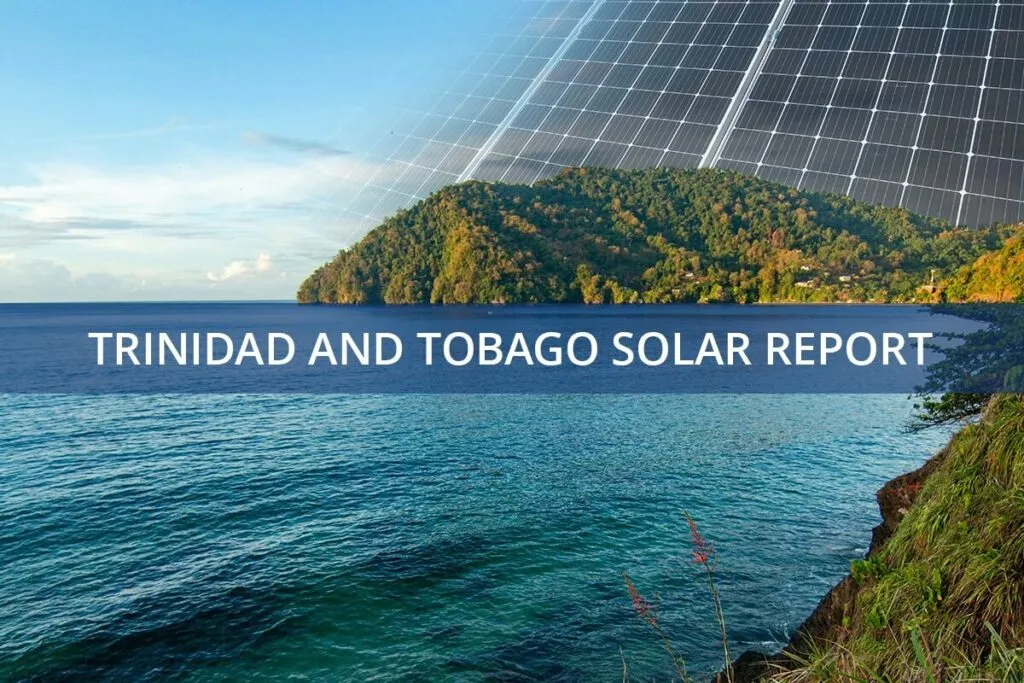
Trinidad and Tobago is on the verge of a significant energy milestone, poised to become the first Caribbean nation to develop utility-scale solar energy projects. Energy Minister Stuart Young recently announced that a consortium involving Lightsource BP, Shell, and BP will commence construction on two large-scale solar farms. These projects, located at Brechin Castle and Orange Grove, are slated for completion within 18 to 24 months.
Once operational, these farms will generate a combined 112 megawatts of electricity, enough to power thousands of homes and prevent an estimated 175,000 tonnes of carbon dioxide emissions annually. The projects will utilize advanced technology, including ground-mounted and floating solar panels, as well as battery energy storage systems to ensure a stable power supply. Understanding the intricate solar panel manufacturing process is key to appreciating the scale of this undertaking, from sourcing the right solar panel raw materials to deploying sophisticated solar panel manufacturing machines.
Minister Young emphasized that these projects are a critical step toward the nation’s goal of generating 30% of its power from renewable sources by 2030. He also highlighted Trinidad and Tobago’s leadership role in the regional transition to cleaner energy, a move with significant economic implications that can be better understood by examining a typical solar panel manufacturing plant cost breakdown.
Caribbean Climate Justice Journalism Fellowship
To ensure these developments are covered with depth and nuance, several organizations are empowering local journalists. One prominent example is the Caribbean Climate Justice Journalism Fellowship, which recently named T&T reporter Maria Nunes as one of its first recipients. This fellowship, a partnership between the Caribbean Investigative Journalism Network (CIJN) and the Caribbean Climate Justice Project (CCJP) with funding from the European Union (EU) and the Inter-American Foundation (IAF), provides financial support and guidance for investigating climate justice issues. Nunes’s project will focus on the environmental and economic impacts of the new solar projects and their potential to address energy inequality.
This is part of a broader trend. The Caribbean Energy Transition Reporting Initiative (CETRI) recently awarded its first-ever grants to ten journalists, including Trinidad & Tobago’s Ryan Bachoo. His work will explore how the nation is preparing its workforce for the renewable energy era, focusing specifically on the transition to solar. These initiatives aim to strengthen regional journalism on clean energy and climate resilience by supporting in-depth, people-centered reporting.
Empowering Journalists and Local Communities with Caribbean solar energy
Fellowships like these are designed to support journalists in producing detailed investigations that bring the experiences of marginalized communities to the forefront of the climate change conversation. They also aim to foster accountability by encouraging media outlets to publish stories that hold governments and corporations responsible for their commitments and actions.
By providing mentorship, training, and financial resources for travel and research, these programs equip journalists with the skills needed for complex investigative reporting and effective climate change communication. The ultimate goal is to amplify the voices of those most affected by climate change and provide Caribbean communities with reliable, research-driven information about renewable energy and climate adaptation.
Promoting Renewable Energy and Climate Justice in the Caribbean solar energy sector
The development of utility-scale solar projects in Trinidad and Tobago marks a pivotal moment in the country’s energy transition. For those interested in the fundamentals, learning the basics of solar panel manufacturing provides valuable context for this technological shift. Simultaneously, programs like the Caribbean Climate Justice Journalism Fellowship and the CETRI grants are ensuring that the human stories behind this transition are told.
As the Caribbean region continues to navigate the profound impacts of climate change, the parallel efforts of building renewable infrastructure and empowering journalistic oversight are crucial. Together, they pave the way for a more sustainable, transparent, and equitable future for all.
If you’re inspired by these developments and wish to deepen your own understanding of solar technology, consider exploring our free e-course on the topic.