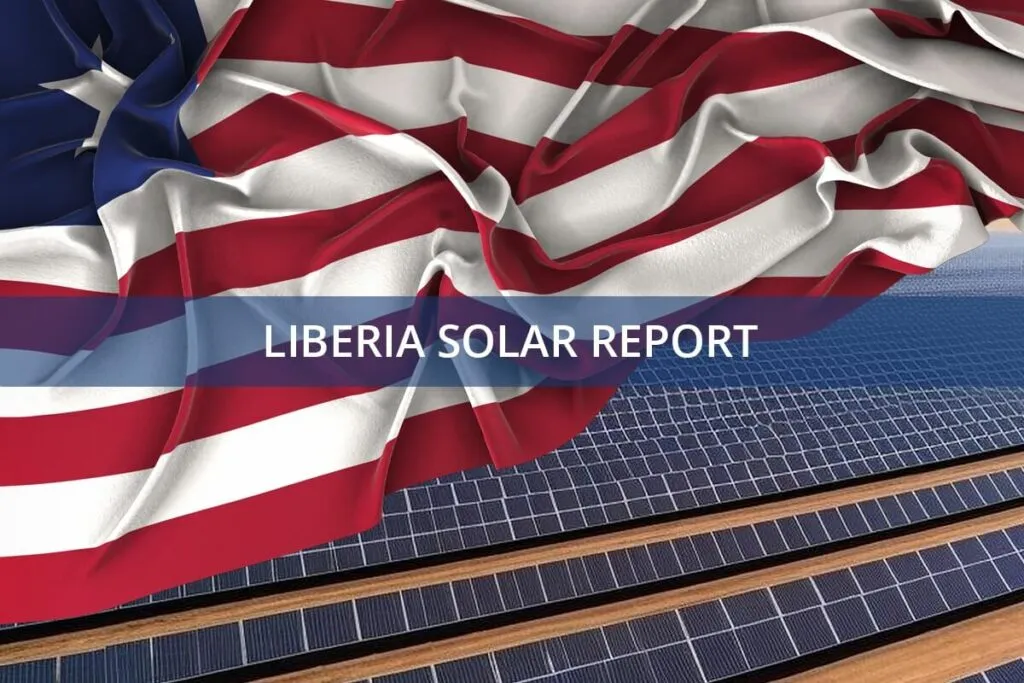
Liberia is poised for a significant leap in its renewable energy journey, with a new 70 MW solar PV project scheduled for commissioning in 2025. This landmark initiative is a core part of the nation’s strategy to increase access to clean energy, reduce its reliance on fossil fuels, and foster sustainable development. The project will be situated in the western part of the country, near the Mano River Union bridge, and will be developed by the International Finance Corporation (IFC) and CrossBoundary Energy under the IFC’s acclaimed Scaling Solar program.
Solar PV Project Details in Liberia solar power
The scope of this ambitious project is comprehensive, including 70 MW of solar energy infrastructure, a 10 MW/10 MWh battery energy storage system (BESS) to ensure grid stability, and a 2 km transmission line to connect the plant to the national grid. Construction is slated to begin in the third quarter of 2024, with the full project expected to be operational by 2025. This initiative is part of a broader push to modernize Liberia’s energy infrastructure, complementing other efforts such as the development of a 90 MW BESS facility aimed at enhancing grid reliability.
The project will be structured as a public-private partnership (PPP), with the IFC and CrossBoundary Energy as lead developers and the Liberia Electricity Corporation (LEC) acting as the off-taker, purchasing the generated power.
Financing will be secured through a mix of debt and equity. The IFC is providing a loan of up to $50 million, with the remaining capital sourced from CrossBoundary Energy and other private investors. The total project cost is estimated at approximately $100 million, a figure that reflects a detailed solar panel manufacturing plant cost breakdown covering equipment, installation, and infrastructure.
The development will occur in two phases:
* Phase One: A 30 MW solar PV plant and the 10 MW/10 MWh BESS, with completion targeted for the end of 2024.
* Phase Two: An additional 40 MW of solar PV capacity, scheduled for completion by the end of 2025.
Scaling Solar Program
Liberia becomes the 12th nation to join the Scaling Solar program, a World Bank Group initiative that facilitates the development of privately funded, grid-connected solar projects. The program streamlines the process by providing a suite of technical assistance, project preparation support, and financing to attract competitive private sector investment.
The success of Scaling Solar is evident across the continent. Notable projects developed under its framework include the 60 MW Salima Solar Plant in Malawi and the vast 100 MW Benban Solar Park in Egypt. To date, the program has mobilized over $2.5 billion in private investment and has been instrumental in reducing the cost of solar power in Africa by as much as 40%.
Key Benefits of the Project
The 70 MW solar project is set to deliver transformative benefits for Liberia.
First, it will significantly diversify the country’s energy mix. Liberia’s current heavy reliance on hydroelectric power leaves it vulnerable to seasonal rainfall variations and climate change-induced droughts. Integrating solar power will create a more resilient and reliable energy system, leveraging the nation’s abundant solar resources.
Second, the project promises substantial economic advantages. As one of the most cost-effective forms of electricity generation, solar power is expected to lower electricity tariffs in Liberia by up to 30%. This reduction will make energy more affordable for households and businesses, stimulating local industries and supporting broad-based economic growth.
Third, the initiative will be a catalyst for job creation and sustainable development. The construction phase, which involves a complex solar panel manufacturing process, and subsequent plant operation are expected to create hundreds of local jobs. This project provides not just clean energy, but a long-term foundation for economic opportunity and a more sustainable future.
Current Status of Solar PV in Liberia solar power
Liberia’s solar sector is currently nascent but growing. The country has a total installed capacity of around 5 MW, primarily serving off-grid applications in rural communities. This new 70 MW project represents a monumental step forward, dramatically increasing the nation’s solar footprint.
The Liberian government has set an ambitious goal to reach 200 MW of installed solar capacity by 2030. This project is a cornerstone of that vision. While the initial project will rely on imported components, understanding the basics of solar panel manufacturing and the necessary solar panel raw materials is crucial for developing a domestic industry in the future.
The 70 MW solar PV project is more than just an energy plant; it is a significant milestone in Liberia’s journey toward energy independence and economic prosperity. By providing clean, affordable, and reliable electricity, this initiative will power homes, schools, and businesses, creating new opportunities for the people of Liberia.
To learn more about the technology and business behind solar energy, explore our free e-course on solar panel manufacturing.