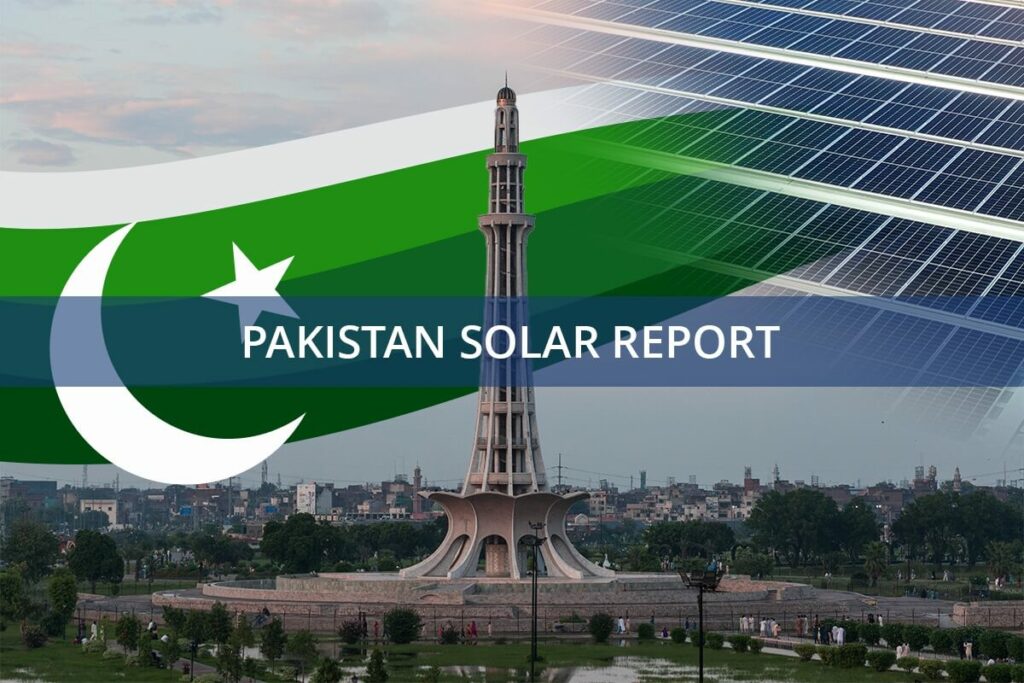
The Sindh government has launched a landmark solar scheme to provide sustainable energy solutions to its citizens, targeting 80,000 households and farms in its initial phase. This ambitious initiative aims not only to address the province’s persistent energy crisis but also to modernize its agricultural sector and promote the widespread use of renewable energy.
Inauguration of the Sindh solar scheme
On Thursday, Caretaker Chief Minister Justice (Retd) Maqbool Baqar officially inaugurated the solar scheme, marking the commencement of the first phase of the Sindh Solar Energy Project. During the launch event, certificates were awarded to initial beneficiaries, symbolizing a significant step forward in promoting renewable energy in the region.
The Sindh Solar Energy Project, a strategic collaboration with the World Bank, is designed to deliver affordable and sustainable energy to residents across the province. The broader project has already made substantial headway, having installed solar systems in 200,000 homes and successfully providing 1.5 million people with clean energy. This model of international partnership for green infrastructure is one that homeowners in Germany might find familiar, echoing the support mechanisms that have propelled Europe’s own green transition.
“The Sindh Solar Energy Project is part of a broader strategy to address energy challenges in the region,” Baqar stated. “With the support of the World Bank, we have been able to make significant progress in providing clean energy solutions to thousands of households.”
Benefits of the Sindh solar scheme
The Sindh Solar Energy Project is a comprehensive initiative designed to increase renewable energy capacity through several avenues, including solar home systems, solar mini-grids, and larger solar power plants. The project also focuses on developing a robust local solar market infrastructure to ensure the long-term success and sustainability of these efforts. Understanding the basics of solar panel manufacturing is crucial for developing such an infrastructure.
One of the scheme’s key components is providing solar home systems that offer a reliable and clean energy source. For many families, especially in rural areas with limited grid access, this means consistent power for the first time, leading to improved quality of life and savings on energy costs. These are universal benefits that resonate with homeowners everywhere, including in Germany, where reducing electricity bills is a primary motivator for solar adoption.
Significantly, the initiative extends beyond residential power. As part of the Benazir Hari Card 2025 program, the scheme provides targeted support to 80,000 registered farmers. Eligible farmers with 5 to 25 acres of land can receive an 80% subsidy on solar-powered drip irrigation systems. This not only drastically reduces their electricity costs for irrigation but also promotes sustainable water use—a critical advantage in a water-scarce region. This fusion of financial aid and green technology is a powerful tool for modernizing the agricultural backbone of Sindh’s economy.
Future Prospects of the Sindh solar scheme
The Sindh Solar Energy Project is a major step towards achieving energy security and sustainability in the province. By championing renewable energy, the project reduces dependence on expensive and environmentally damaging fossil fuels. This initiative directly supports the government’s climate change goals by cutting greenhouse gas emissions. The entire solar panel manufacturing process is geared towards creating a product that enables this green shift.
The government’s commitment, backed by the World Bank, has already created a positive impact. As the project expands, it is poised to play a crucial role in achieving long-term energy security for Sindh. The plan is to continue expanding the program, reaching more households and farms in the coming years to ensure universal access to reliable and sustainable electricity. To achieve this scale, a deep understanding of the supply chain, from solar panel raw materials to the sophisticated solar panel manufacturing machines required for production, will be essential.
By reducing reliance on traditional energy sources, the project not only protects the local environment but also contributes to the global fight against climate change. The government’s commitment to renewables is a positive stride towards a greener future, demonstrating a policy direction that mirrors the ambitions of Germany’s Energiewende (energy transition). The long-term economic viability will also depend on managing costs effectively, where every element of the solar panel manufacturing plant cost breakdown plays a role.
The Sindh government’s solar scheme stands as a powerful example of how targeted renewable energy projects can uplift communities, strengthen economies, and build a more sustainable future.
If you are inspired by initiatives like this and want to learn more about the technology that makes it all possible, consider enrolling in our free e-course to deepen your understanding of the solar industry.