World Bank Backs Major Green Energy Project with Solar power plant tender
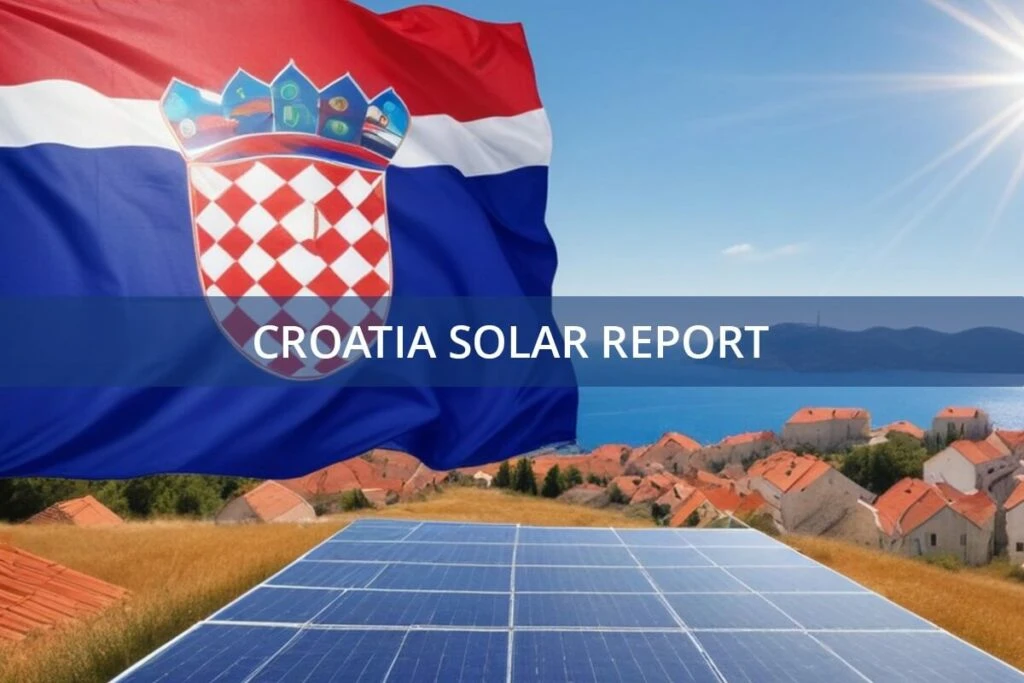
Reports indicate a significant push towards renewable energy in Southeast Europe, with the World Bank reportedly launching a tender to supply equipment for a new solar power plant initiative in the Croatia-Bosnia-Montenegro region. A key component of this ambitious project is a 5.2 MW solar facility to be developed at the site of the HE Dubrovnik hydropower plant, creating a powerful hybrid energy source.
This forward-thinking initiative extends beyond just solar panel installation. The tender also includes provisions for battery energy storage systems (BESS) and electric vehicle (EV) charging stations. The project’s holistic approach aims to significantly enhance the region’s renewable energy capacity, stabilize the power grid, and support the broader goals of sustainable development and decarbonization across the Adriatic.
A Regional Push for a Sustainable Future with Solar power plant tender
While a specific public tender for this joint project is not readily found in public databases, the initiative is consistent with a broader trend of green investments in the region. Cross-border cooperation, such as the Interreg VI-A IPA program, is already fostering projects focused on decarbonization and digitalization. Furthermore, individual countries are making strides, with Montenegro, for example, preparing for a separate 42 MW Krupac solar plant.
These developments are crucial not just for the Balkans but for the entire European energy market. As nations increase their renewable energy share, the stability of the interconnected European grid becomes paramount. For homeowners and tenants in Germany, a more robust and green energy supply in neighboring regions contributes to greater price stability and energy security at home, supporting the goals of the Energiewende (energy transition). The growth in solar capacity is a global phenomenon, with production statistics detailed in the comprehensive Global Solar Report.
The Technology Driving the Transition: Solar power plant tender
Building a 5.2 MW solar facility is a complex undertaking that relies on a global supply chain and advanced technology. The entire manufacturing process for photovoltaic modules is a marvel of modern engineering. Even a grasp of the basics of manufacturing highlights the precision required at every step.
It begins with sourcing high-purity raw materials, like silicon, which are then transformed into cells and assembled into panels using highly specialized manufacturing machines. Understanding the complete plant cost breakdown reveals why substantial investment from institutions like the World Bank is essential to get these large-scale projects off the ground.
More Than Just Panels: Integrated Energy Systems and Solar power plant tender
The inclusion of battery energy storage and EV charging stations transforms this project from a simple power plant into an integrated energy hub. Battery systems are critical for addressing the intermittency of solar power; they store excess energy generated during sunny periods and release it during peak demand or when the sun isn’t shining. This ensures a stable and reliable power supply.
Simultaneously, building out EV charging infrastructure is a vital step in decarbonizing the transport sector. For German residents who own or are considering an electric vehicle, the expansion of charging networks in popular holiday destinations like Croatia and Montenegro makes sustainable travel more feasible and attractive. This project serves as a model for how to build a comprehensive ecosystem that supports both green energy and green mobility, paving the way for a cleaner, more sustainable future.
To deepen your understanding of the technology driving this global energy shift, consider exploring our free e-course on the fundamentals of solar energy.