Sudan solar energy health: A Strategic Push in Healthcare
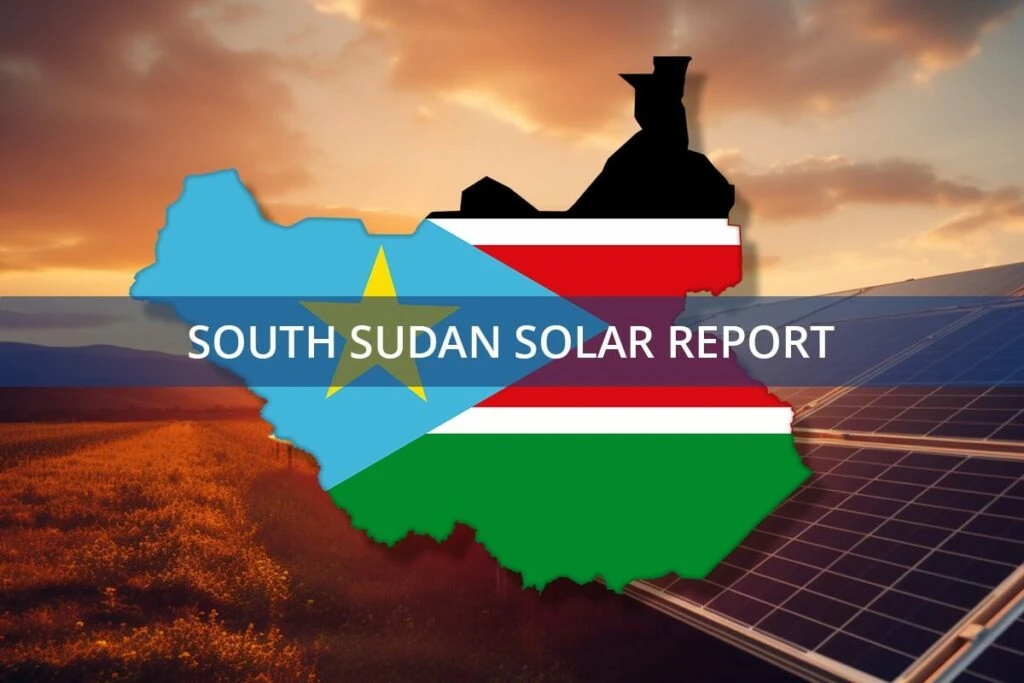
Sudan is prioritizing solar energy projects to address the severe energy crisis exacerbated by ongoing conflict. As part of a comprehensive five-year plan beginning in 2025, the nation is placing a particular focus on restoring electricity to its vital health sector. This initiative aims to reduce a critical dependence on unreliable fossil fuels, providing a more sustainable and resilient energy source for hospitals and health facilities that have been deeply affected by instability. The goal is to leverage solar technology as a cornerstone for health sector recovery and long-term development.
Forging International Partnerships for Sudan solar energy health
To realize these ambitious goals, the Sudanese government has been actively securing international support. Beyond existing commitments, such as a $50 million grant from the World Bank for solar power solutions in healthcare and EU funding for rural energy access, Sudan is building new strategic alliances. A key development is the burgeoning cooperation with Pakistan. Sudan has outlined approximately 45 major health projects and is seeking wide-ranging technical support, specifically requesting assistance with the restoration of solar energy systems at its clinics.
In response, Pakistan has committed to providing technical assistance, training for medical personnel, and facilitating knowledge sharing to help rebuild Sudan’s healthcare infrastructure. The two nations are formalizing this partnership through a Memorandum of Understanding (MoU) to accelerate the implementation of these critical projects. This collaboration highlights a global trend of using renewable energy to enhance healthcare sustainability, reduce operational costs, and improve service reliability in regions with unstable power grids. Such efforts are not isolated, as neighboring countries like those detailed in the Central African Republic Solar Panel Manufacturing Report and the Eritrea Solar Panel Manufacturing Report are also exploring solar energy to meet their development goals.
Overcoming Challenges for Sustainable Sudan solar energy health
Despite the clear benefits, significant challenges remain. The basics of solar panel manufacturing show that the technology, while decreasing in price, still involves high upfront costs for installation and the necessary solar panel raw materials. A detailed solar panel manufacturing plant cost breakdown illustrates the capital-intensive nature of such projects. Furthermore, there is a pressing need for technical expertise to manage the complex solar panel manufacturing process and maintain the systems once installed.
However, Sudan’s proactive approach of seeking technical partnerships demonstrates a clear strategy to overcome these hurdles. By collaborating with nations like Pakistan, Sudan aims to build local capacity and ensure the long-term success of its solar initiatives. These efforts are not just about restoring power; they are about improving healthcare services for millions and setting a foundation for broader renewable energy adoption across the nation.
To learn more about the fundamentals of solar technology and its implementation, consider exploring our free e-course on the topic.