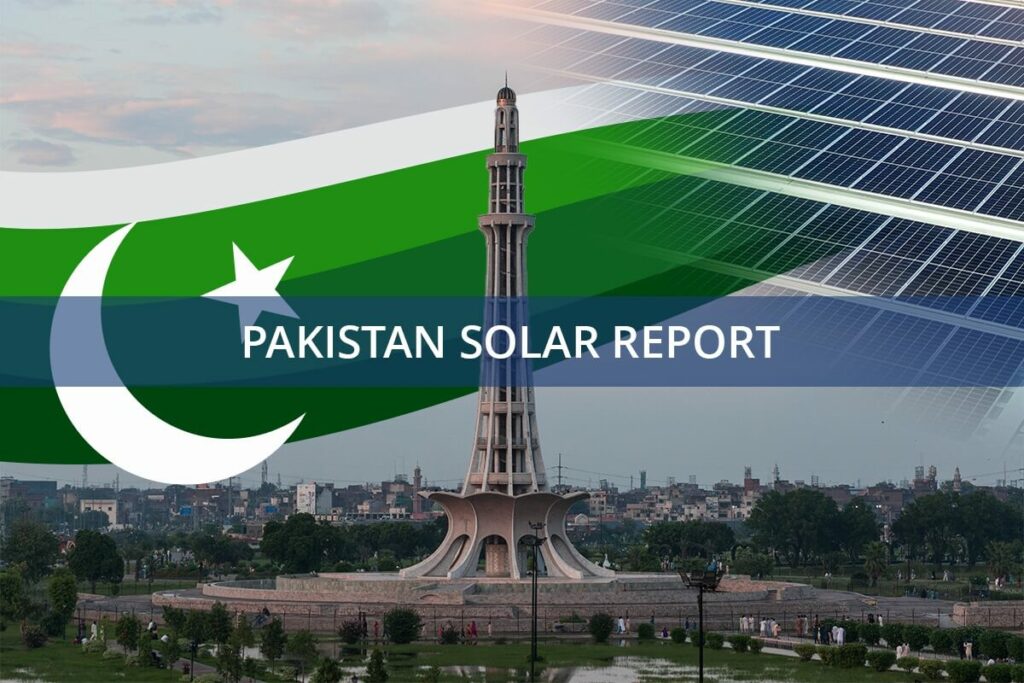
In a significant move for South Asia’s renewable energy landscape, Chinese firm TBEA and Pakistani company K-Solar have signed a major agreement to build a $1 billion solar panel manufacturing plant in Pakistan. This landmark deal was finalized during the Belt and Road Forum in Beijing, which celebrated the 10th anniversary of the Belt and Road Initiative (BRI), and it signals a continuing trend of green-tech cooperation between the two nations.
Pakistan Solar Panel Plant to Boost Renewable Energy Sector
The agreement between TBEA and K-Solar marks a pivotal development in Pakistan’s renewable energy sector. This ambitious project aims to establish a high-capacity facility that will significantly bolster the country’s domestic manufacturing capabilities. For those interested in the fundamentals, understanding the basics of solar panel manufacturing is key to appreciating the project’s scale.
The plant is planned to be constructed in several phases, with the initial phase targeting production commencement by 2024. Once fully operational, it is slated to produce 1 gigawatt of solar panels annually. This output could meet up to 80% of Pakistan’s current solar panel demand and open up avenues for exporting to other countries. A comprehensive solar panel manufacturing plant cost breakdown shows that such a large investment covers everything from advanced solar panel manufacturing machines to securing a steady supply of solar panel raw materials.
According to a report by Reuters, the solar panel plant is expected to reduce Pakistan’s energy costs and promote sustainable development. By increasing the country’s energy independence, it will also help reduce the nation’s reliance on imported fossil fuels, a critical step toward economic stability.
Pakistan’s Commitment to Renewable Energy via Solar Panel Plant
At the Belt and Road Forum, Pakistani leadership highlighted the importance of renewable energy for the country’s future, stating a firm commitment to reducing dependence on fossil fuels. This new plant is a tangible step in that direction.
This commitment is part of a broader pattern of Pakistan solar initiatives aimed at increasing renewable energy capacity. The country has set an ambitious target to generate 60% of its electricity from renewable sources by 2030, and large-scale manufacturing will be crucial to achieving this goal. The trend of Sino-Pakistani collaboration continues to grow, with another Chinese company, Hebei Juhang Energy Technology Group, recently announcing plans for a potential multi-billion-dollar solar manufacturing plant. To attract such investments, the Pakistani government is offering incentives like 10 years of zero income tax within its Special Economic Zones (SEZs).
These efforts are not isolated; they build on previous successes, as Punjab boosts renewable energy with new solar panel plant developments show. Furthermore, the government has actively courted leading global manufacturers, extending invitations to companies to set up solar panels plant in Pakistan to further accelerate the transition.
Belt and Road Initiative: A Catalyst for Pakistan Solar Panel Plant Growth
The Belt and Road Initiative, launched by China in 2013, has been instrumental in transforming Pakistan’s infrastructure and economy. Since its inception, the initiative has attracted billions of dollars in investment to Pakistan, helping to build roads, railways, and power plants. The solar panel plant is the latest in a series of projects helping to modernize Pakistan’s infrastructure and promote sustainable development.
The Belt and Road Forum in Beijing brought together leaders from around the world to discuss the initiative’s progress and explore new opportunities for collaboration. The signing of the agreement between TBEA and K-Solar was one of the highlights of the forum, showcasing the ongoing commitment of both countries to the BRI.
The plant is expected to create thousands of jobs in Pakistan, providing a significant boost to the country’s economy. The entire solar panel manufacturing process involves a skilled workforce, from engineering to assembly. By providing a reliable source of domestically produced renewable energy, it will also help lower Pakistan’s energy costs and reduce its carbon footprint. These developments support a stunning 2025 growth projection for Pakistan solar power, positioning the country as a key player in the regional energy transition.
As Pakistan continues to invest in renewable energy, this solar panel plant will play a key role in its energy future. With the support of the Belt and Road Initiative, Pakistan is well on its way to becoming a leader in renewable energy in the region.
If you are interested in learning more about the intricacies of setting up a solar manufacturing business, consider enrolling in our free e-course to gain expert insights.