In a significant push towards a greener future, the European Commission and the European Investment Bank (EIB) have announced the disbursement of €1.8 billion to energize 45 clean energy and modernization projects across the European Union. This major investment aims to accelerate the EU’s green transition, enhance energy security, and bolster the continent’s industrial competitiveness in the clean technology sector.
A Major Boost with EU clean energy funding
This significant financial injection is part of a coordinated effort to bring innovative, low-carbon technologies to the market. The funding targets high-impact initiatives that align with the EU’s ambitious climate goals, including the REPowerEU plan, which seeks to end the reliance on Russian fossil fuels and fast-forward the green transition.
While €1.8 billion is a substantial sum, it represents a focused part of a much larger commitment. This disbursement builds on the EIB Group’s massive 2024 financing effort, which is set to channel nearly €89 billion into over 900 projects. These investments are strategically designed to foster clean-tech resilience, create sustainable jobs, and secure critical supply chains within Europe.
Strengthening the Clean Energy Supply Chain with EU clean energy funding
A critical focus of this funding is to move beyond simply installing renewable capacity and instead bolster Europe’s own clean energy manufacturing and supply network. The goal is to reduce dependency on external markets and build a robust, self-sufficient ecosystem for green technologies.
Ready to make big Profits?
The solar Industry is Booming
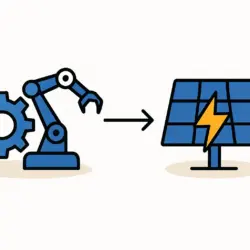
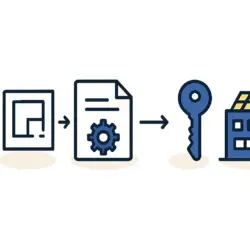
WE HELP NEWCOMERS to the solar industry start their own solar module production line. Customers can make BIG PROFITS by selling modules and finding investors, without wasting money and time on things they don't need!
Recent EIB activities underscore this strategy. A landmark €800 million partnership with Barclays, for example, will directly support the wind energy supply chain, from turbine manufacturers to grid component suppliers. Another €200 million guarantee framework with Erste Group is set to accelerate investments in wind projects across Europe. This kind of investment is vital for every stage of production, from securing the necessary solar panel raw materials to refining the complex solar panel manufacturing process. It ensures that the specialized solar panel manufacturing machines needed for this transition are developed and deployed right here in Europe.
The Broader Impact of EU clean energy funding
While these announcements often focus on large-scale industrial projects, the benefits are designed to ripple down to households across the continent, including for homeowners and tenants in Germany. A stronger, more integrated European energy grid powered by renewables means greater stability and less exposure to volatile international fossil fuel prices. For residents, this translates into enhanced energy security and the long-term prospect of more predictable energy costs.
This holistic approach is evident in the EIB’s diverse portfolio. The bank’s efforts extend beyond power generation to include modernizing infrastructure, such as the €500 million loan to Spain’s rail operator Renfe for new electric trains. By understanding the basics of solar panel manufacturing and the typical solar panel manufacturing plant cost breakdown, one can better appreciate the scale and importance of these EU-level investments in building a fully integrated green economy.
The €1.8 billion disbursement by the European Commission and the EIB is more than just a headline figure; it’s a strategic investment in Europe’s energy independence, industrial strength, and climate-neutral future. Through public-private cooperation and targeted funding, the EU is taking concrete steps to turn its green ambitions into reality.
For those interested in diving deeper into how solar technology is made, from the factory floor to the rooftop, our free e-course offers a comprehensive look into the world of solar panel production.