Operations Begin at Namibia’s First Merchant Namibia solar power plant
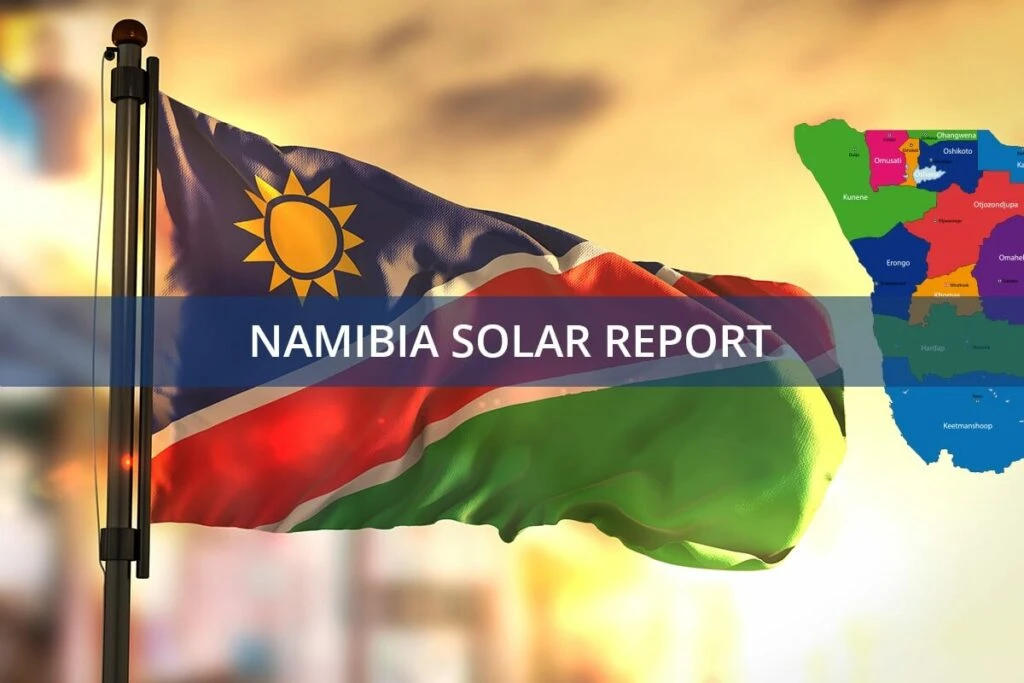
Namibia has achieved a significant milestone in its renewable energy journey with the launch of its first merchant solar plant. The 19.3 MWp Gerus Solar plant, developed by Solarcentury Africa, is now fully operational, marking a pivotal shift in how clean energy is generated and sold in the region. This development moves beyond traditional power purchase agreements, introducing a new era of competitive, market-based electricity trading.
A Milestone for Regional Energy Markets: The Namibia solar power plant
The Gerus plant is the first solar project in Namibia to sell electricity directly into the Southern African Power Pool (SAPP). This is a groundbreaking step, making it the first plant in the country to trade power on the regional market. This model enhances energy security not just for Namibia but for the entire Southern African region by providing competitively priced, clean electricity.
Developed in partnership with Sino Energy (Pty) Limited, the project was completed in just 12 months. This achievement highlights the power of collaboration between international developers and local partners, including NamPower and the Electricity Control Board of Namibia. The Gerus plant is only the second purpose-built merchant solar project in Africa, following a similar project in Zambia, signaling a growing trend towards liberalized energy markets. With this project, Namibia is taking a significant stride in positioning itself as a key player in the regional energy landscape.
Boosting Namibia’s Renewable Energy Capacity with a solar power plant
The Gerus plant is a substantial addition to Namibia’s grid, but it is just one part of a much larger ambition. The country is leveraging its abundant solar resources to pursue energy independence and become a green energy hub. This single project is part of a wave of large-scale developments, including the ambitious 100-MW Sores Gaib Plant that marks extraordinary progress in the nation’s clean energy transition.
The Namibian government’s commitment is clear, with a goal to increase the share of renewable energy to 70% by 2030. To achieve this, the country is seeing impressive progress on multiple fronts. For instance, recent agreements are paving the way for the impressive 100 MW Rosh Pinah plant, which is set to dramatically increase generation capacity. These efforts show a coordinated strategy to build the largest solar plants for energy independence and reduce reliance on imported electricity.
Global Impact and Relevance for Germany: The Namibia solar power plant
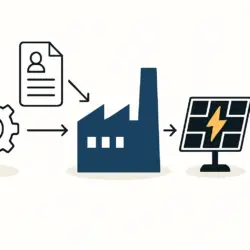
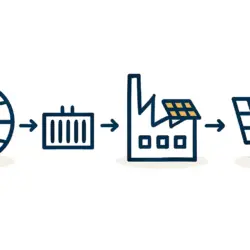
While a new solar plant in Southern Africa might seem distant, its effects ripple across the globe, impacting the German market and its residents. The global impact of a Namibia solar power plant is multifaceted. Firstly, the massive scale of these projects increases global demand for photovoltaic components, influencing the entire supply chain, from solar panel raw materials to the final panel assembly. Understanding the basics of solar panel manufacturing helps to appreciate how this demand can affect prices and availability in Europe.
More directly for Germany, Namibia’s growing solar capacity is a critical prerequisite for producing green hydrogen. Germany has identified Namibia as a key strategic partner for its future green hydrogen imports, which are essential for the Energiewende (energy transition). Large-scale solar farms like the Gerus plant are the power source that will make this green hydrogen production economically viable, ultimately contributing to Germany’s climate goals and energy security.
The Future of Solar in Namibia: The Namibia solar power plant
The commissioning of the Gerus merchant solar plant is more than just an addition to the grid; it is a proof of concept. It demonstrates that renewable energy can be traded competitively in an open market, a model that could be replicated across the continent. Solarcentury Africa has already announced plans to develop over 320 MWp of merchant solar capacity by 2027, indicating strong confidence in this approach.
As Namibia continues to build out its renewable infrastructure, it solidifies its path toward a sustainable and self-sufficient energy future. The success of merchant plants paves the way for further private sector investment, accelerating the transition to clean energy.
If you are inspired by these large-scale projects and want to understand the technology behind them, from the solar panel manufacturing process and the machines used to the complete plant cost breakdown, consider deepening your knowledge. You can start today by enrolling in our comprehensive free e-course on solar panel manufacturing.