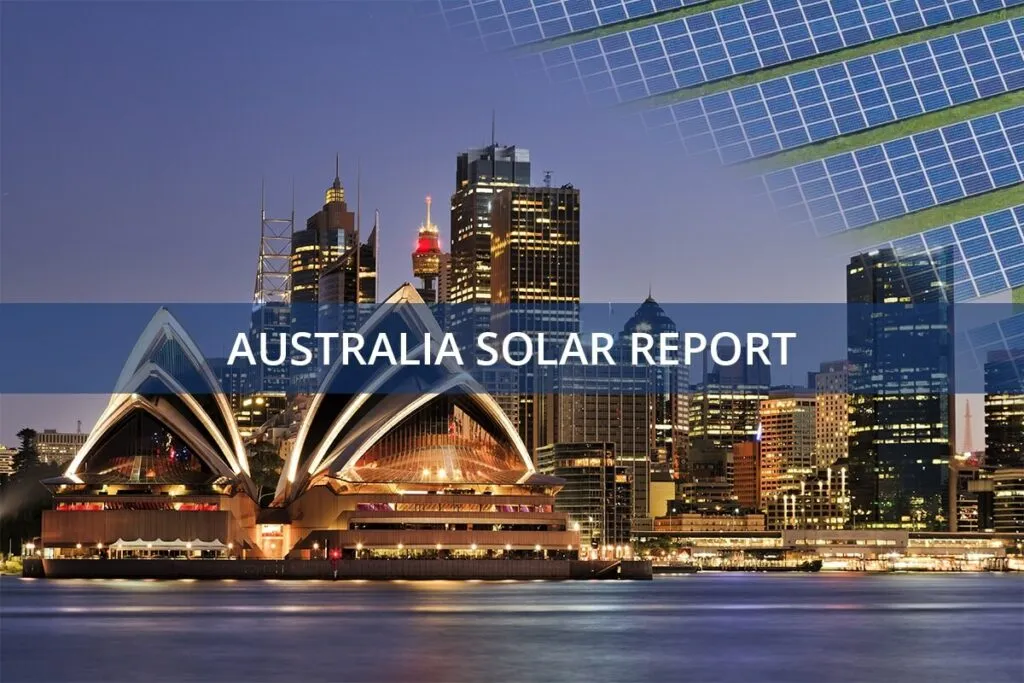
Australia stands as a titan in the global solar landscape, a fact underscored by its remarkable achievements in 2023. The nation added a staggering 3.1 GW of new rooftop solar capacity through nearly 338,000 individual installations, further cementing its world-leading position. With this massive infrastructure already powering approximately 3.7 million homes, attention is now turning to next-generation enhancements like bio-solar rooftops, a concept that merges photovoltaic technology with green-roof ecosystems to push the boundaries of urban sustainability.
The principle behind bio-solar roofing is a powerful synergy between the artificial and the natural. It involves integrating solar panels onto a living, vegetated green roof. This design tackles a common challenge for photovoltaics: heat-induced efficiency loss. The green roof cools the ambient air through evapotranspiration, which in turn helps the solar panels operate at a more optimal temperature, boosting their electricity output. The panels, in return, provide shade that can foster a more stable microclimate for the plants. Understanding the fundamentals of solar panel production reveals just how critical operating temperature is to performance.
The Multifaceted Benefits of Bio-solar rooftops Australia: Unique 2024 Trial Impresses
The potential advantages of this integrated approach are compelling and multifaceted, addressing several key urban environmental challenges. Beyond enhancing solar panel efficiency, bio-solar roofs could play a vital role in mitigating the urban heat island effect by replacing heat-reflecting surfaces with absorbent vegetation. These living roofs also create crucial habitats for urban wildlife and pollinators, boosting local biodiversity. Furthermore, they excel at stormwater management, with soil and plants absorbing significant rainfall, thereby reducing the strain on municipal drainage systems during peak weather events.
With one of the highest rates of rooftop solar adoption globally, Australia provides a fertile ground for testing and potentially scaling such innovations. The existing network of millions of solar-equipped households demonstrates a national appetite for clean energy solutions. The discussion around bio-solar is not just about adding capacity, but about elevating the value of this vast existing infrastructure. Integrating ecological benefits with energy production depends on both sophisticated technology, built from carefully chosen solar panel components and a well-defined manufacturing process, and a deep appreciation for natural systems. For a comprehensive look at market trends, see the latest global solar data.
Ready to make big Profits?
The solar Industry is Booming
WE HELP NEWCOMERS to the solar industry start their own solar module production line. Customers can make BIG PROFITS by selling modules and finding investors, without wasting money and time on things they don't need!
Future Prospects and Urban Integration
While the concept of bio-solar integration is gaining traction, its path to widespread adoption hinges on proven scalability and economic viability. The future of green urban development could see buildings transformed from passive structures into active, living systems that generate power, manage water, and support ecosystems. Key to this transition will be optimizing the entire supply chain, from the design of advanced solar panel manufacturing machines to a clear understanding of the cost structures of production. Further research and pilot projects are essential to validate performance claims and build a compelling case for changes to urban planning and building codes across Australia.
The exploration of bio-solar technology represents an exciting frontier in renewable energy, where engineering and ecology converge. As the industry continues to evolve, staying informed about the innovations shaping our energy future is more important than ever. To gain deeper insight into the technical foundations of these advancements, consider exploring this complimentary e-course on solar manufacturing.
Sources
- Clean Energy Australia Report 2024
- CSIRO News: Renewable Energy Lab Upgrade
- IEA Bioenergy: Implementation of Bioenergy in Australia – 2024 Update
- Elektroenergetika.info – Solar Energy News
- Elektroenergetika.info – Solar Market Updates