Morocco Launches Solar Rooftop 500 Project Aiming for 500 MWp by 2030
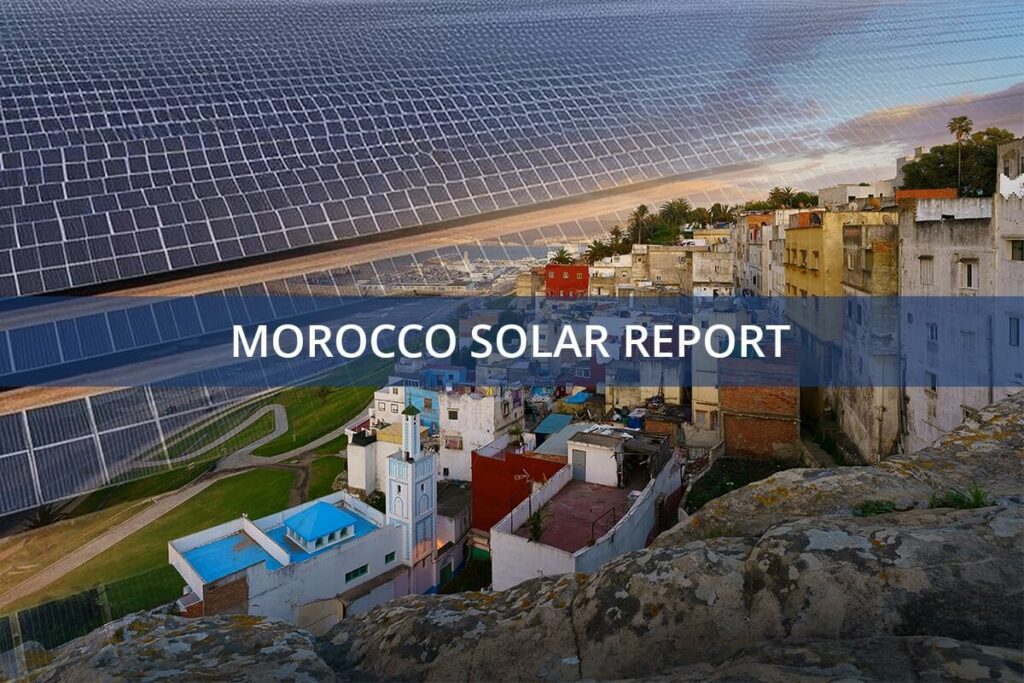
Morocco is once again cementing its position as a climate leader in Africa with the announcement of an ambitious new initiative: the “Solar Rooftop 500 Project.” This forward-thinking program aims to unlock the immense potential of the country’s sun-drenched rooftops, targeting the installation of 500 megawatt-peak (MWp) of decentralized solar capacity by the end of the decade.
This project marks a significant step in democratizing energy production, empowering citizens and businesses to become active participants in the nation’s green transition.
A New Chapter in Morocco solar rooftop Journey
While Morocco is globally recognized for its massive concentrated solar power plants, like the Noor Ouarzazate complex, the Solar Rooftop 500 Project shifts the focus from utility-scale generation to distributed, on-site power. The core idea is to leverage the vast, unused surface area on residential, commercial, and industrial buildings across the country.
By promoting the installation of photovoltaic (PV) systems on rooftops, the initiative aims to:
- Decentralize Power Generation: Produce electricity closer to where it is consumed, reducing the load on the national grid.
- Promote Self-Consumption: Allow homeowners and businesses to generate their own clean electricity, leading to significant savings on energy bills.
- Increase Grid Resilience: A distributed network of small-scale power producers can enhance the stability and reliability of the overall energy supply.
Aligning with National Energy Goals
The Solar Rooftop 500 Project is a crucial component of Morocco’s broader National Energy Strategy. The country has a long-standing goal of increasing the share of renewable sources in its electricity mix to over 52% by 2030. While large-scale wind and solar farms are the primary drivers toward this target, distributed generation is essential for a comprehensive and resilient energy ecosystem.
This program complements the large-scale projects by tapping into urban and industrial potential, ensuring that the benefits of the renewable energy transition are felt directly by the populace. It represents a strategic pivot towards a more inclusive energy model where consumers are also producers—or “prosumers.”
The Multiple Benefits of Rooftop Solar
The impact of successfully implementing this project extends far beyond just hitting a capacity target. The benefits are multifaceted and touch on economic, environmental, and social aspects.
For property owners, the most immediate advantage is a reduction in electricity costs. In a world of volatile energy prices, the ability to generate one’s own power provides a valuable hedge and long-term financial predictability. For businesses, this translates to lower operational costs and a stronger competitive edge.
From an environmental standpoint, each rooftop system contributes directly to reducing Morocco’s carbon footprint. By generating clean energy on-site, the project will help decrease reliance on fossil fuels for power generation, contributing to cleaner air and a healthier planet.
Furthermore, the initiative is expected to stimulate economic activity by creating jobs in the solar installation, maintenance, and manufacturing sectors, fostering a local green economy.
The Road to 500 MWp
Achieving this ambitious goal will require a concerted effort involving clear regulatory frameworks, attractive financing solutions, and streamlined administrative processes. The government will likely play a key role in creating an enabling environment through incentives, net-metering policies (allowing system owners to sell excess energy to the grid), and public awareness campaigns.
The Solar Rooftop 500 Project is more than just an energy policy; it’s an invitation to every Moroccan citizen and business to take part in building a sustainable and energy-independent future. As panels begin to populate rooftops from Tangier to Dakhla, Morocco is not just harnessing the power of the sun—it’s empowering its people.