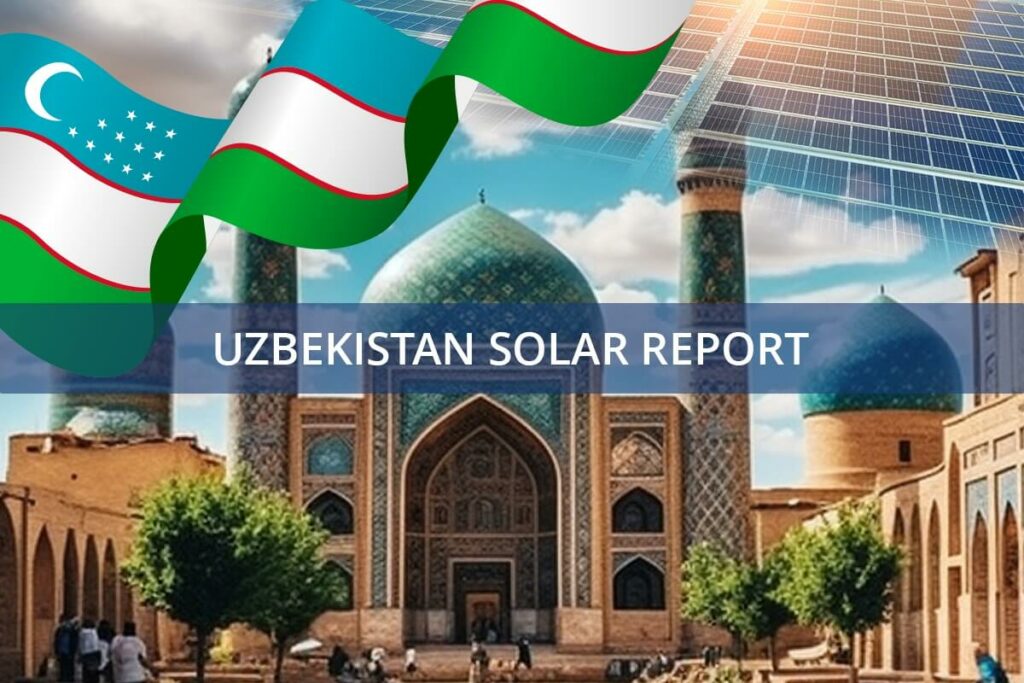
In a significant boost to its renewable energy ambitions, Uzbekistan has connected two new solar power plants to its national grid. The first phase of the Samarkand and Jizzakh facilities, located in eastern Uzbekistan, went live in March 2024, representing a combined capacity of 511 MW. The project was developed by the UAE-based clean energy firm Masdar.
Once fully commissioned, the dual installations are projected to generate 1.12 billion kilowatt-hours of electricity annually. This output is substantial enough to power approximately 240,000 local households and is expected to displace over 1 million tons of carbon dioxide emissions each year, marking a considerable step forward in the nation’s decarbonization efforts.
The construction was managed by International Cooperation Co Ltd, a subsidiary of China’s Dongfang Electric Corporation. Key technology for the project was supplied by TrinaTracker, which provided 11,248 of its advanced Vanguard 1P single-axis tracker units. These systems are designed to optimize solar panel orientation to maximize energy capture throughout the day.
This development is a cornerstone of Uzbekistan’s strategic pivot away from a reliance on thermal power, which has previously led to energy supply issues. The government’s proactive support for renewable energy sources is leveraging the country’s ample solar resources to establish it as a key player in Central Asia’s burgeoning solar PV market. The nation has set an ambitious target of reaching 8 GW of installed solar capacity by 2030.
The Masdar project is part of a larger wave of clean energy investment in the country, complementing other major agreements such as those signed with Saudi Arabia’s ACWA Power for 1.4 GW of solar and significant energy storage capacity. These initiatives collectively signal a rapid and transformative shift in Uzbekistan’s energy landscape.
Uzbekistan Powers Up With 511 MW Solar Power Plants
- Phase I of 511 MW Solar Project in Uzbekistan connected to g …
- Masdar connects 511 MW to Uzbek grid | Transformer Magazine
- 58291-001: Samarkand 2 Solar PV and BESS Project
- Masdar Powers Uzbekistan First Units Of 511-MW Solar Duo …
- Masdar starts connecting to the grid a 511 MW solar power project in …
- Samarkand (Masdar) solar farm – Global Energy Monitor
- Uzbekistan connects first phase of 511 MW solar project
- Masdar connects Uzbekistan solar projects to grid – The Asset