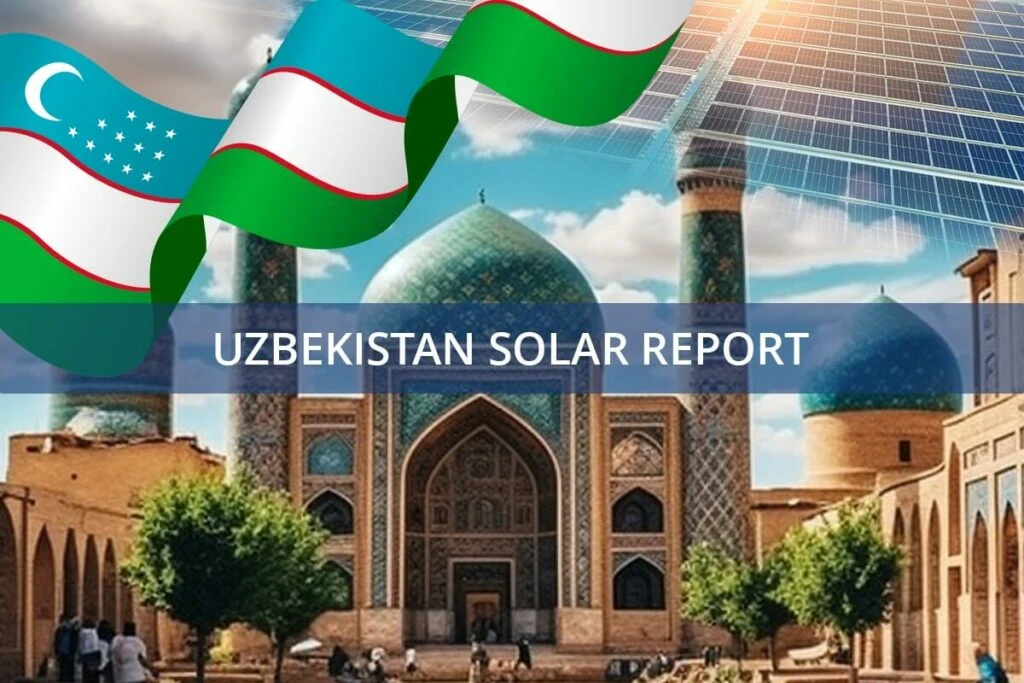
EBRD Leads $195.5M Solar Financing in Uzbekistan
Uzbekistan’s renewable energy ambitions have received a significant boost with the announcement of a major financing package led by the European Bank for Reconstruction and Development (EBRD). The institution is spearheading a $195.5 million deal aimed at developing solar power and critically important Battery Energy Storage Systems (BESS) within the country.
This substantial investment marks a pivotal moment for Uzbekistan’s energy sector, accelerating its transition away from fossil fuels and towards a sustainable, low-carbon future.
Unlocking Uzbekistan solar financing for a Sustainable Future
Beyond its immediate impact on Uzbekistan’s energy grid, this financing initiative is being viewed as a template for de-risking clean energy investments in emerging markets. Large-scale renewable projects in developing economies can often face hurdles in attracting private capital due to perceived financial and operational risks.
By leading this financing package, the EBRD provides a layer of security and confidence for other investors. This structured approach, backed by a major international financial institution, demonstrates a viable model for making clean energy projects bankable and attractive. It effectively addresses common investment barriers, paving the way for greater private sector participation in the global energy transition.
Ready to make big Profits?
The solar Industry is Booming
WE HELP NEWCOMERS to the solar industry start their own solar module production line. Customers can make BIG PROFITS by selling modules and finding investors, without wasting money and time on things they don't need!
The Strategic Role of Battery Storage
The inclusion of Battery Energy Storage Systems (BESS) in the financing is a crucial and forward-thinking component of the deal. Solar power is an intermittent energy source, generating electricity only when the sun is shining. BESS technology solves this challenge by storing excess solar energy generated during the day and releasing it during peak demand periods or after sunset.
This ensures a more reliable and stable power supply, enhancing grid stability and maximizing the value of the solar installations. By integrating energy storage from the outset, Uzbekistan is building a resilient and modern energy infrastructure capable of supporting a higher share of renewables.
This $195.5 million financing package is more than just an investment in solar panels; it’s a strategic move that strengthens Uzbekistan’s energy independence and sets a powerful precedent for how international development banks can unlock the vast clean energy potential of emerging economies worldwide.
Source: Climate Drift, “Follow the Money: February 2026”, April 2026.