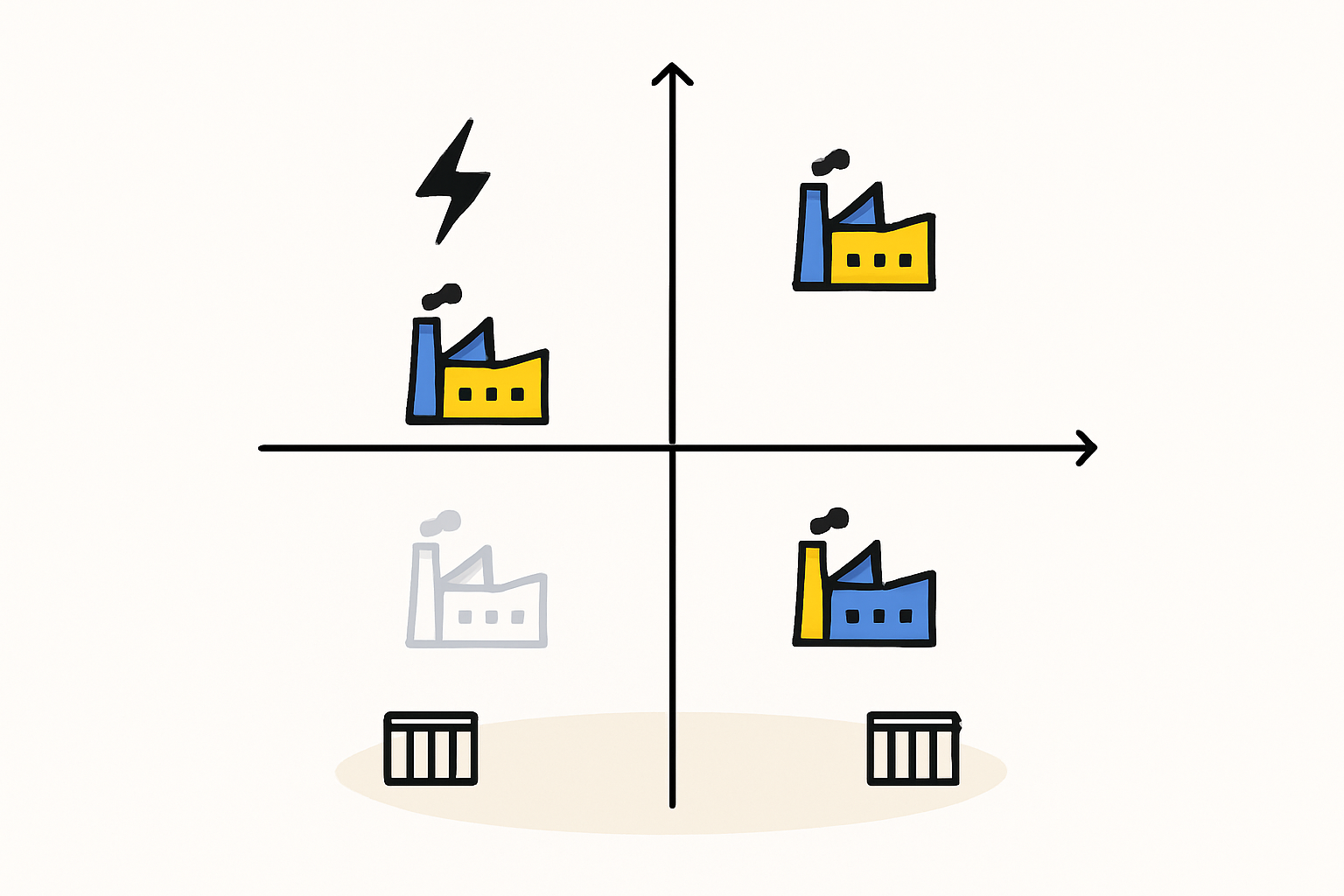
A new solar module factory often focuses on its most technologically complex component: the photovoltaic cell. This focus is understandable; the cell is the engine of the solar panel. However, recent research from Fraunhofer ISE highlights an often-overlooked reality: nearly 40% of a module’s material cost comes from other components, presenting a significant strategic opportunity.
For entrepreneurs establishing a solar module manufacturing plant, particularly in emerging markets, the decision of whether to source components locally or import them is a critical one. While importing everything might seem like the simplest path to ensuring quality, it often leads to higher shipping costs, longer lead times, and less control over the supply chain.
This guide provides a structured framework for identifying, qualifying, and auditing local suppliers for non-cell components. The goal is to balance the significant cost and logistical advantages of local sourcing with the non-negotiable requirement for high-quality, reliable materials.
The Strategic Importance of Non-Cell Components
The financial and operational impact of sourcing non-cell components is substantial. A modern solar module’s bill of materials (BOM) is a diverse list, with items like aluminum frames, glass, and junction boxes representing a large portion of the final cost.
According to a 2022 report from the IEA PVPS, localizing the supply chain for bulky items like frames and glass can achieve two primary business goals:
- Reduce shipping costs by 15-25%.
- Decrease lead times by up to four weeks.
These figures translate to a significant competitive advantage. However, the report also warns that these benefits come with substantial quality control risks if the sourcing process isn’t managed with precision. The goal isn’t simply to find a local supplier, but to find the right local partner—one who can consistently meet stringent technical specifications.
A Framework for Qualifying Local Suppliers
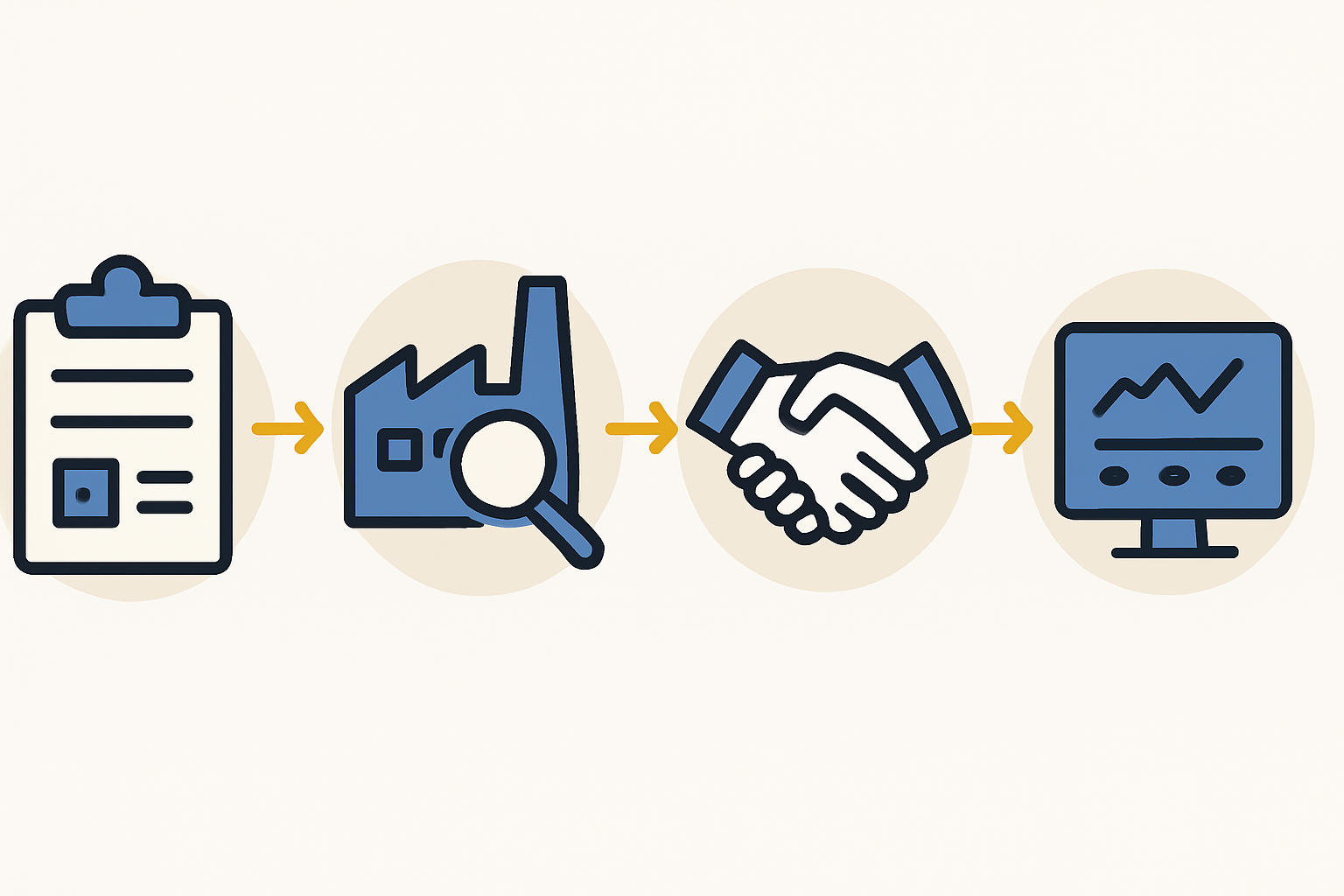
A disciplined, multi-stage approach is essential to mitigate risk and build a resilient local supply chain. This process moves from broad identification to detailed technical verification.
Step 1: Initial Identification and Vetting
The first phase involves creating a list of potential suppliers. This can be done through various channels, including local industry associations, government trade directories, and business networks. Once a preliminary list is compiled, an initial vetting process should begin, focusing on questions like:
- Does the company hold any relevant certifications (e.g., ISO 9001)?
- What is their current production capacity?
- Can they provide references from other industrial clients?
- Do they have prior experience manufacturing components for a related industry?
This initial screening helps filter out companies that are clearly unsuitable before you invest time in more detailed evaluations.
Step 2: The On-Site Technical Audit
A site visit and technical audit are indispensable. This is where a supplier’s theoretical capabilities are measured against their real-world operations. The audit should be conducted by a technically competent team and focus on the specifics of each component.
Aluminum Frames
The frame provides structural integrity to the module, protecting it from mechanical stress and environmental factors for over 25 years. The audit should verify the supplier’s ability to consistently meet specifications for:
- Material Alloy: The correct aluminum alloy (e.g., 6063-T5) is crucial for strength and corrosion resistance. Using an incorrect alloy is one of the most common reasons for failure during initial qualification, based on J.v.G. project data.
- Dimensional Accuracy: Precise dimensions are essential for automated assembly lines. Check tolerances and corner key assembly.
- Anodization Quality: The thickness and uniformity of the anodized layer protect against weathering and corrosion.

Junction Boxes
The junction box is the electrical heart of the module, housing the bypass diodes and connecting the panel to the rest of the system. Key qualification criteria include:
- Diode Specifications: Diodes must have the correct rating to prevent overheating and failure.
- IP Rating: The Ingress Protection rating (e.g., IP67 or IP68) indicates the level of protection against dust and water.
- Cable and Connector Quality: The materials must be UV-resistant and capable of handling the specified voltage and current.
Step 3: Sample Testing and Validation
Following a successful audit, the next step is procuring samples for in-house or third-party laboratory testing. A supplier’s internal quality reports should not be taken at face value. Independent verification is a cornerstone of any robust quality assurance program. Samples should be subjected to tests that mimic the real-world stresses the components will face, including material composition analysis, mechanical load tests, and climate chamber testing.
Building a Supplier Audit Checklist
A formal checklist ensures that every audit is thorough and consistent. It should serve as a documented record of the supplier’s capabilities. Key areas to cover include:
- Process Control: Are there documented Standard Operating Procedures (SOPs) for all critical manufacturing steps? Is there evidence that these procedures are followed consistently?
- Internal Quality Systems: What checks are performed during and after production? How are non-conforming parts identified, segregated, and handled?
- Material Traceability: Can the supplier provide documentation tracing their raw materials (e.g., aluminum billets, plastic resins) back to their source?
- Equipment Maintenance: Is there a formal schedule for equipment calibration and maintenance to ensure consistent output?
Common Pitfalls and How to Avoid Them
Experience setting up new solar factories reveals several recurring challenges. Being aware of these pitfalls can help new entrants avoid costly mistakes.
- Pitfall 1: Focusing Solely on Price. The lowest unit price is attractive, but it can hide the high future costs of warranty claims, product recalls, and reputational damage from low-quality components.
- Pitfall 2: Providing Inadequate Technical Specifications. A supplier can only produce what is requested. It is essential to provide a highly detailed specification sheet for each component before asking for a quote.
- Pitfall 3: Ignoring the Supplier’s Supply Chain. A supplier is only as reliable as their own raw material providers. Inquiring about their supply chain is a critical part of the risk assessment.
Internal data from J.v.G. turnkey projects shows that in over 60% of new factory setups in emerging markets, initial supplier qualification failures are related to non-compliance with material specifications or inconsistent production processes, not catastrophic equipment failure. This underscores the importance of a meticulous, process-oriented qualification.
Frequently Asked Questions (FAQ)
What is the most realistic cost saving from sourcing components locally?
Based on IEA PVPS data, a 15-25% reduction in shipping costs for bulky items is a realistic target. Additionally, reduced inventory holding costs and potential import tariff savings can further improve the business case.
Which component is best to start with for local sourcing?
Bulky, heavy, or fragile components like aluminum frames, packaging materials, and potentially solar glass offer the most immediate logistical and cost benefits. These items are also typically less technologically complex than components like junction boxes or backsheets.
Is an ISO 9001 certification sufficient to qualify a supplier?
An ISO 9001 certification is a good indicator that the supplier has a structured quality management system. However, it’s no substitute for a product-specific technical audit. The audit must still verify that their processes can meet the unique technical requirements of solar module components.
How long should the supplier qualification process take?
For a single component, a thorough process—from identification and auditing to sample procurement and testing—typically takes between two and four months. This investment of time pays dividends in long-term operational stability.
Conclusion and Next Steps
Developing a local supply chain is a strategic move that can give a new solar module manufacturing venture a durable competitive advantage. It shifts a portion of the operational cost base from volatile international shipping and currency markets to a more stable, local economic environment.
But these advantages are only realized through a disciplined, technically informed qualification and auditing process. By looking beyond price and focusing on process consistency, material quality, and long-term partnership, a factory can build a resilient supply chain that supports its growth for years to come.
This structured approach is a fundamental part of the comprehensive planning required to launch a successful manufacturing operation. For those looking to deepen their understanding of the entire factory setup process, educational resources from pvknowhow.com can provide a structured roadmap.