
In the world of solar technology, efficiency records make for powerful headlines. The 26.81% efficiency record for a silicon solar cell, achieved with Interdigitated Back Contact (IBC) technology, naturally captures the attention of any forward-thinking investor. It suggests a superior product. For an entrepreneur considering entry into solar manufacturing, however, the critical question isn’t just “how efficient is the technology?” but “is it viable to manufacture at scale and cost-effectively?”
While IBC technology represents the pinnacle of laboratory performance, its journey to the factory floor reveals significant challenges. Its market share remains below 5%, overshadowed by technologies like PERC and TOPCon. This discrepancy between peak efficiency and market adoption is no accident; it’s a direct result of a complex, costly manufacturing process that poses substantial risks for new entrants. This article offers a business-focused analysis of these challenges to help investors understand the true cost behind the record-breaking efficiency.
Understanding Interdigitated Back Contact (IBC) Technology
At its core, the design of an IBC cell is an elegant solution to a fundamental problem in solar energy conversion. Conventional solar cells have metal contacts—known as busbars and fingers—on their front surface to collect electrical current. While necessary, these contacts cast a small shadow, preventing a fraction of sunlight from reaching the active silicon layer and reducing efficiency.
IBC technology relocates all these electrical contacts to the cell’s rear. This “interdigitated” pattern of positive and negative contacts on the back surface frees the front from shading, allowing it to absorb the maximum amount of sunlight.
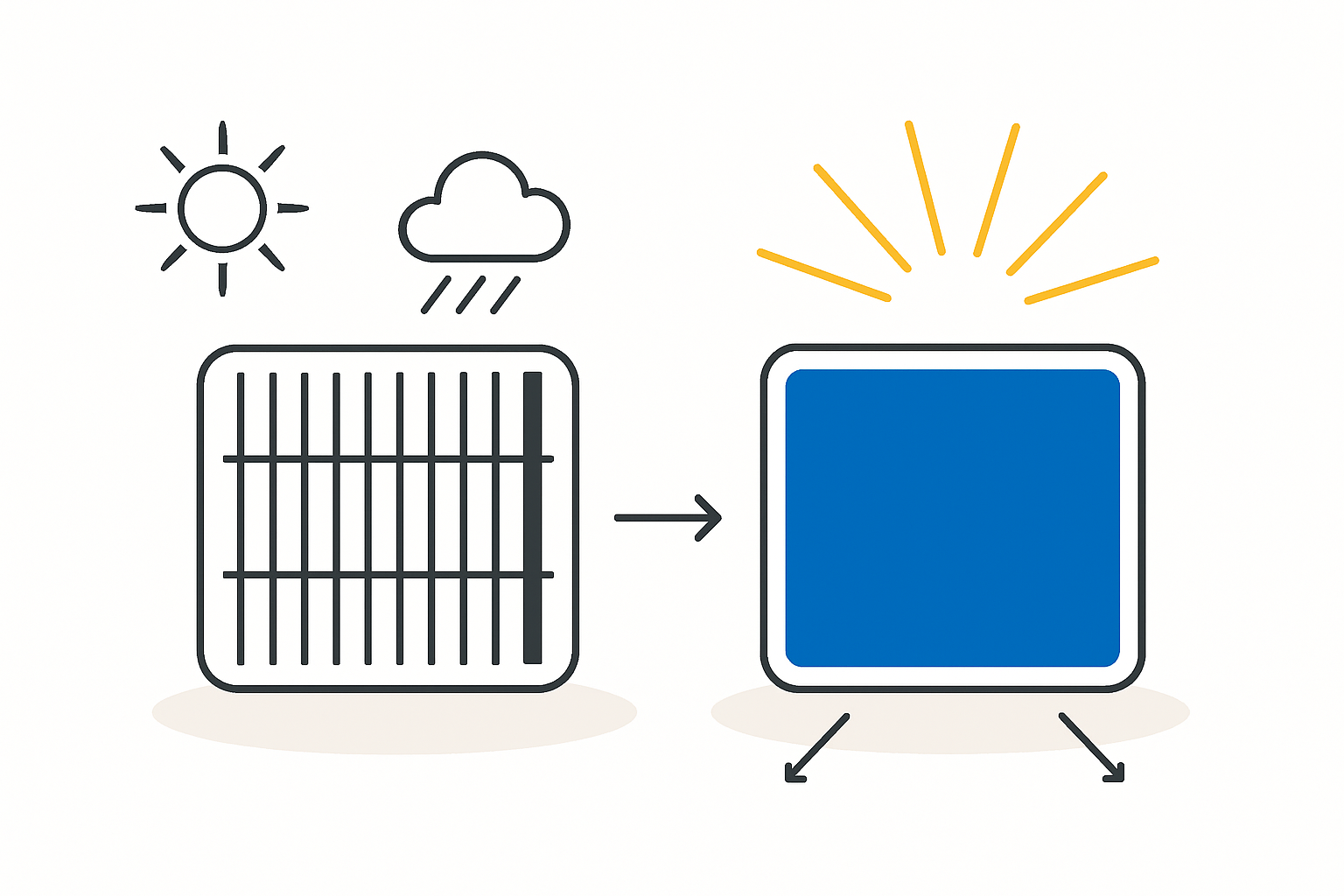
This design offers two primary advantages:
- Maximum Efficiency: By eliminating front-side shading, more photons can be converted into electrons, leading to the highest conversion efficiencies recorded for silicon cells.
- Superior Aesthetics: The uniform, all-black appearance of IBC cells is highly valued in premium residential and architectural applications where visual appeal is a key selling point.
On paper, these benefits seem compelling. Achieving this elegant design, however, requires a manufacturing process that is orders of magnitude more complex.
The Manufacturing Reality: A Tale of Cost and Complexity
The primary obstacle to widespread IBC adoption lies in its production process. Experience from J.v.G. turnkey projects shows that transitioning from a standard production line to one capable of manufacturing IBC cells is not a simple upgrade; it requires a fundamental shift in equipment, process control, and technical expertise.
The Challenge of Process Complexity
Compared to mainstream technologies like PERC, the manufacturing sequence for IBC is significantly longer and more intricate. It demands multiple high-precision steps that are not required for conventional cells.
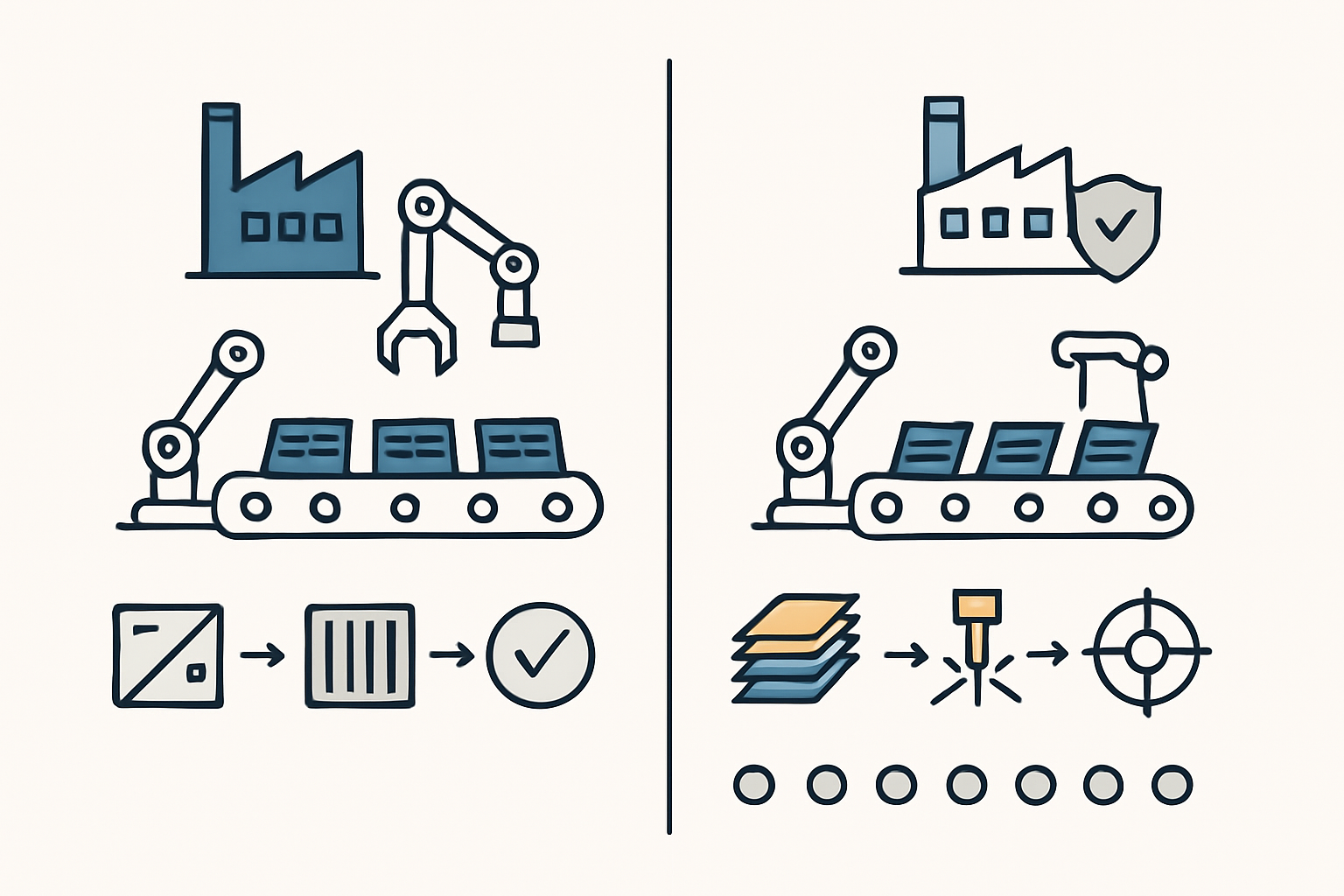
Key complexities include:
- High-Precision Patterning: Creating the fine, interlocking pattern of contacts on the rear of the cell requires advanced and costly techniques like photolithography or laser processing. These methods demand extremely tight tolerances.
- Multi-Step Masking and Deposition: The process involves numerous stages of applying and removing masking layers to define the different regions on the cell’s back side. Each step adds time, cost, and a potential point of failure.
- Alignment Accuracy: The front and back surfaces of the cell must be perfectly aligned throughout the process. Any slight misalignment can create electrical shorts, rendering the entire cell useless.
This intricate dance of process steps stands in stark contrast to the more linear and robust nature of PERC or TOPCon solar module manufacturing.
The Impact on Investment and Operational Costs
For an investor, this complexity translates directly into higher costs, affecting both the initial investment (CAPEX) and ongoing operational expenses (OPEX).
- Higher CAPEX: The specialized equipment required for precision lithography, laser ablation, and complex metallization is significantly more expensive than standard production machinery.
- Higher OPEX: The longer process sequence means lower throughput per machine. Furthermore, the sensitivity of the process can lead to lower production yields, especially during the ramp-up phase. Every failed cell represents a loss of expensive, highly processed silicon.
Production Yield and Reliability Risks
Yield is a critical metric in any manufacturing business, and for a new factory, establishing a high, stable production yield is paramount to profitability. The complexity of IBC manufacturing makes achieving this a considerable challenge. A small deviation in a single step can have a cascading effect, leading to a high scrap rate. This risk is particularly acute for teams without deep, pre-existing experience in advanced semiconductor processing.
Market Context: Why IBC Remains a Niche Technology
The technical challenges and high costs are clearly reflected in market data. Despite being commercially available for years and championed by specialized companies like SunPower and Maxeon, IBC technology has not achieved mainstream adoption.
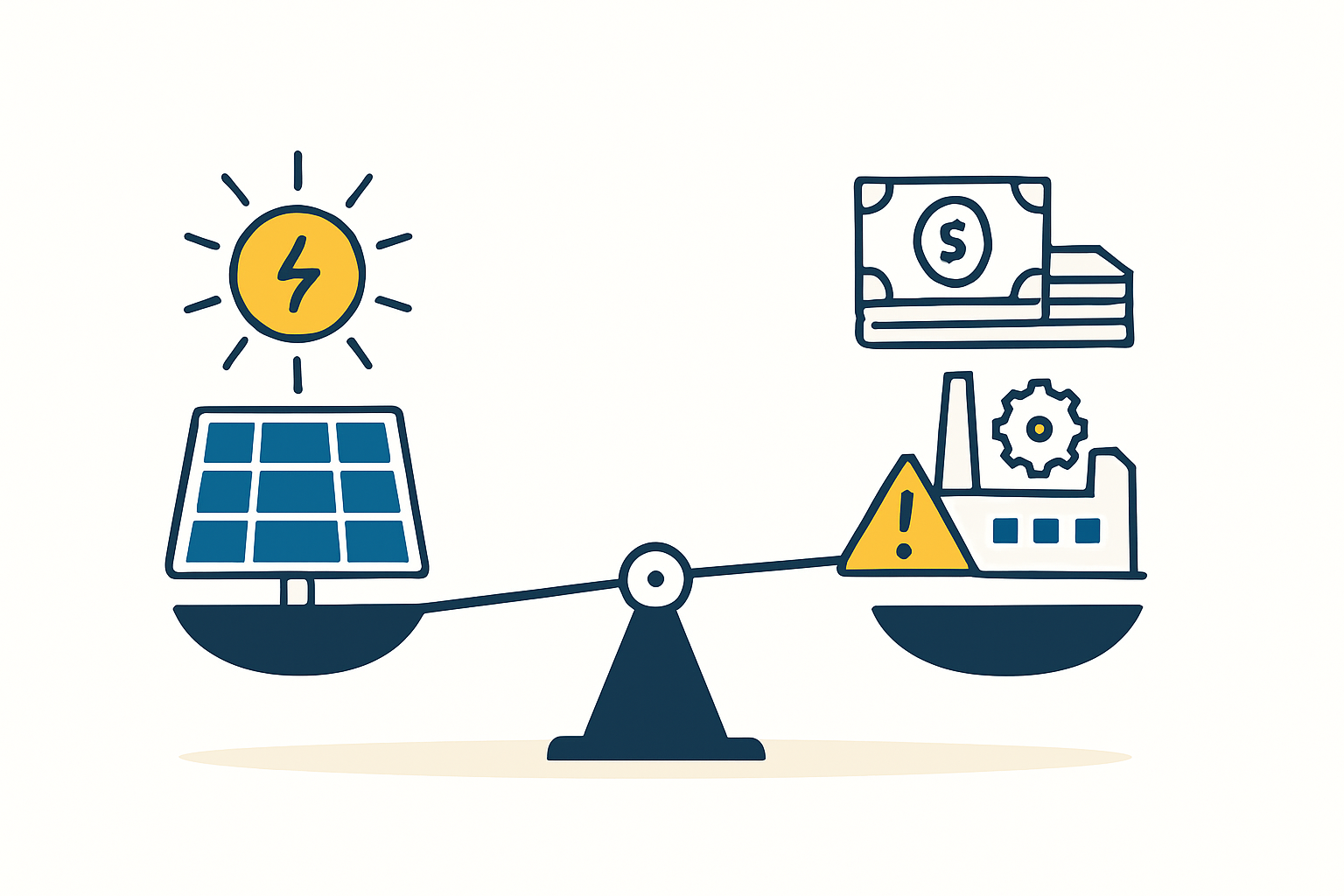
The industry has largely gravitated toward technologies like TOPCon, which offer a significant efficiency boost over older PERC technology without IBC’s radical leap in manufacturing complexity and cost. For the majority of the market, TOPCon represents a more pragmatic and cost-effective path to higher efficiency.
Strategic Considerations for an Investor
Choosing a cell technology is one of the most fundamental decisions when planning a solar factory. This analysis suggests that IBC is a high-risk, high-reward strategy best suited for specific circumstances.
An investment in IBC manufacturing may be justifiable for:
- Established Manufacturers: Companies with extensive technical expertise and R&D capabilities looking to enter a premium market segment.
- Niche Market Players: Ventures targeting high-end applications (e.g., luxury building-integrated PV) where customers are willing to pay a significant premium for aesthetics and the absolute highest efficiency.
For most new investors, particularly those in price-sensitive emerging markets, the financial and technical risks of IBC likely outweigh the benefits. The high capital investment and steep learning curve of its complex production process present formidable barriers to entry. Opting for established turnkey production lines focused on mainstream technologies often provides a more reliable path to profitability.
Frequently Asked Questions (FAQ) about IBC Technology
What is the main advantage of IBC solar cells?
The primary advantage is their high conversion efficiency, as the absence of front-side metal contacts eliminates shading loss. A secondary benefit is their superior, uniform aesthetic appearance.
Why are IBC cells so expensive to produce?
Their high cost stems from a complex manufacturing process that requires more steps, more expensive and specialized equipment (e.g., for photolithography or laser patterning), and extremely precise process control, which can lead to lower production yields compared to simpler technologies.
Is IBC technology compatible with bifacial modules?
Traditional IBC designs are not inherently bifacial, as the entire back surface is covered with metal contacts. While advanced concepts for bifacial IBC cells exist, they add even more complexity and cost to the manufacturing process, further limiting their commercial viability compared to naturally bifacial technologies like TOPCon and HJT.
Which companies are the main producers of IBC solar cells?
Historically, SunPower and its spin-off Maxeon have been the primary commercial producers of IBC cells. Other major manufacturers, like LONGi, have also invested in the technology, but it remains a small part of their overall production portfolio.
Is IBC a viable choice for a new solar factory in an emerging market?
For a new entrant in a developing or emerging market, IBC technology generally represents a very high-risk investment. The combination of high capital requirements, complex operational demands, and a steep learning curve makes it difficult to compete with more established, lower-cost manufacturing technologies like PERC or TOPCon.
Conclusion: Balancing Innovation with Pragmatism
Interdigitated Back Contact technology is a remarkable feat of solar engineering, demonstrating the upper limits of what is possible with silicon photovoltaics. For investors evaluating an entry into solar manufacturing, however, it serves as a clear example of how laboratory success doesn’t always translate to market dominance.
The decision to build a solar factory must be grounded in a pragmatic assessment of manufacturability, cost, and market demand. While the allure of producing the “world’s most efficient” module is strong, the reality is that profitability is driven by stable, high-yield production of a cost-competitive product. For the vast majority of new investors, today’s mainstream technologies offer a more balanced and attainable path toward building a successful and sustainable solar manufacturing business.