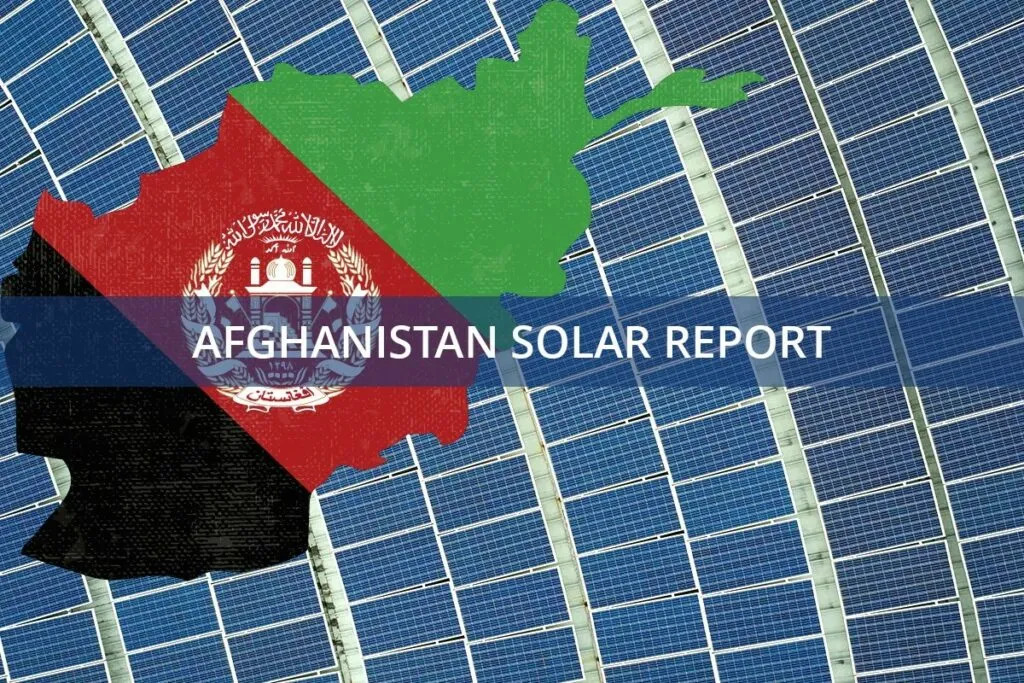
Afghanistan’s solar potential isn’t just significant; it’s remarkable. With an estimated capacity of over 220 GW (PVKnowHow Solar Report), the country has a genuine pathway to energy independence and significant economic growth.
If you’re an entrepreneur, an investor, or representing a company keen to enter this burgeoning industry, a firm grasp of the local landscape is essential. This guide is designed to walk you through what I believe is one of the most vital ingredients for success: forging strong, meaningful local partnerships. Consider these collaborations not just “nice-to-haves,” but essential for navigating the unique Afghan market and building a solar manufacturing venture in Afghanistan that’s built to last.
Let’s explore the Afghan solar scene together. We’ll examine why local partnerships in Afghanistan are so crucial, and then look at some practical, down-to-earth steps for finding, vetting, and structuring these vital connections. My hope is that this will help you lay a solid foundation for your solar manufacturing aspirations in Afghanistan.
Table of Contents
Understanding the Afghan Solar Landscape: Opportunities and Realities
The momentum behind solar energy in Afghanistan is clearly building. The government isn’t just dreaming big; it’s setting ambitious targets for 2,000 MW of solar power by 2032 under its Renewable Energy Roadmap (RER2032) and Renewable Energy Policy (RENP) (PVKnowHow Solar Report).
This commitment is already translating into real action, with significant investments flowing into Afghan solar projects. For example, a $25 million deal was recently signed for 8 MW solar projects with a domestic company (PVKnowHow News), and the private sector has kicked off a $6 million, 10 MW solar project in Laghman province. This is an exciting time for the Afghanistan solar market.
However, alongside this enthusiasm and vast solar potential in Afghanistan, the nation grapples with serious energy challenges. Only about 30% of the population has electricity access, and a staggering 75% of electricity is imported (PVKnowHow Solar Report), creating a pressing need for domestic generation.
Combined with grid instability, this paints a complex picture. This is precisely where local solar manufacturing in Afghanistan can make a profound difference:
- It can reduce reliance on imported solar components, strengthening the local Afghan economy.
- It promises new jobs and helps build valuable technical skills within the country, boosting the solar industry in Afghanistan.
- It has the potential to bring down the cost of solar installations, making clean energy more accessible to people across Afghanistan.
- It contributes to a more resilient and decentralized energy system—something particularly vital for the large off-grid population in Afghanistan.
The Afghan government, working through dedicated bodies like the Ministry of Energy and Water and Da Afghanistan Breshna Sherkat (DABS), is actively encouraging investment in Afghan solar. They’re offering attractive incentives like capital subsidies, grants, net-metering, and tax reductions for solar projects (PVKnowHow Solar Report). This creates an opportune moment for solar manufacturing ventures in Afghanistan to take root and flourish.
The Imperative of Local Partnerships: Why Go Local?
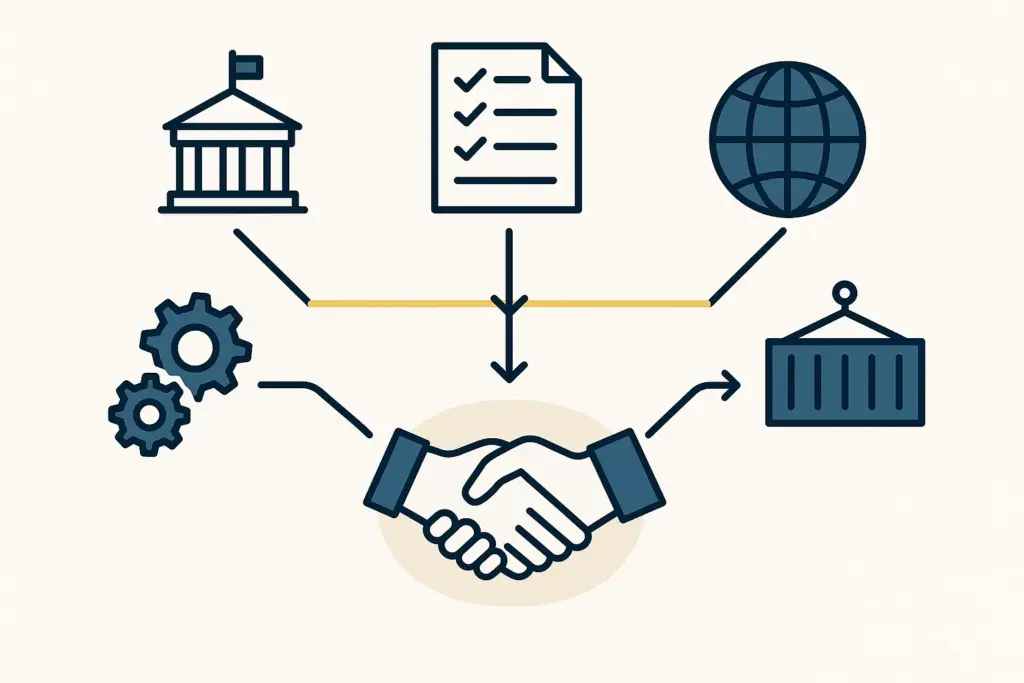
Stepping into any new market demands meticulous planning, but in a unique environment like Afghanistan, local partnerships move beyond being merely beneficial—they often become the bedrock of a successful solar manufacturing operation in Afghanistan. Let’s delve into why this local connection is so important for investing in Afghanistan’s solar sector:
- Navigating the Terrain: A trusted guide in an unfamiliar land is invaluable. Local Afghan partners offer a nuanced understanding of the domestic business culture, regulatory mazes, unwritten rules, and societal norms. This insight is critical for ensuring smooth operations and avoiding costly mistakes when setting up solar businesses in Afghanistan.
- Building Resilient Supply Chains: Finding reliable local suppliers for raw materials, components, or essential services from thousands of miles away is a tough challenge. A local partner in Afghanistan can streamline this process, assist with logistics, and connect you to vital local labor pools.
- Access to Networks and Knowledge: Established local businesses come with built-in networks. These connections can open doors, smooth out approval processes, and provide critical market intelligence that an outsider might take years to build for their Afghan solar venture.
- Risk Mitigation: In any complex operating environment, local partners are your eyes and ears on the ground in Afghanistan. They can help you anticipate, understand, and mitigate various risks—whether they’re security-related, political, or operational. Their involvement also lends significant credibility and stability to your solar manufacturing project.
- Shared Value and Sustainability: When you partner with local entities, the economic benefits of your solar manufacturing venture in Afghanistan are shared more broadly. This fosters goodwill, encourages local buy-in, and contributes to sustainable development, aligning perfectly with Afghanistan’s broader national goals.
- Meeting Potential Local Content Requirements: While not always formally stipulated, a clear preference for local involvement can influence project approvals and how your solar energy business in Afghanistan is perceived by the public.
Identifying Your Ideal Afghan Partner: A Practical Approach
Finding the right Afghan partner is a cornerstone of success in this endeavor. For solar manufacturing in Afghanistan, your ideal collaborators might come from a variety of sectors:
- Existing Local Manufacturers: Companies already in the industry, such as Etemad Sun Solar (noted as a solar panel manufacturer in Herat by PVKnowHow Solar Report), could be excellent candidates for joint ventures, technology transfer, or expansion projects for solar panel manufacturing in Afghanistan.
- Companies in Allied Industries: Businesses involved in electrical equipment, construction materials, metal fabrication, or logistics often possess transferable skills, existing infrastructure, and networks that could be highly beneficial to your solar venture in Afghanistan.
- Engineering, Procurement, and Construction (EPC) Companies: Local EPCs with a solid track record in the Afghan solar installation sector (like Zularistan) bring valuable project management experience and deep market knowledge.
- Distributors and Sales Networks: Once your high-quality solar products manufactured in Afghanistan are ready, partners with established distribution channels will be crucial for reaching your market effectively.
- Legal and Consulting Firms: These firms are essential for navigating the legal and regulatory landscape in Afghanistan and can often provide valuable introductions to potential business partners.
So, where do you begin looking for these potential partners in Afghanistan? While it can seem daunting, here are some avenues to explore:
- Government Channels: The Ministry of Energy and Water or national investment promotion agencies in Afghanistan may offer guidance or provide lists of reputable local companies.
- Industry Associations: Historically, organizations like the Afghan Renewable Energy Union (AREU) have been influential. It’s worth investigating current, active Afghan solar industry bodies.
- Business Networks and Chambers of Commerce: These can be excellent resources for identifying established local businesses with good standing in Afghanistan.
- International Development Agencies: Organizations like the Asian Development Bank (ADB) (Asian Development Bank (ADB)) or the World Bank often support projects in Afghanistan and may have valuable insights into credible local players in the Afghan energy sector.
- Professional Service Providers: Consider engaging international law firms or consultancies with on-the-ground experience in Afghanistan. Their local knowledge can be invaluable for finding business partners in Afghanistan.
As you start your search, keep these key criteria in mind for your initial partner selection for your Afghanistan solar project:
- A proven track record and solid, demonstrable performance in their field.
- Proven financial stability and a clear commitment to transparency.
- Relevant technical or business capabilities that genuinely complement your own solar manufacturing goals in Afghanistan.
- A strong local reputation and an unwavering commitment to ethical business practices.
- A shared vision for the project and a genuine commitment to its goals.
Due Diligence in Afghanistan: Vetting for Reliability and Trust
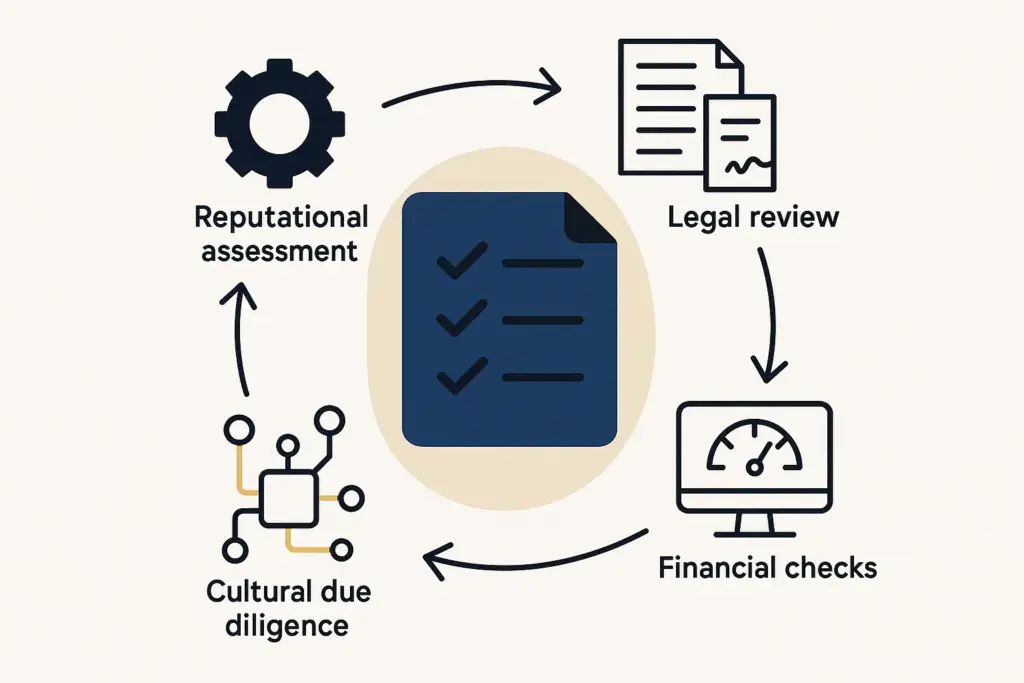
Once you’ve identified potential partners for your Afghan solar venture, the next crucial step is thorough due diligence. This isn’t the place to cut corners, especially in a market with unique challenges. Your vetting process should go beyond standard checks when evaluating partners in Afghanistan:
- Comprehensive Background Checks:
- Financial: Dig deep into their financial health, creditworthiness, and their genuine capacity to contribute financially to the solar partnership in Afghanistan.
- Legal: Verify their registration, licenses, and ensure they’re compliant with all local laws. It’s also wise to check for any past litigation or legal entanglements.
- Reputational: Seek out references, make discreet inquiries within local business circles, and gauge their standing in the Afghan community.
- Assessing Technical and Operational Capabilities: For a solar manufacturing partnership in Afghanistan, this is critical. You’ll need to evaluate their existing infrastructure (if any), their team’s technical expertise, the skills of their workforce, and their quality control processes. Understand their capacity to scale operations or adopt new technologies for solar production in Afghanistan.
- On-the-Ground Verification: There is no substitute for site visits. Plan to meet the management team face-to-face, inspect any facilities they have, and observe their operations firsthand. These personal meetings are invaluable for building relationships and gauging sincerity—something you can’t get from an email when selecting a partner in Afghanistan.
- Navigating Transparency and Compliance: Be aware of potential challenges related to corruption or bureaucratic hurdles in Afghanistan. It’s absolutely crucial to seek partners who are demonstrably committed to ethical business practices and international compliance standards. Engaging good legal counsel will ensure all your dealings are transparent and above board.
- Understanding Their Network: Take a close look at the strength and reliability of their local network in Afghanistan. This includes their suppliers, distributors, and even their government contacts. How robust are these relationships?
Structuring Winning Partnerships: Models and Agreements
The way you structure your partnership for solar manufacturing in Afghanistan is more than just paperwork; it will define its operational dynamics and legal foundation. Here are some common models you might consider, each with its own pros and cons:
- Joint Ventures (JVs): These are often a good fit for manufacturing in Afghanistan, where both parties contribute equity, resources, and expertise to a new, jointly owned entity. This model allows for shared risk and reward.
- Strategic Alliances: Less formal than JVs, strategic alliances can involve collaboration on specific projects, technology sharing, or joint market development efforts for the Afghan solar market without creating a new legal entity.
- Supplier/Manufacturing Agreements: In this straightforward model, one party contracts the other to manufacture solar components or assemble modules based on specific designs and quality standards.
- Memoranda of Understanding (MOUs): Think of these as a preliminary step to outline the intent to collaborate and key principles before a more formal, legally binding agreement is drafted for your Afghanistan solar partnership.
When it comes to the partnership agreement itself, especially for solar manufacturing in Afghanistan, ensure these key elements are clearly and unambiguously addressed:
- Clearly Defined Roles and Responsibilities: Be specific about each partner’s contributions, duties, and decision-making authority. Ambiguity is a recipe for future problems in your Afghan joint venture.
- Investment and Profit/Loss Sharing: Detail all capital contributions, ownership stakes, and how profits or losses will be distributed.
- Intellectual Property (IP) Protection: Address the ownership, usage rights, and robust protection of any technology, patents, or proprietary processes involved in your solar technology transfer to Afghanistan.
- Quality Control and Standards: Define the manufacturing standards, inspection protocols, and who is ultimately responsible for ensuring product quality for solar panels made in Afghanistan.
- Dispute Resolution Mechanisms: Outline a clear, agreed-upon process for resolving any disagreements that may arise, potentially including mediation or arbitration.
- Exit Strategy: It’s always wise to define the conditions and procedures for dissolving the partnership or for one partner to buy out the other, should that become necessary.
- Compliance with Local and International Laws: Ensure the agreement adheres to all Afghan legal requirements as well as any relevant international commercial laws for your business operations in Afghanistan.
Engaging experienced legal counsel with specific expertise in Afghan commercial law is crucial when you’re drafting and negotiating these partnership agreements. It’s an investment that can prevent costly issues later on.
Overcoming Challenges: Navigating Hurdles in Afghan Solar Partnerships
While the opportunities in Afghanistan’s solar sector are significant, it’s also important to be fully prepared for potential challenges when establishing solar manufacturing partnerships in Afghanistan:
- Security and Political Instability: The security situation remains a concern for anyone looking to operate a business in Afghanistan. It’s vital to conduct thorough risk assessments and implement appropriate, well-planned security measures. Your local partners can offer critical insights and invaluable support in navigating this complex aspect.
- Infrastructure Deficits: A limited and sometimes unreliable electricity supply can significantly impact solar manufacturing operations in Afghanistan, so planning for robust backup power solutions is a must. Transportation infrastructure can also present logistical challenges for both raw materials and finished goods.
- Bureaucracy and Regulatory Hurdles: Navigating permits, licenses, and customs processes in Afghanistan can be time-consuming and frustrating. A knowledgeable local Afghan partner can be an incredible asset in managing these bureaucratic steps.
- Workforce Development and Skills Transfer: While a labor force is available, finding individuals with specialized technical skills for solar manufacturing in Afghanistan might require dedicated effort. Be prepared to invest in comprehensive training programs and skills transfer initiatives—it’s an investment in your future success and the Afghan solar workforce.
- Access to Finance: Your local partners may face challenges in accessing the capital needed for their share of the investment in the Afghan solar project. It’s worth exploring various financing options, including potential support from development finance institutions.
A proactive approach, coupled with thorough planning and a strong, trustworthy local partner in Afghanistan, will be your best strategy for mitigating these challenges.

Case Studies & Examples: Learning from Experience
Looking at real-world examples can highlight the power of partnerships in Afghanistan’s growing solar sector. It’s always good to see theory put into practice:
- Zularistan and Turkey’s 77: The collaboration between local EPC Zularistan and Turkey’s 77 Insaat for developing 15MW solar projects in Kandahar is a fantastic example of successful international-local teamwork in Afghan solar project execution (PV-Tech).
- Government and Domestic Company Agreements: The Afghan government’s recent $25 million agreement with a domestic company for 8 MW solar projects (as reported by PVKnowHow News) clearly demonstrates a tangible commitment to fostering local enterprise in Afghanistan’s renewable energy space.
While these examples primarily focus on solar energy generation in Afghanistan rather than manufacturing, they underscore a fundamental principle: collaboration is essential to advancing Afghanistan’s solar ambitions. The lessons learned from such projects can offer valuable insights as you develop your own strategies for solar manufacturing partnerships in Afghanistan.
Resources and Support for Your Venture
Embarking on the journey to establish a solar manufacturing partnership in Afghanistan is a complex undertaking, but you don’t have to go it alone. Fortunately, various organizations and resources can offer valuable support and information for your Afghan solar business:
- Key Government Bodies:
- Ministry of Energy and Water (MEW): This is the primary government entity shaping energy policy and development in the country, and a key contact for Afghanistan energy policy.
- Da Afghanistan Breshna Sherkat (DABS): As the national power utility, DABS is involved in grid connection and power purchase agreements (PVKnowHow Solar Report) for solar projects in Afghanistan.
- International Organizations:
- Asian Development Bank (ADB): The ADB has a strong history of supporting renewable energy projects in Afghanistan and can be a source of information and potential financing (Asian Development Bank).
- World Bank Group: Often involved in development projects and offering policy advisory services in countries like Afghanistan.
- It’s also worth keeping an eye out for other international development agencies and NGOs working on energy access and economic development in the region.
- Local Business Advisory Services: Engaging local Afghan legal and business consultants with proven, on-the-ground experience in foreign investment and manufacturing can provide tailored, practical guidance that is invaluable.
- Specialized Technical and Business Planning Consultancies: Firms with global experience in setting up solar module production lines, such as J.v.G. Technology GmbH (you can find them via PVknowhow.com), can offer comprehensive end-to-end solutions—from initial business planning and financial modeling right through to turnkey production equipment and ongoing technical consulting for your solar manufacturing plant in Afghanistan.
Conclusion: Powering Afghanistan’s Future, Together
Developing a robust solar manufacturing sector in Afghanistan holds incredible promise for enhancing energy security, driving economic growth, and creating much-needed jobs. For international investors and entrepreneurs looking to be part of this transformation, local partnerships in Afghanistan aren’t just a strategic option; they are the cornerstone of a successful and sustainable venture. By carefully identifying, thoroughly vetting, and thoughtfully structuring collaborations with reliable Afghan entities, businesses can effectively navigate market complexities, mitigate risks, and make a meaningful, lasting contribution to the nation’s bright solar future in Afghanistan.
This journey toward establishing successful solar manufacturing in Afghanistan requires diligence, patience, and a long-term commitment. But with the right local Afghan partners by your side, you can help transform Afghanistan’s vast solar potential into tangible manufacturing success, powering sustainable progress for years to come. As you explore these exciting opportunities within the business environment for solar manufacturing in Afghanistan, always remember that strong, transparent partnerships will be your most valuable asset.
Want to learn more or need expert help? Visit our free e-course or explore our services. Or, if you’re ready to dive deeper, our Premium Business Plan E-Course offers personalized guidance to get your venture off the ground. Let’s make your solar journey smooth and successful.