Dominica Solar Factory: Mastering the Raw Material Supply Chain
Imagine the scene: your new, state-of-the-art solar module factory in Dominica is fully commissioned. The machines are calibrated, the staff is trained, and the first major order is waiting.
But there’s one problem: the container carrying essential solar cells is delayed at a transshipment port, halting production before it even begins. While this scenario is a costly setback for any manufacturer, for a factory on an island nation, it’s a fundamental business risk that demands meticulous planning.
Setting up a solar module factory involves more than just acquiring the right machinery; it requires establishing a resilient and predictable supply chain for raw materials. This challenge is especially acute in a location like Dominica, where every component—from photovoltaic cells to aluminum frames—must be imported. This guide covers the critical aspects of port logistics, supplier sourcing, and risk mitigation for entrepreneurs planning to enter the solar manufacturing sector in the Caribbean.
The Core Challenge: Sourcing for an Island Nation
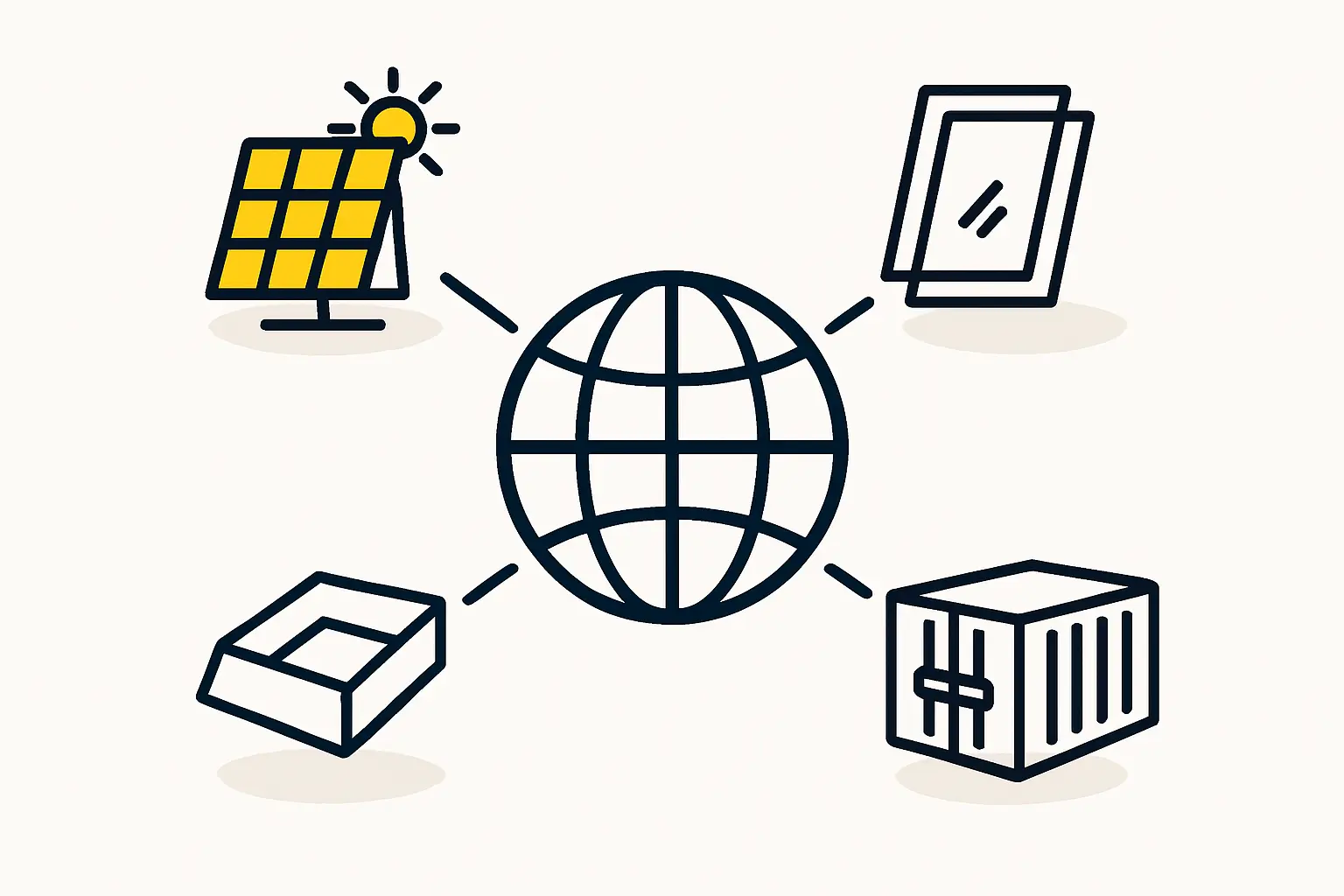
Unlike a factory in a large industrial region with access to land-based freight and multiple ports, an operation in Dominica is entirely dependent on maritime shipping. The primary components of a standard solar module, outlined in the bill of materials (BOM), are sourced globally:
- Photovoltaic (PV) Cells: The heart of the module, primarily manufactured in Asia.
- Solar Glass: Specially tempered, low-iron glass, often sourced from major industrial economies.
- Aluminum Frames: Extruded aluminum, which may be sourced from regional suppliers in the Americas or globally.
- Encapsulants (EVA) and Backsheets: Polymers that protect the cells, typically sourced from specialized chemical manufacturers.
Each of these materials has its own supply chain, lead time, and logistical considerations. For a business in Dominica, the challenge is to coordinate these separate streams into a seamless flow, shielding the production schedule from the inherent unpredictability of global shipping.
Analyzing Dominica’s Logistical Infrastructure
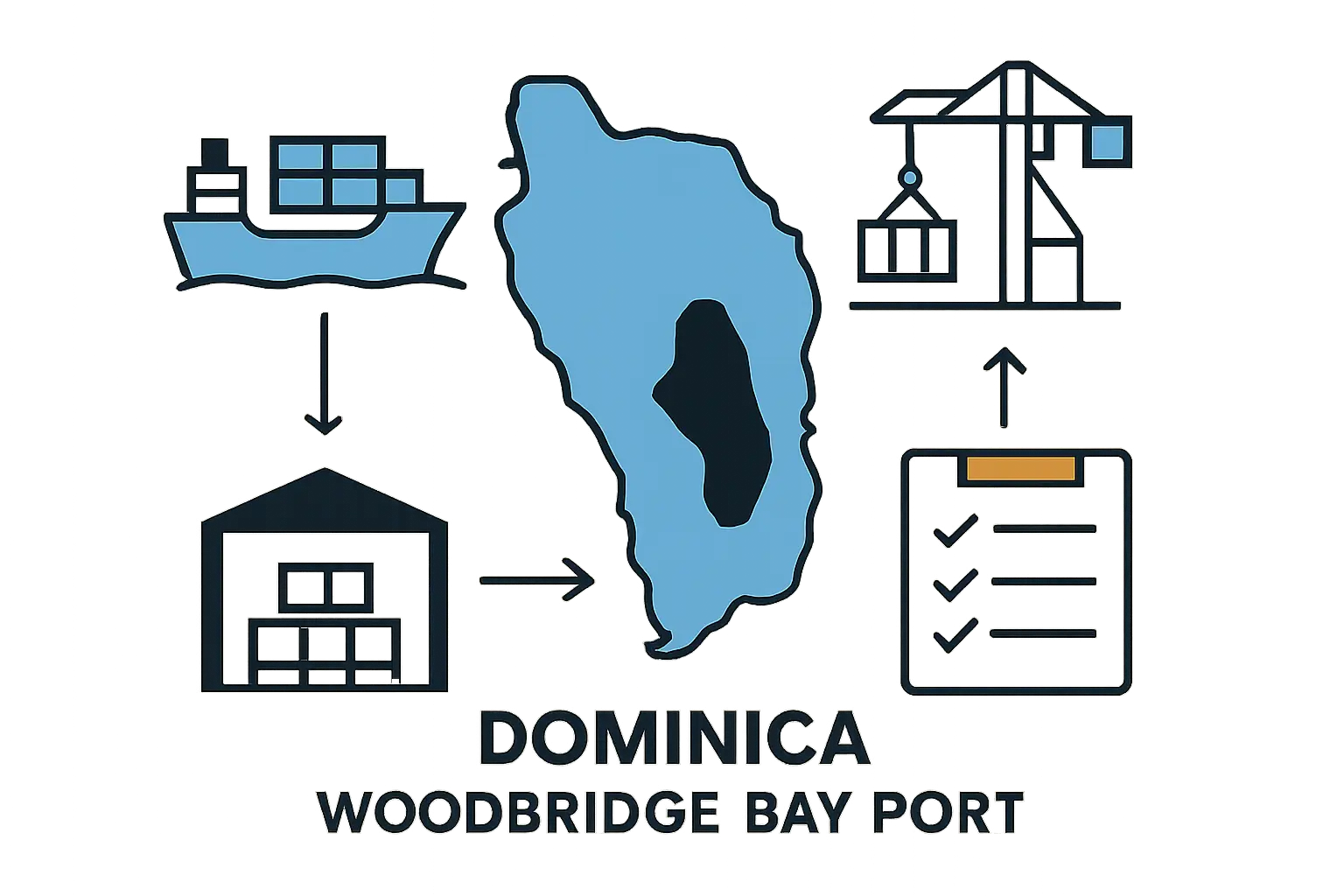
A manufacturing venture’s success hinges on efficiently importing raw materials and exporting finished goods. In Dominica, the primary commercial port is the Woodbridge Bay Port in Roseau. While capable of handling containerized cargo, entrepreneurs must understand its specific operational realities.
Port Capabilities and Limitations
The port in Roseau is the main artery for Dominica’s trade. It is equipped to handle 20-foot and 40-foot containers, which are standard for shipping solar materials. However, compared to major international hubs like Panama or Miami, its capacity, storage space, and frequency of vessel calls are more limited.
Key considerations include:
-
Vessel Schedules: Major shipping lines may not call directly at Dominica. Instead, containers are often offloaded at larger regional ports (transshipment hubs) and then transferred to smaller feeder vessels for the final leg of the journey. This adds time, cost, and complexity.
Ready to make big Profits?
The solar Industry is Booming
WE HELP NEWCOMERS to the solar industry start their own solar module production line. Customers can make BIG PROFITS by selling modules and finding investors, without wasting money and time on things they don't need!
-
Customs Clearance: While the government of Dominica supports new industries, the customs clearance process requires precise documentation. Minor errors in paperwork can lead to significant delays. Engaging an experienced local customs broker isn’t just advisable—it’s essential.
-
Seasonal Disruptions: The Caribbean hurricane season (typically June to November) poses a serious risk to shipping schedules and port operations. A single major storm in the region can cause delays that ripple through the supply chain for weeks.
Sourcing Key Raw Materials: Global Reach, Local Realities
A strategic sourcing plan must balance cost, quality, and logistical risk. For a factory in Dominica, this means a mix of global and potentially regional suppliers.
Sourcing Solar Cells and Encapsulants
The global market for high-efficiency solar cells is dominated by manufacturers in China, Taiwan, and Southeast Asia. This makes sourcing from Asia a practical necessity for cost-competitiveness.
-
Logistical Path: A typical shipment of solar cells from Shanghai to Roseau involves a multi-week ocean voyage. The container will likely travel across the Pacific, pass through the Panama Canal, and stop at a transshipment hub like Kingston, Jamaica, or Caucedo, Dominican Republic, before being loaded onto a smaller vessel bound for Dominica.
-
Lead Times: Total lead times, from placing an order to having materials on the factory floor, can range from 8 to 12 weeks. This window includes production, shipping, and customs clearance.
Sourcing Solar Glass and Aluminum Frames
While Asia is also a major supplier of solar glass and aluminum, the weight and bulk of these materials make shipping costs a significant factor. This opens the door to nearshoring—sourcing from suppliers in North, Central, or South America.
-
Regional Advantages: Sourcing frames from Mexico or glass from the United States can dramatically shorten shipping times to two to four weeks. This reduces the amount of capital tied up in inventory-in-transit and increases supply chain agility.
-
The Trade-Off: The per-unit cost from regional suppliers may be higher than from Asian competitors. A thorough cost analysis is required, weighing the higher material price against lower shipping costs and reduced lead time. Experience from J.v.G. turnkey projects shows that many new manufacturers find a hybrid approach—sourcing cells from Asia and bulkier components more regionally—offers the best balance.
Building a Resilient Supply Chain Strategy
Hope is not a strategy. A successful solar manufacturer in Dominica must design a supply chain that anticipates and absorbs disruptions.
The Critical Role of Buffer Stock
For an island-based factory, a “just-in-time” inventory model is exceptionally high-risk. A single shipping delay can halt the entire operation. The solution is to maintain a buffer stock of critical raw materials.
Holding enough inventory on-site to cover four to six weeks of full production is a common and effective strategy. This buffer provides a cushion to absorb unforeseen delays in shipping or customs without interrupting manufacturing.
While this increases initial working capital requirements, it’s a crucial investment in operational stability. A well-designed factory layout and design must incorporate adequate, climate-controlled warehouse space for this purpose.
Supplier Diversification and Vetting
Relying on a single supplier for any critical component creates a significant vulnerability. If that supplier experiences production issues, quality problems, or financial difficulty, your factory’s operations are at risk.
Qualifying at least two suppliers for each key material is a wise precaution. When vetting potential partners, consider:
- Product Quality and Consistency: Do their materials meet the standards required for final solar module certification?
- Financial Stability: Is the supplier a well-established company with a strong track record?
- Logistical Experience: Have they shipped to the Caribbean before? Do they understand the documentation requirements?

A Practical Timeline: From Order to Factory Floor
For a tangible example, consider the timeline for one 40-foot container of solar cells from a supplier in China:
- Week 1: Purchase order is placed and confirmed.
- Week 2: Supplier completes production and quality checks.
- Week 3: Container is booked and transported to the port of loading (e.g., Shanghai).
- Weeks 4–8: Ocean freight transit to a Caribbean transshipment hub.
- Week 9: Container is transferred to a feeder vessel.
- Week 10: Container arrives at Woodbridge Bay Port, Roseau.
- Week 11: Customs clearance and inland transport.
- Week 12: Materials are received at the factory warehouse.
This 12-week cycle illustrates why a buffer stock is essential. The next shipment must be ordered long before the current inventory is depleted. This planning is a core component of managing the operational startup of a new turnkey solar manufacturing line.
Frequently Asked Questions (FAQ)
How much working capital is needed for the initial raw material inventory?
This depends on the factory’s capacity, but a new 50 MW factory should budget for an initial inventory investment sufficient to cover at least one month of production. This ensures operations can begin smoothly while the second and third waves of materials are in transit.
What is the most common point of failure in the supply chain for a new factory?
Aside from shipping delays, the most common failure point is incorrect or incomplete import documentation. This is an entirely avoidable problem that underscores the need for a diligent logistics manager and a professional customs broker.
Is it possible to source all materials from a single integrated supplier?
While some large companies offer a suite of materials, it’s generally not advisable. It creates immense supplier dependency and may not offer the best price or quality for each individual component. Diversification is a more robust long-term strategy.
How does hurricane season concretely affect planning?
During peak season, manufacturers should increase their buffer stock to six to eight weeks of production. It’s also wise to schedule major shipments to arrive before or after the most active months (August–October) if possible. Shipping insurance is, of course, non-negotiable.
Conclusion: Your Foundation for Manufacturing Success
For an entrepreneur establishing a solar factory in Dominica, the challenges of logistics are not secondary considerations—they are central to the business model. The allure of manufacturing in a growing Caribbean market is strong, but success is built on a foundation of operational excellence.
By carefully analyzing port infrastructure, strategically sourcing materials, and implementing a resilient supply chain strategy with adequate buffer stocks, a new enterprise can overcome the inherent challenges of its location. Proactive and meticulous logistical planning transforms a promising venture into a durable and profitable manufacturing operation. Understanding these dynamics is a critical first step in developing a realistic and bankable solar factory business plan.