A common challenge for foreign managers in the Democratic People’s Republic of Korea (DPRK) is implementing standard human resource practices. Attempts to introduce individual performance reviews or merit-based bonuses often cause confusion and yield little effect.
This stems not from a lack of ambition in the local workforce, but from a fundamental misunderstanding of a labor system that operates on principles entirely different from those of market-based economies.
Success in this unique environment depends not on adapting Western management techniques, but on understanding and working within the state-controlled framework. This guide outlines the structure of the DPRK labor system and provides practical strategies for effective workforce management and training, drawn from operational experience in centrally planned economies.
Understanding the State-Controlled Framework
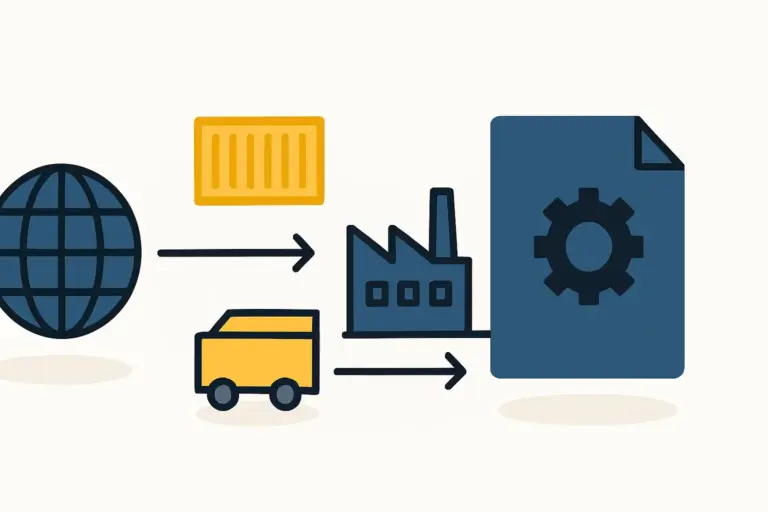
Unlike in most countries, enterprises in the DPRK do not hire individuals directly from an open labor market. Instead, foreign-invested enterprises contract for labor through a designated state-run agency. This critical distinction shapes every aspect of workforce management.
The foreign company pays a monthly lump sum per worker directly to the state agency. This fee covers the worker’s salary, social benefits, insurance, and state revenue. The agency then disburses a portion of this payment to the worker. The foreign manager, therefore, has no direct control over employee compensation.
This structure necessitates a different approach to motivation and performance management. Further exploration of the legal and economic structures governing these arrangements can be found in our guide on Establishing a Joint Venture in the DPRK.
Recruitment and Selection: A Process of Negotiation
What is traditionally known as ‘recruitment’ is, in the DPRK, a negotiation with the partner state agency. The foreign enterprise specifies the number of workers required and, where possible, the desired skill sets, such as welders, machine operators, or administrative staff.
The state agency then selects and assigns individuals from its pool of available labor. While it is sometimes possible to request workers with specific backgrounds or from certain technical schools, the final selection remains with the state agency.
Key considerations in this phase include:
-
Clear Skill Definition: Provide detailed, unambiguous descriptions of the required technical skills. Vague requests often result in mismatched assignments.
-
Long-Term Planning: Labor contracts are typically for multi-year periods. Scaling the workforce up or down quickly is difficult, making accurate forecasting essential.
-
The Role of the State-Appointed Manager: Every local workforce is assigned a Korean manager or supervisor by the state. This manager serves as the primary intermediary and is crucial for day-to-day operations. Building a professional, respectful relationship with this person is paramount.
Skill Development and On-the-Job Training
The general education level of the North Korean workforce is often high, particularly in literacy and numeracy. However, specific technical skills and familiarity with modern industrial equipment may be limited. A robust and patient on-the-job training program is therefore not just beneficial—it is essential for operational success.
Based on experience from past industrial projects, training periods can be expected to last 50-100% longer than in other developing markets.
Effective training strategies include:
-
Visual and Repetitive Instruction: Rely heavily on diagrams, hands-on demonstrations, and repetition. Create standardized visual workflow charts and post them at workstations.
-
The ‘Master-Apprentice’ Model: Identify promising local workers and invest heavily in their training. They can then become trainers for their peers, an approach often more effective than direct instruction from foreign managers.
-
Focus on Process, Not Just Outcome: Break down complex tasks into simple, sequential steps. Ensure each step is mastered before moving to the next. Consistency is more important than speed, especially in the initial phase.
Management and Motivation Strategies
With direct financial incentives off the table, motivation must be fostered through other means. The most effective strategies focus on improving the work environment and providing non-monetary benefits that reward the collective rather than the individual.
The Power of Non-Monetary Incentives
Small improvements in daily working life can have an outsized impact on morale and productivity. Consider the following:
-
Enhanced Meals: Providing a high-quality, nutritious hot meal during the workday is one of the most powerful motivators. It is a tangible, daily sign of the company’s investment in its workforce.
-
Company Store Access: A small, on-site store providing access to goods that may be otherwise difficult to obtain can be a highly valued perk.
-
Improved Working Conditions: Investing in proper heating, clean facilities, high-quality tools, and safe equipment demonstrates respect for the workforce and directly affects their well-being and efficiency.
As a project manager from a European textile firm noted, ‘We stopped thinking about individual performance and started rewarding the entire production line for meeting weekly quality targets with better food rations. It changed the entire dynamic of the factory floor.’
Communication and Building Trust
Effective communication requires clarity, patience, and working through the designated channels.
-
Work Through the Local Manager: All directives, feedback, and production targets should be communicated through the state-appointed Korean manager. Bypassing this manager undermines their authority and creates confusion.
-
Public Recognition: While individual praise can be counterproductive in a collectivist culture, recognizing the achievements of an entire team or shift can be very effective. A simple acknowledgement during a morning meeting can build group pride.
-
Consistency and Fairness: All rules must be applied consistently, and the foreign management team must be seen as fair and predictable. Trust is built slowly through consistent, professional behavior.
Frequently Asked Questions (FAQ)
-
Can an underperforming worker be dismissed?
Direct dismissal by the foreign enterprise is not possible. If a worker is consistently unable to perform their duties or violates workplace rules, the issue must be formally raised with the partner state agency through the local Korean manager. The agency will then investigate and decide whether to replace the worker. This process can be lengthy. -
How are working hours and overtime handled?
Standard working hours are set by the state. Overtime is possible but must be negotiated and approved by the state agency, not simply agreed upon with the workers. Compensation for overtime is typically handled through the state agency or via non-monetary benefits, such as extra food rations. -
What is the best way to handle quality control issues?
Instead of singling out individuals for errors, focus on improving the process itself. Treat quality issues as a training opportunity for the entire team. Demonstrate the correct procedure again, use visual aids to highlight the problem area, and work with the local manager to reinforce the quality standard for the group. For a deeper dive into this topic, see our article on Implementing Quality Assurance in New Production Lines.
Next Steps in Your Preparation
Successfully operating in the DPRK requires a profound shift in managerial perspective. It demands an investment in understanding the local culture, a commitment to patient and persistent training, and a focus on collective rather than individual achievement.
By treating the local workforce with respect and working collaboratively within the established state system, foreign enterprises can build a dedicated and productive team. The key is not to change the system, but to master operating within it.