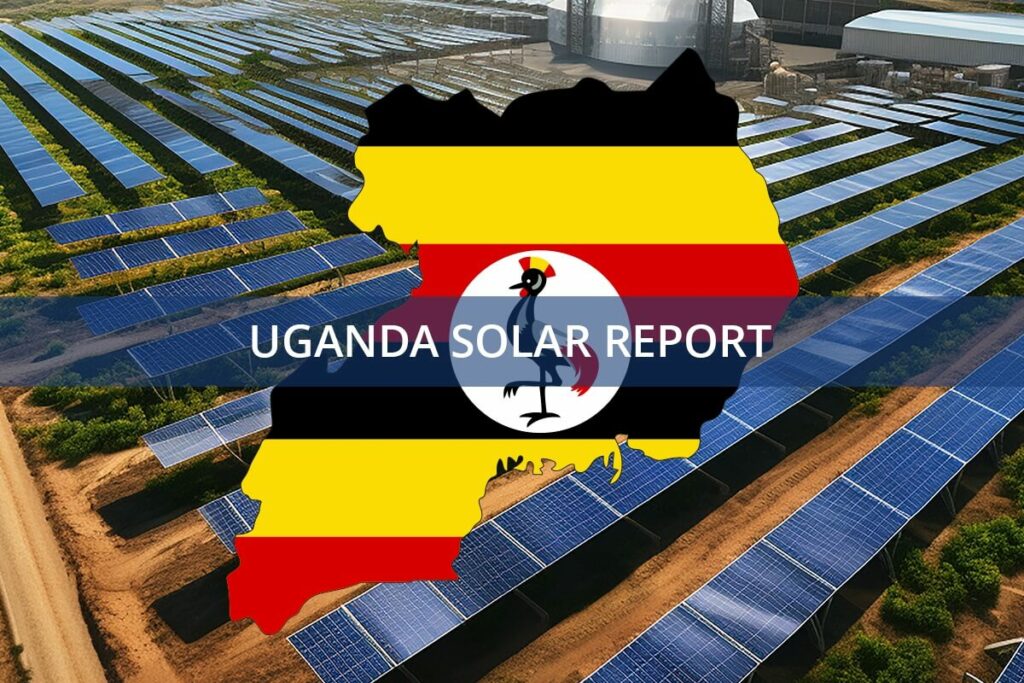
In a nation where less than 2% of agricultural land is irrigated, Uganda is grappling with the severe impacts of climate change on its agri-food systems. To confront this, the government, with support from the World Bank, has initiated a vital subsidy program to spur the adoption of solar-powered irrigation pumps among small-scale farmers, aiming to bolster climate resilience and accelerate commercialization.
Overwhelming Demand Meets Systemic Bottlenecks in Advancing Uganda’s Solar Pump Program: Unlocking $1,100–$3,800 Solutions
The initiative has seen immense interest, with 80,000 applications submitted from 66 of Uganda’s 146 districts. However, the rollout has been slow; as of December 2024, only about 4,000 solar pumps had been installed. This significant gap highlights several critical barriers hindering the program’s progress. A primary obstacle is the financial commitment required from farmers. The program operates on a cost-sharing basis, mandating a 25% co-payment from participants, which translates to a sum between 4 million and 14 million Ugandan shillings (approximately $1,100–$3,800). This upfront cost is a substantial hurdle for many farmers who must source funds from personal savings or micro-credit, options that are often out of reach.
Further complicating matters are logistical delays and stringent eligibility criteria. Farmers report waiting anywhere from two to seven months for their pumps to arrive, a delay that is particularly damaging for those who have taken out loans for their co-payment. Moreover, the requirement for farmers to own land with a reliable water source—such as a stream, lake, or well—effectively excludes many poorer landholders from participating.
Beyond Irrigation: Broader Benefits and Long-Term Sustainability of Advancing Uganda’s Solar Pump Program: Unlocking $1,100–$3,800 Solutions
Despite these challenges, farmers who have received the pumps are discovering uses beyond simple crop irrigation. Survey data reveals that the systems are also being used for watering livestock and meeting household water needs, significantly improving water security and boosting the overall value proposition of their investment. Unlike some programs in South Asia that utilize oversized pumps to facilitate water sales, the Ugandan initiative sizes pumps for individual farm use, which limits potential income from water sharing but focuses on household-level resilience.
However, the long-term success of the program is threatened by a severe shortage of maintenance and repair services in rural areas. The lack of trained technicians and access to spare parts has forced some farmers to abandon their pumps when they malfunction. This critical gap underscores the need for a more holistic approach that includes building a local support ecosystem.
Refining the Model for Future Success in Advancing Uganda’s Solar Pump Program: Unlocking $1,100–$3,800 Solutions
Uganda’s solar pump program represents a crucial step toward modernizing its agricultural sector. The lessons learned from this initial phase are invaluable for refining the model. To ensure a more equitable and sustainable future, key improvements must focus on streamlining procurement, establishing reliable after-sales service networks, and re-evaluating water source requirements to broaden access.
By addressing these persistent barriers, Uganda can transform this promising initiative into a robust, scalable model for a solar-driven agricultural future, setting a powerful example for the entire region.
Sources
- Northern Uganda Regional Investment Plan (2020/21-2024/25)
- Mercy-Corps-Uganda-Renewable-Energy-Strategy-2024- …
- 2024 ANNUAL REPORT
- Uganda Annual Country Report 2024
- Strengthening Uganda’s solar pump subsidy program
- National Road Map on Scaling Up Productive Use of Solar …
- Strengthening Uganda’s solar pump subsidy program
- Building Climate Resilience Through Solar-Powered …
- SNV 2024 Annual Report and Audited Accounts
- Uganda’s Solar Irrigation Subsidy Program Faces …