A New Energy Artery: Hungary Azerbaijan green energy: Unique 2024 deal forged
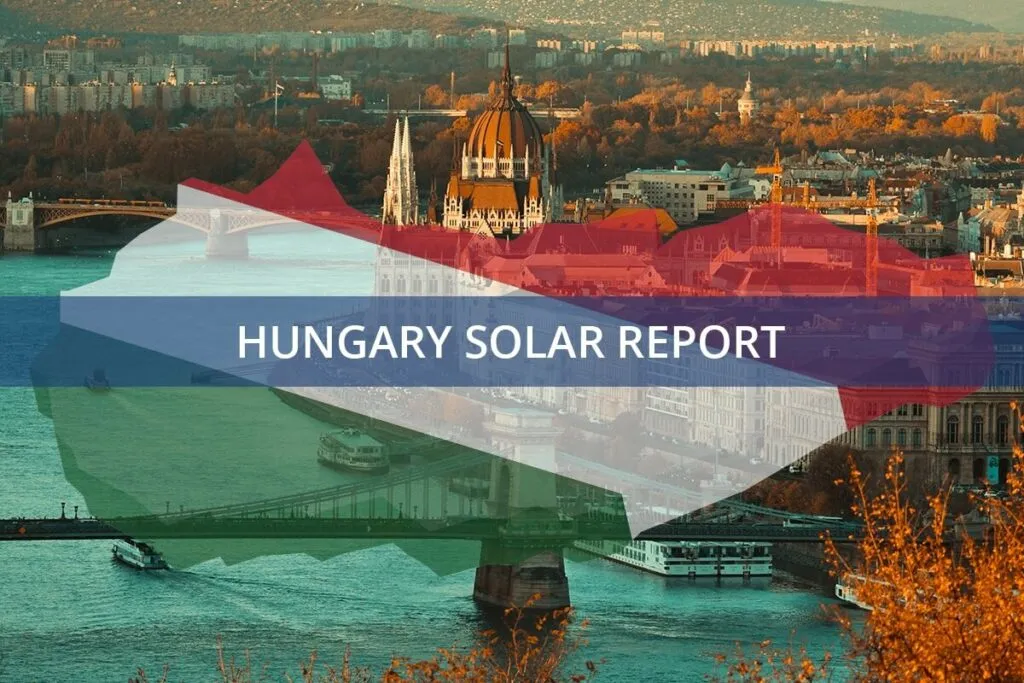
In a significant move to reshape Europe’s energy map, Hungary has formally joined a joint venture with Azerbaijan, Georgia, and Romania to establish a green energy corridor connecting the Caspian region to Central Europe. The 2024 agreement solidifies plans to import renewable electricity via high-voltage undersea cables, marking a pivotal step in diversifying the continent’s energy supply away from Russian sources and advancing its clean energy transition.
Forging the Four-Nation Partnership
The operational framework for this ambitious project was cemented in May 2024 when energy operators from the four nations—Hungary’s MVM, Azerbaijan’s Azerenerji, Romania’s Transelectrica, and Georgia’s state electricity company—signed a memorandum in Bucharest. This established a joint company to oversee the development of the corridor. The initiative builds upon a foundational agreement signed by the national leaders in December 2022, and it has garnered substantial backing from the European Commission, which has committed €2.3 billion in support.
The centerpiece of the plan is a sophisticated subsea power cable stretching across the Black Sea. This infrastructure is designed to transmit green electricity generated from Azerbaijan’s abundant Caspian wind and solar resources directly to the European Union, positioning Hungary as a key distribution hub.
Hungary’s Dual-Pronged Energy Strategy
Hungary’s participation underscores a strategic, dual-pronged approach to national energy security. By championing this corridor, the country not only gains access to a stable new source of renewable power but also reinforces its role as a vital energy bridge within the EU. This green initiative complements Hungary’s other energy investments in the region, including the acquisition of a stake in Azerbaijan’s Shah Deniz natural gas field, blending renewable and traditional energy assets to ensure a resilient supply.
The scale of the project highlights the complexities of the green energy supply chain, from sourcing the essential materials for solar panels to final grid integration. As Azerbaijan works towards its goal of achieving 6 GW of renewable capacity by 2030, this corridor provides a crucial route to European markets.
Future Expansion and Regional Impact
The vision for this energy corridor extends beyond its current participants. A May 2024 memorandum laid the groundwork for a potential Trans-Caspian submarine cable that would link the energy grids of Kazakhstan and Uzbekistan to Azerbaijan. This future expansion would connect Central Asia’s vast renewable potential to the Black Sea line, further amplifying Hungary’s role as a European energy gateway.
Executing such large-scale renewable projects requires deep expertise in the entire production cycle, including a detailed understanding of the solar panel manufacturing process. As these plans move from concept to reality, they promise to secure a cleaner, more independent energy future for the EU.
Conclusion
The formalization of the Green Energy Corridor in 2024 is more than a diplomatic achievement; it is a concrete step towards a more interconnected and sustainable European energy landscape. Through strategic international cooperation, Hungary and its partners are building a vital artery for clean power that will bolster energy security and help meet ambitious climate goals for decades to come.
For those interested in delving deeper into the technologies driving this energy revolution, you can explore this complimentary e-course on solar technology.
Sources
- Hungary and Azerbaijan sign historic gas field agreement
- How Azerbaijan and Europe Are Joining Forces to Develop …
- Commissioner Simson in Azerbaijan to boost energy …
- The EU and Azerbaijan as Energy Partners: Short-Term …
- Azerbaijan, Georgia, Hungary and Romania officially …
- Hungary and Azerbaijan: Fueling more than just gas
- “O Brother, Where Art Thou?” Azerbaijan-Hungary relations …
- Azerbaijani and Uzbek Green Energy to Be Exported …
- Enhanced Strategic Partnership in Energy and Beyond