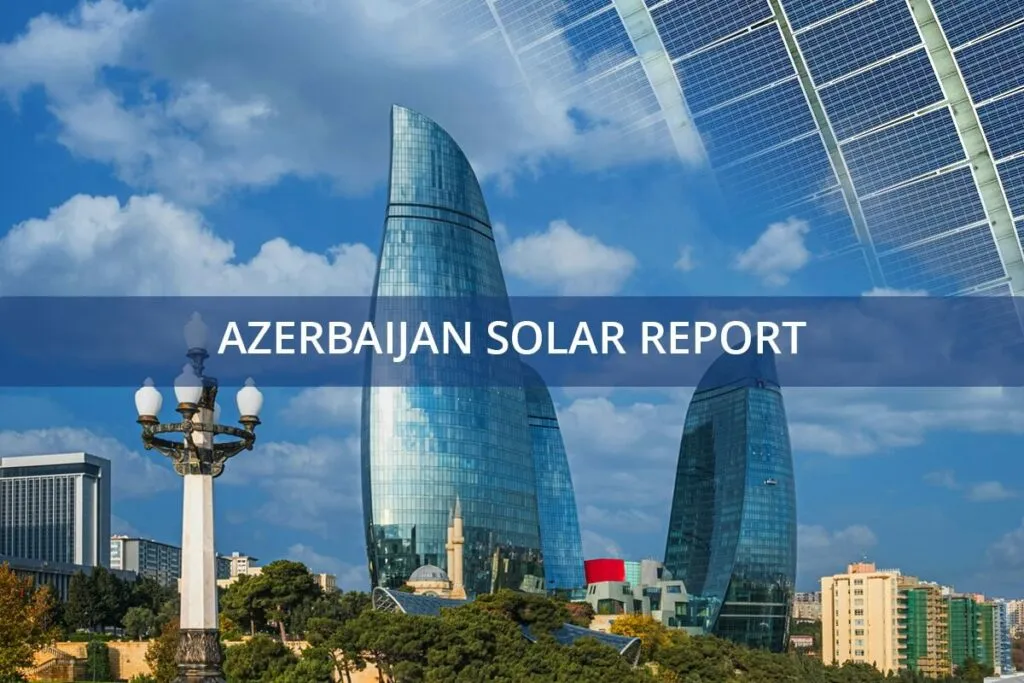
Azerbaijan is making significant strides in green energy with two new solar power projects: the 100 MW Nakhchivan Solar Power Plant and the 230 MW Garadagh Solar Power Plant. These projects support Azerbaijan’s goal of achieving a substantial share of renewable energy in its total energy mix by 2030 and beyond.
Azerbaijan’s Green Energy Progress in Azerbaijan green energy
Azerbaijan is rapidly advancing its green energy agenda, moving from ambition to tangible results with the development of several major solar power projects. The Energy Ministry has celebrated milestones like the completion of the 100 MW Nakhchivan Solar Power Plant, which is now connected to the unified energy system. Progress is also well underway on the 230 MW Garadagh Solar Power Plant.
The Nakhchivan plant, developed by the UAE-based company Masdar, is a cornerstone of Azerbaijan’s strategy to diversify its energy sources. However, the country’s vision extends much further, with plans to transform regions like Karabakh, East Zangazur, and Nakhchivan into dedicated “green energy zones.” This includes additional projects such as a 30 MW solar plant in Nakhchivan with Nobel Energy and bp’s development of the 240 MW Shafag solar power plant in the Jabrayil district. The sheer scale of these projects relies on a sophisticated manufacturing process to produce the vast number of solar panels required.
The Garadagh Solar Power Plant, developed in collaboration with international partners, adds another 230 MW to the grid. Together, these initiatives represent a major boost for the country’s renewable energy sector and a clear signal of its commitment to reducing reliance on fossil fuels.
Azerbaijan’s Renewable Energy Ambitions for Azerbaijan green energy
Azerbaijan has set increasingly ambitious goals for its renewable energy future. While the initial target was a 30% share of renewables by 2030, the country now aims to integrate approximately 2.7 GW of solar and wind capacity by 2035. This would elevate green energy’s share to between 40-45% of the nation’s total installed capacity, aligning with its commitments under the Paris Agreement.
A key element of this strategy is robust international cooperation. Beyond working with the European Union, Azerbaijan is pioneering a “green corridor” to export clean energy to Europe. This ambitious plan involves strategic partnerships with neighboring countries, evidenced by a memorandum of understanding signed with Türkiye, Bulgaria, and Georgia to facilitate the cross-border transmission and trade of green electricity. The country is also strengthening energy ties with Turkmenistan to enhance regional cooperation. Understanding the basics of solar panel manufacturing is crucial for all stakeholders involved in these international energy dialogues.
In addition to its immense solar potential, Azerbaijan is actively exploring other renewable sources. The country has significant wind energy potential, particularly in the Caspian Sea region, where offshore wind projects are being planned. Hydropower also remains a focus, with plans to expand existing capacity and leverage the country’s water resources more effectively.
Investments in Green Energy for Azerbaijan green energy
Azerbaijan’s green energy projects are attracting substantial investment from both domestic and international players. The government has cultivated a favorable investment climate by offering incentives like tax breaks and subsidies for renewable energy initiatives.
Financial institutions such as the European Bank for Reconstruction and Development (EBRD) have been pivotal, providing funding that accelerates the development of solar and wind projects. These investments cover everything from land acquisition to sourcing high-quality solar panel raw materials and the sophisticated solar panel manufacturing machines needed for a resilient supply chain. For investors and policymakers, a clear understanding of the solar panel manufacturing plant cost breakdown is essential for planning and executing these capital-intensive projects.
Beyond financial backing, Azerbaijan benefits from technical assistance from its international partners. This support includes training programs for local engineers and technicians, ensuring the country builds domestic expertise to sustain its green transition. This commitment is embedded in the nation’s legal and regulatory framework, which has been updated to simplify permit procedures and guarantee grid access for renewable energy producers.
Azerbaijan’s green energy projects are a crucial part of its strategy to diversify its energy sources and reduce its carbon footprint. With flagship projects like the Nakhchivan and Garadagh Solar Power Plants leading the way, the nation is making remarkable progress toward its renewable energy goals and positioning itself as a key player in the regional green energy market.
To learn more about the intricacies of bringing solar projects to life, from conception to production, explore our free e-course on solar panel manufacturing.