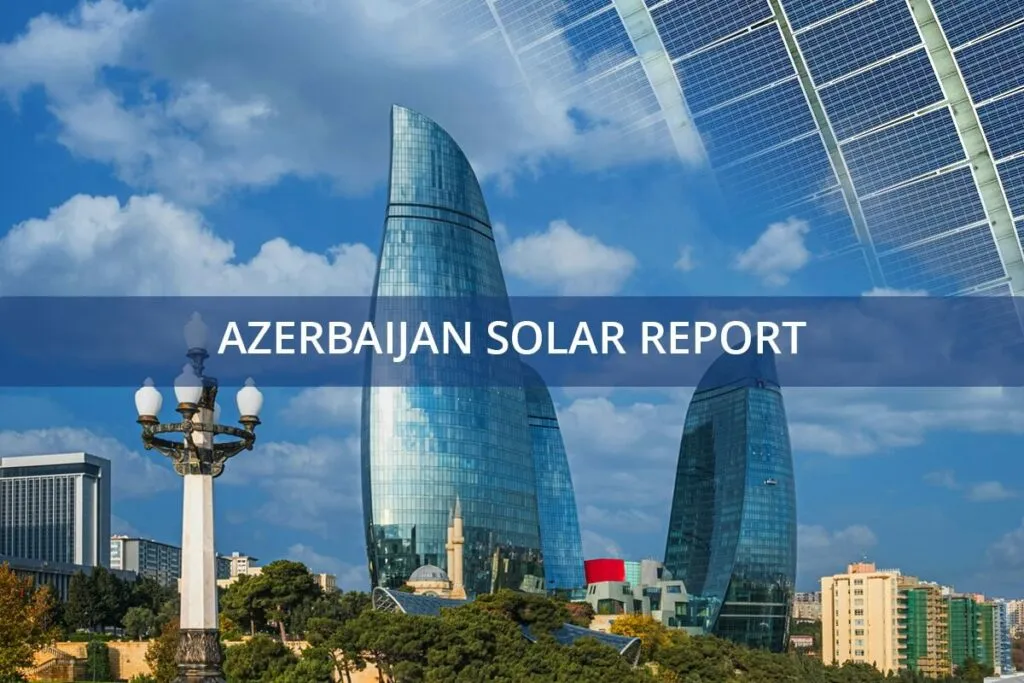
Azerbaijan is charting an ambitious course for its energy future, moving well beyond its initial goals. The nation is now targeting the installation of a massive 6 gigawatts (GW) of renewable energy capacity by 2030. This objective is a cornerstone of the nation’s broader decarbonization strategy, which has also been accelerated to include significantly reducing carbon emissions by 40% by 2035, a notable step up from the previous 2050 target.
From Percentage to Power: A New Vision for Azerbaijan renewable energy
While an earlier target focused on a 6% share of renewables in total energy consumption, the new strategy emphasizes building tangible generation capacity. This 6 GW goal is set to be achieved through a mix of solar, wind, and hydropower projects. This strategic shift not only supports domestic energy needs but also positions Azerbaijan as a future powerhouse in the regional green energy landscape.
The government is actively supporting this transition, particularly by fostering the development of green energy and smart city zones in the Karabakh and Eastern Zangezur regions. This initiative aims to transform these areas into models of sustainability and technological innovation. You can explore the current state of the nation’s solar industry in the Azerbaijan Solar Panel Manufacturing Report.
Powering Europe: An Export-Oriented Azerbaijan renewable energy Strategy
Azerbaijan’s green energy plan is not just for domestic consumption; it has a strong international dimension. By 2032, the country expects to generate over 6 GW of renewable capacity, with a remarkable 4 GW specifically earmarked for export.
A key element of this vision is the Caspian–Black Sea–Europe Green Energy Corridor, an ambitious infrastructure project designed to connect the resource-rich Caspian region to European markets. This corridor will be vital for transmitting green electricity, with neighboring countries playing a crucial role. The development of renewable infrastructure in the region, such as in nearby Georgia, is integral to the success of this corridor, as detailed in the Georgia Solar Panel Manufacturing | Market Insights Report. This export-focused approach aligns with a broader regional trend where nations are looking to enhance energy resilience and open new markets, a strategy also being pursued in Turkmenistan solar energy: Stunning ADB Boost in 2024.
Leading the Charge on the World Stage for Azerbaijan renewable energy
Azerbaijan is cementing its commitment to climate action through international leadership. By hosting the COP29 climate conference, the nation has taken a central role in global climate negotiations. In a significant move, Azerbaijan and Brazil (host of COP30) jointly unveiled the “Baku to Belém Roadmap,” a plan to mobilize $1.3 trillion annually in climate finance. This initiative underscores the country’s dedication to facilitating the global green transition.
These international efforts are part of a larger trend, as highlighted in the Global Solar Report – PVknowhow.com, where nations are increasingly setting ambitious renewable targets. While Azerbaijan’s goals are large-scale, every project contributes, such as when Enlight’s 60-MW PV Plant Starts Operation in Hungary.
Building a Sustainable Future from the Ground Up with Azerbaijan renewable energy
To meet such ambitious targets, developing a robust domestic manufacturing base is essential. A local solar industry would not only accelerate deployment but also create economic growth and reduce reliance on imports. Establishing this requires a comprehensive understanding of the entire solar panel manufacturing process, starting from the basics of solar panel manufacturing.
Success hinges on securing a stable supply of solar panel raw materials and investing in sophisticated solar panel manufacturing machines. For potential investors and policymakers, a detailed analysis of the solar panel manufacturing plant cost breakdown is a critical first step.
What This Means for European Energy Security and Azerbaijan renewable energy
For homeowners and tenants in Germany and across Europe, Azerbaijan’s green energy export strategy is significant. By providing a new, substantial source of green electricity to the European grid, the Caspian–Black Sea–Europe corridor can help diversify the continent’s energy supply. This increased supply can contribute to greater price stability and support the long-term goals of Germany’s Energiewende, or energy transition, ultimately fostering a more secure and sustainable energy market for everyone.
To learn more about the intricacies of setting up a solar manufacturing business, from initial planning to full-scale production, consider enrolling in our free e-course.