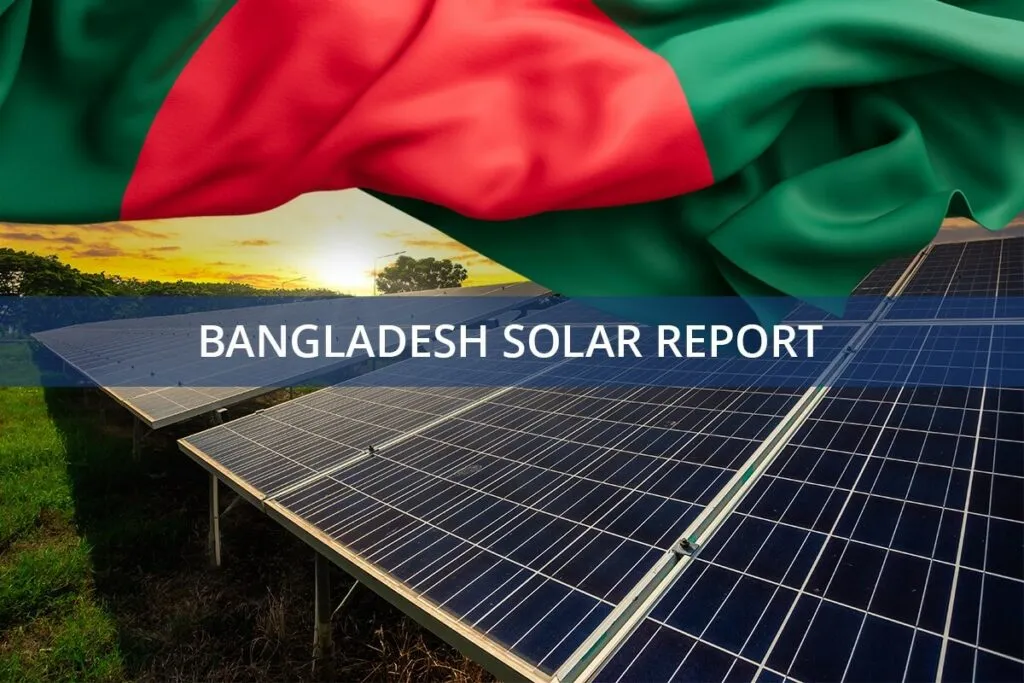
Bangladesh’s ambitious plan to build 5,238 MW of grid-tied solar power capacity is facing significant delays, casting a shadow over its renewable energy goals. The government’s push, intended to be a cornerstone of its strategy to generate 40% of energy from renewable sources by 2041, has been met with a tepid response from investors, jeopardizing the entire initiative.
Lack of Investor Interest in Bangladesh solar energy
The Power Division’s plan to develop solar power across 55 designated sites has struggled to attract credible bidders. The initiative, structured into four international tender packages, has been plagued by low engagement and repeated deadline extensions.
For instance, the first package for 12 plants saw its deadline extended five times due to limited bids. The second package, covering 10 plants with a combined capacity of 500 MW, received only 21 bids despite 46 bid documents being sold. This pattern of lukewarm interest has persisted through the third tender package as well, indicating a systemic issue rather than an isolated one. While some sites, like the proposed 45 MW plant in Bhaluka, have attracted more attention, many others have received very few bids, highlighting the uneven appeal of the projects on offer.
A primary sticking point is the cost-effectiveness of the projects. Investors have raised serious concerns about the proposed tariffs. The Power Division set a maximum tariff at 6 US cents per kilowatt-hour (kWh), but the Bangladesh Power Development Board (BPDB) has sought an even lower rate of 5.5 cents. In response, the Renewable Energy Investors Association of Bangladesh (REIAB) has formally requested the government raise the tariff to 7.5 cents per kWh, arguing that the current rates are not financially viable given the challenges of the local market.
Land and Tariff Challenges for Bangladesh solar energy
While the government has offered to lease designated land for the projects at 50% below market rates, investors remain wary. The cost of acquiring any additional necessary land, coupled with the lengthy process to secure it, presents a significant financial and logistical hurdle. Furthermore, in some instances, the land offered is not ideally suited for large-scale solar development, compounding the challenges.
The proposed tariff of 6 cents per kWh remains a major point of contention. Investors argue this rate fails to reflect the true cost of developing and operating solar projects in Bangladesh. A comprehensive solar panel manufacturing plant cost breakdown reveals numerous expenses that must be covered. They point out that the costs of land, labor, and equipment—which are influenced by the global price of solar panel raw materials—are higher in Bangladesh compared to other regional markets, making it difficult to achieve a competitive return on investment at the proposed tariff.
The REIAB has also highlighted the significant risk posed by bureaucratic hurdles. Past projects have been subject to long delays in obtaining necessary permits and approvals. These delays can dramatically increase project costs and disrupt financial models, making investors hesitant to commit capital without stronger assurances of a streamlined process.
Future of Solar Energy in Bangladesh
The persistent lack of investor interest places the future of utility-scale solar energy in Bangladesh at a critical juncture. If these fundamental challenges are not addressed, the goal of achieving 40% renewable energy by 2041 is at serious risk. The Power Division must act decisively to make these projects more attractive.
One clear option is to reassess the tariff structure. Raising the tariff to the 7.5 cents per kWh requested by the REIAB would signal to the market that the government is serious about creating a profitable environment for renewable energy. This could be supplemented with other financial incentives, such as tax breaks or subsidies, to make the projects more financially sound.
Another crucial step is to streamline the administrative process. Reducing bureaucratic delays by creating a single-window system for all necessary permits and approvals would significantly de-risk projects for investors. A clear and efficient approval pathway makes it easier to start and complete projects on time and within budget, which is a key factor in any investment decision. The complexity of the entire solar panel manufacturing process requires a supportive and efficient regulatory framework.
The Power Division could also revise the land lease agreements. Offering longer lease terms or more flexible conditions could help reduce the overall project cost and alleviate one of the major concerns for investors.
Ultimately, open and continuous dialogue is essential. The government must engage with the REIAB and other stakeholders to fully understand their concerns and collaboratively design projects that meet the needs of both the public and private sectors. By understanding the basics of solar panel manufacturing and the economics that drive it, policymakers can create a more robust and appealing investment climate.
Bangladesh’s ambitious solar plan is at a crossroads. Without proactive steps to address investor concerns regarding tariffs, land, and bureaucracy, the plan may falter. However, by making these projects more financially viable and administratively streamlined, the government can unlock the investment needed to build a cleaner, more sustainable energy future.
To learn more about the intricacies of the solar industry, consider exploring our free e-course.