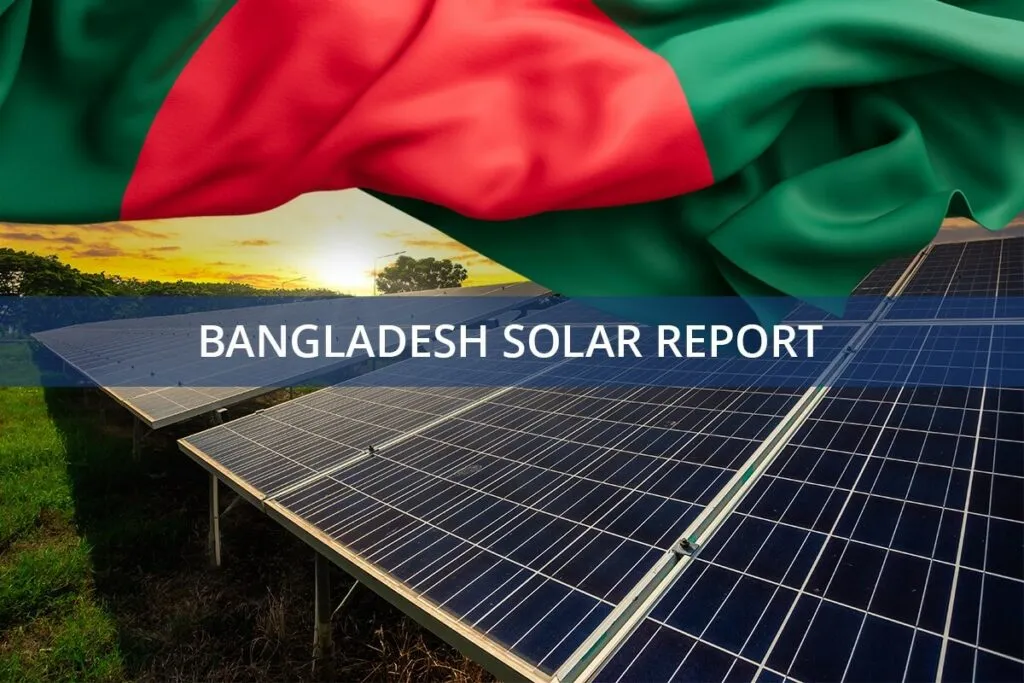
Bangladesh has officially entered the global renewable energy supply chain, marking a historic first with the export of solar photovoltaic (PV) modules to the United States. This breakthrough, which commenced in June 2025, signals a new chapter for the nation’s manufacturing sector and its ambitious green energy goals.
Bangladesh solar panel exports: Unique US deal in 2025
The pioneering initiative is led by Radiant Alliance, an affiliate of the East Coast Group conglomerate. On June 19, 2025, the company dispatched its inaugural shipment of ‘Made in Bangladesh’ solar panels to the US-based firm CleanGrid Incorporation. This shipment kicks off a four-year export agreement valued at over Tk215 crore (approximately $25 million USD), solidifying Bangladesh’s new role as a solar technology exporter.
This achievement strategically supports Bangladesh’s national commitments under the Paris Agreement. The government has set ambitious targets, including a powerful push to increase renewable energy capacity, highlighted by the 2025 rooftop solar goal. The long-term vision aims for renewables to comprise 40% of the total energy mix by 2041.
Economic Impact and Strategic Opportunities
The export of solar panels is expected to bring significant economic benefits, including substantial foreign exchange earnings and the creation of skilled jobs within the clean energy industry. This move is particularly timely as the United States seeks to diversify its solar supply chain, opening the door for new manufacturing partners. For Bangladeshi companies, this presents a prime opportunity, and a guide to exporting solar panels from Bangladesh is now more relevant than ever.
This export milestone builds on steady domestic progress. The nation’s renewable energy sector currently generates 730 MW, representing 5.6% of total power production. Initiatives like the unique solar installation drive of 2024 have helped build a foundation for this international expansion, as the country works toward a goal of 10% renewable generation by 2030.
Navigating Challenges in Production
Despite this success, the path to becoming a major solar exporter is not without its obstacles. The industry faces significant challenges, including the high initial capital costs of setting up advanced production lines. A successful solar panel manufacturing process depends on sophisticated manufacturing machines, a consistent supply of quality raw materials, and access to financing.
The Bangladeshi government is actively working to mitigate these hurdles. Supportive policies such as tax incentives, subsidies, and net metering schemes are being implemented to foster growth. By easing investment rules for the private sector, the government is creating a more favorable environment for the renewable energy sector to flourish.
This inaugural export to the US by Radiant Alliance is more than a commercial transaction; it’s a testament to Bangladesh’s growing industrial capabilities and its potential to become a key player in the international solar market. For those interested in the business side of this technology, a free e-course on solar manufacturing is available.
Sources
- US-Bangladesh trade deal: Check key terms of the pact …
- Getting Bangladesh’s renewable energy transition on track
- From which countries did the US import solar panels in 2025?
- Bangladesh begins solar module exports
- ‘Made in Bangladesh’ solar panels go to US for the first time
- Bangladesh to buy $15b of energy products over 15 years …