Regional Transformation: Caribbean Energy Efficiency: $131M Boost is Remarkable
The World Bank has approved a landmark $131.8 million initiative, the Caribbean Efficient and Green Energy Buildings Project, designed to bolster energy security and climate resilience across Saint Lucia, Grenada, and Guyana. This investment directly addresses the region’s acute vulnerability to volatile global fuel markets, where nations import approximately 90% of their petroleum—a figure drastically higher than the 21% global average. By targeting the area’s aging infrastructure, which relies on diesel-fired plants for about 96% of its power, this project marks a pivotal shift towards a sustainable energy future.
Strategic Upgrades Highlight Caribbean Energy Efficiency: $131M Boost is Remarkable
A core component of this multi-national effort involves the large-scale retrofitting of around 500 public buildings, such as schools and hospitals. The initiative aims to install energy-efficient technologies and rooftop solar panels, with a clear target of reducing energy consumption in these facilities by at least 20%. For nations where natural disasters cost an average of 2.13% of GDP annually, creating more resilient and less costly public infrastructure is a critical step towards long-term economic stability and operational readiness.
Saint Lucia’s Clean Energy Ambitions and Caribbean Energy Efficiency: $131M Boost is Remarkable
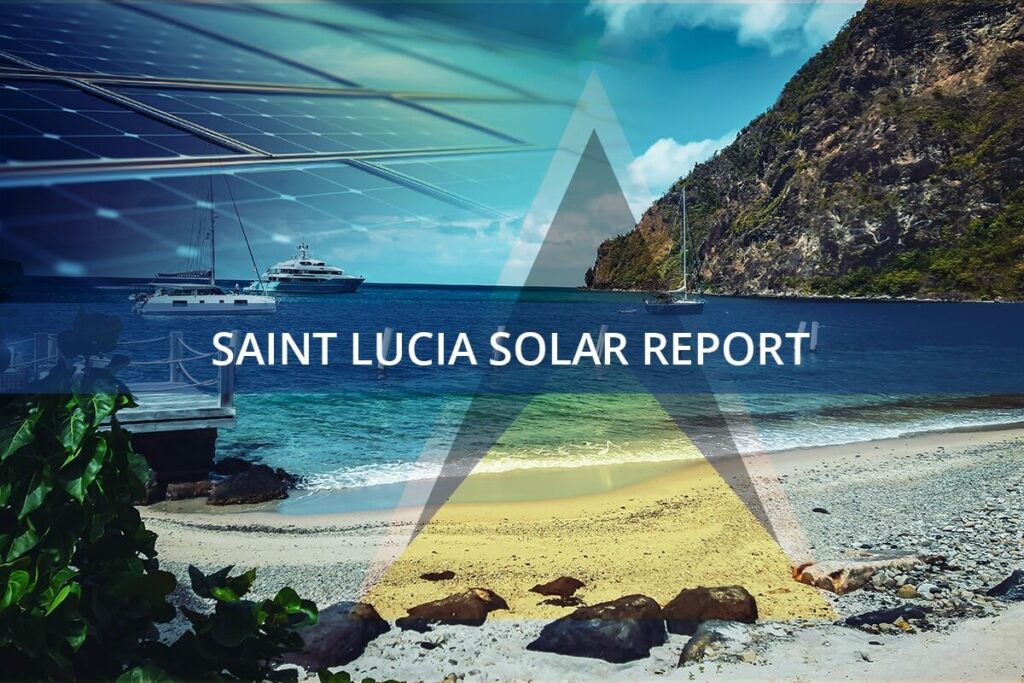
For Saint Lucia, this funding injection provides a powerful catalyst for achieving its national goal of generating 35% of its electricity from renewables by 2025. The new project builds upon previous successful collaborations, including a prior Saint Lucia energy project that secured significant funding to develop the island’s natural resources. The sustained support will accelerate the nation’s move away from fossil fuel dependency and enhance its grid stability.
The island is already scaling its solar capacity, moving beyond the foundational 3 MW solar facility at Hewanorra International Airport. This new financial backing will be instrumental in advancing major installations like the planned 25 MW Troumassee Solar Farm, which includes 50 MWh of battery storage. Furthermore, Saint Lucia is preparing a 2025 tender for an additional 10 MW solar project integrated with 13 MW of battery storage, cementing solar power’s role in its energy matrix.
The Technology Driving a Greener Grid with Caribbean Energy Efficiency: $131M Boost is Remarkable
This ambitious green transition is powered by sophisticated global technology. A deep dive into the solar panel manufacturing process reveals a complex journey from high-purity raw materials like silicon to the finished photovoltaic modules. Understanding the basics of solar panel manufacturing highlights the precision engineering and specialized solar panel manufacturing machines required for each step. The significant capital needed is evident in any solar panel manufacturing plant cost breakdown, illustrating the scale of investment required to produce the technology that will power the Caribbean’s future.
This comprehensive investment is more than just funding; it’s a validation of the Caribbean’s proactive climate strategy. For those looking to understand the industry behind this transformation, our free e-course offers in-depth knowledge on solar technology from production to deployment.
Sources
- Powering People and Planet: Impact Report 2025
- Energy Efficiency 2025 Report
- Caribbean Development Dynamics 2025 – IADB Publications
- Sixteenth Report to Congress on the Caribbean Basin Economic Recovery Act
- Caribbean nations get $131.8M from World Bank for energy project
- Compete Caribbean Program Report
- Powering Growth – International Monetary Fund
- Energy Outlook of Latin America and the Caribbean 2024 – OLADE