Kenya SoLAR II Program Scales Up Climate-Resilient Farming
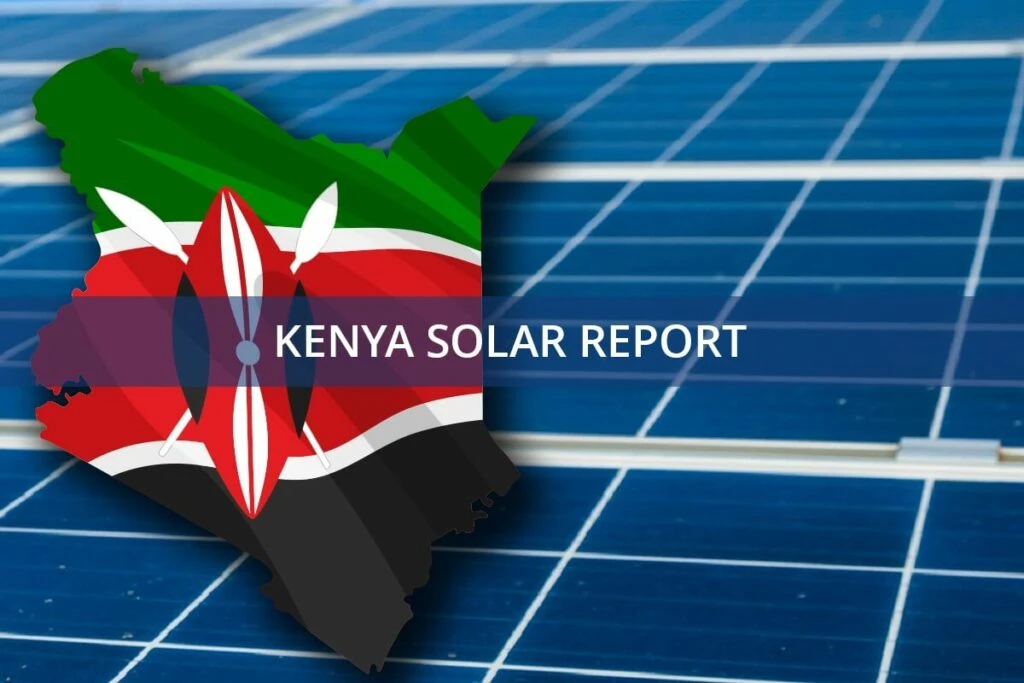
As nations grapple with the escalating challenges of climate change, innovative solutions that bolster food security and empower rural communities are more critical than ever. In Kenya, a significant stride is being made through the SoLAR II program, which is now entering its growth phase to scale up climate-resilient farming practices for smallholder farmers across the country. This initiative represents a pivotal shift from dependency on unpredictable rainfall to a more stable and productive agricultural future powered by the sun.
The Core of the Initiative: Solar-Powered Climate-resilient farming Kenya
At the heart of the SoLAR II program is the widespread adoption of solar-powered irrigation systems. For generations, smallholder farmers in Kenya have relied on rain-fed agriculture, leaving them vulnerable to erratic weather patterns, prolonged droughts, and shifting seasons. By moving from a pilot program to a full-scale growth phase, SoLAR II is helping to break this cycle of uncertainty.
The program focuses on distributing subsidized solar pumps and drip irrigation systems. These technologies enable farmers to access water year-round, ensuring consistent crop production, improving household water security, and increasing overall yields. The solar panels that power these systems are a testament to advancements in photovoltaic technology. The intricate solar panel manufacturing process has become so efficient that it makes large-scale deployments like this economically viable, transforming agricultural landscapes.
Empowering Farmers and Protecting the Environment through Climate-resilient farming Kenya
The benefits of this scale-up are multifaceted. For farming households, reliable irrigation translates directly to higher and more stable incomes. They can cultivate higher-value crops and participate more consistently in local markets. This economic empowerment is a crucial step toward building resilient rural communities.
Furthermore, the program offers significant environmental advantages. By replacing carbon-intensive diesel pumps with clean solar energy, the initiative contributes to reducing greenhouse gas emissions. This aligns with Kenya’s broader national push for sustainable development and the adoption of green technologies. Understanding the basics of solar panel manufacturing reveals how the entire value chain, from sourcing solar panel raw materials to final installation, plays a role in this green transition.
A National Strategy for Climate-resilient farming Kenya
The SoLAR II program is not an isolated effort. It is part of a wider national strategy in Kenya to leverage solar technology for water security. Media reports indicate a growing trend of installing solar pumping and pipeline infrastructure across the country, highlighting a strong commitment from the government and its partners.
Making this technology accessible is key to the program’s success. Through national and local distribution channels, the initiative provides subsidies and financing support to improve affordability for smallholders. The final cost of these systems is directly influenced by efficiencies in production, where sophisticated solar panel manufacturing machines play a critical role in producing high-quality panels at a competitive price. A detailed look at a solar panel manufacturing plant cost breakdown shows how optimizations at the factory level can ultimately make sustainable technology accessible to a farmer in rural Kenya.
The expansion of the SoLAR II program is a powerful example of how targeted investment in renewable energy technology can yield transformative results for agriculture, the economy, and the environment.
If you are inspired by how solar technology is changing lives and want to delve deeper into the industry behind it, consider enrolling in our free e-course to learn more about the world of solar panel manufacturing.