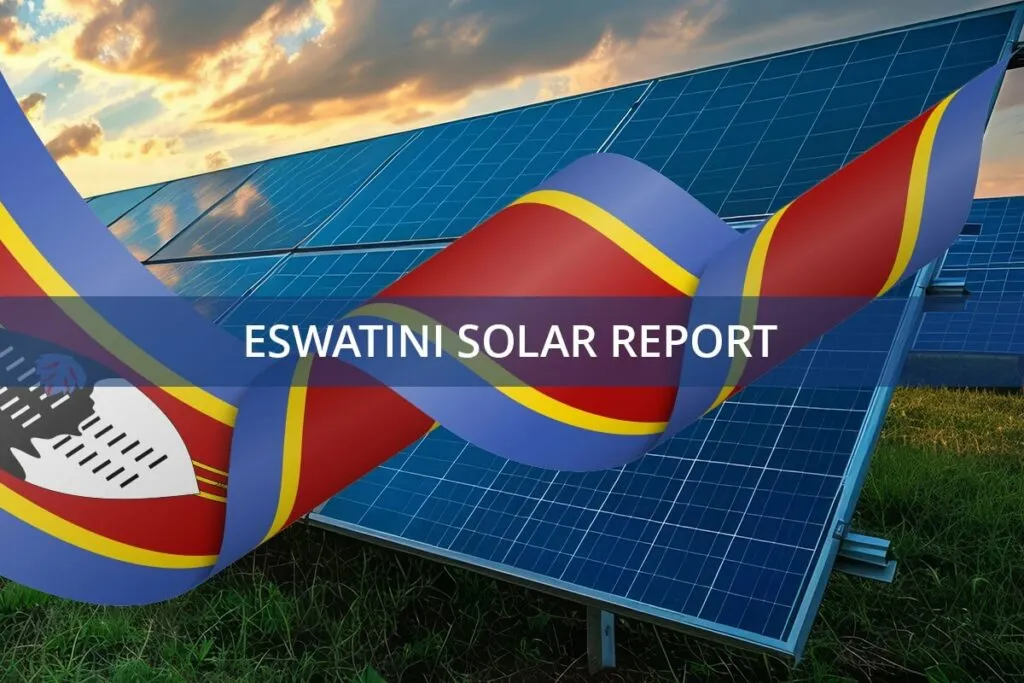
Eswatini is advancing its renewable energy ambitions with a targeted initiative to bring electricity to underserved rural areas. The Eswatini Energy Regulatory Authority (ESERA), in collaboration with the Africa Minigrids Program (AMP), has officially launched a call for bids for the development of the Bulimeni Solar PV and Battery Minigrid Project.
This pivotal project is designed to deliver reliable electricity to the unelectrified Bulimeni Community, located in the Shiselweni Region’s Nkwene Constituency. According to the tender details, the minigrid will provide power to approximately 168 households, representing a significant step in combating energy poverty and fostering local economic development. Interested parties were required to submit their proposals by the deadline of December 3, 2025.
The initiative highlights a strategic focus on decentralized power solutions to complement larger grid infrastructure. By integrating a solar photovoltaic (PV) plant with a battery storage system, the project ensures a consistent and stable power supply, overcoming the challenge of solar intermittency. This hybrid approach is crucial for providing round-the-clock energy for homes and small businesses in the community. The project’s success hinges on the reliable technology behind the solar panel manufacturing process, which transforms key solar panel raw materials into efficient energy-generating devices.
This minigrid tender is a key component of Eswatini’s broader energy strategy, which aims to increase the share of renewables in its energy mix. The nation’s progress in this sector is documented in the Eswatini Solar Panel Manufacturing | Market Insights Report. While projects like Bulimeni address rural electrification at a local level, the country is also pursuing utility-scale developments, such as the 20 MW Tsamela Solar PV Project that was launched in late 2025, demonstrating a multi-pronged approach to achieving energy security.
The investment required for such clean energy infrastructure is significant, extending beyond the panels themselves. A comprehensive understanding of the basics of solar panel manufacturing reveals the complexity and capital involved, from sophisticated solar panel manufacturing machines to the overall facility expenses detailed in a solar panel manufacturing plant cost breakdown. The Bulimeni project, backed by the AMP, showcases a viable model for attracting investment into community-scale renewable solutions.
By launching this tender, Eswatini not only moves closer to its national electrification goals but also reinforces its commitment to the continent-wide transition toward a sustainable energy future. For those looking to deepen their knowledge of the technologies driving this change, a free e-course on the solar industry is available.
Sources for the Eswatini solar minigrid: Unique Bids Launched for Project
- AMP Eswatini Ramps Up Progress for Bulimeni Minigrid …
- AMP Eswatini Strengthens Skills for Minigrid Professionals
- Eswatini Launches 20 MW Tsamela Solar PV Project To Boost Local …
- Solar Mini-grids Projects in Eswatini
- Eswatini Opens Bids for Solar Minigrid
- Eswatini invites bids for Bulimeni Solar PV + Battery …
- Eswatini runs solar-plus-battery minigrid tender