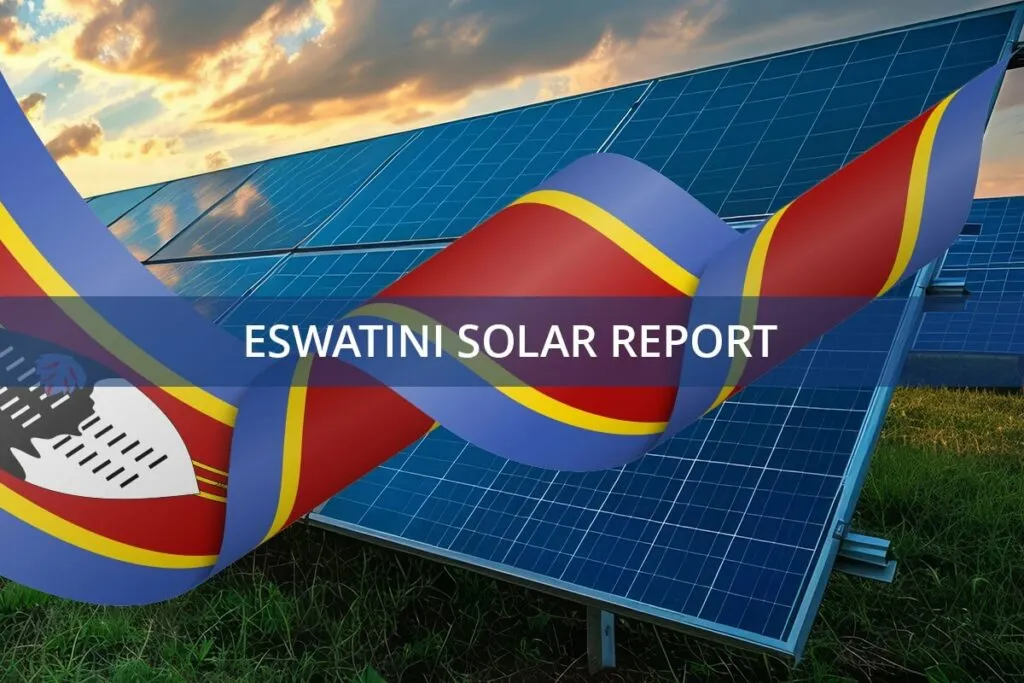
Eswatini is making significant strides in renewable energy with the development of the Tsamela Solar Project. This initiative—which aims to generate 75 MW of power—will contribute approximately 10% of the country’s annual electricity needs and significantly reduce its reliance on imported energy, marking a pivotal moment for its energy security.
Eswatini Solar Project: An Overview
Enel Green Power, a global leader in the renewable energy sector, has taken charge of developing the Tsamela utility-scale solar PV project in Eswatini. The solar plant is expected to produce 75 megawatts (MW) of electricity, which will be fed into the national grid. This massive array of solar panels, each a product of a complex manufacturing process, represents a major step towards domestic power generation.
This power plant will be located in the Shiselweni region of southern Eswatini, near the town of Nhlangano. For a project of this scale, which will supply a significant portion of the country’s power, successful grid integration is critical. This involves careful planning and potential upgrades to transmission infrastructure to ensure the stable delivery of power from the plant to consumers across the nation.
The project is expected to be completed by the end of 2025. Once operational, it will generate enough clean electricity to power approximately 20,000 households in Eswatini, directly impacting energy access and reliability.
Environmental and Economic Benefits of the Eswatini Solar Project
The Tsamela Solar Project aligns with Eswatini’s commitment to combat climate change and transition towards a sustainable energy future. By generating clean electricity, the project will help reduce the country’s carbon footprint. The sheer volume of high-purity raw materials like silicon, glass, and aluminum required for the panels underscores the industrial scale of this green transition.
Additionally, the solar plant will contribute to the reduction of greenhouse gas emissions by approximately 100,000 tons of carbon dioxide (CO2) annually. This reduction is equivalent to removing around 20,000 cars from the road each year. The project will also save an estimated 25 million liters of water annually compared to what would have been used in traditional thermal power generation.
Economically, the project is expected to create over 300 jobs during its construction phase. This will provide a significant boost to the local economy, particularly in the Shiselweni region. The full plant cost breakdown for a project of this magnitude involves major investment not just in the panels themselves but also in labor, logistics, and infrastructure, all of which stimulate economic activity. This initiative will also help diversify Eswatini’s energy mix, making the country less vulnerable to fluctuations in energy import prices and supply disruptions.
Government Support and Collaboration for the Eswatini Solar Project
The Tsamela Solar Project has received strong support from the Eswatini government. The Minister of Natural Resources and Energy, Peter Bhembe, emphasized the importance of the solar project in the country’s energy transition strategy. He stated, “The Tsamela Solar Project is a significant milestone in Eswatini’s journey towards a sustainable energy future. It will not only help us meet our energy needs but also contribute to our climate change mitigation efforts.”
The project is being developed in collaboration with the Eswatini Electricity Company (EEC), the national utility. The EEC will be responsible for the transmission and distribution of the electricity and has committed to purchasing the power produced by the solar project under a long-term Power Purchase Agreement (PPA). Such PPAs are crucial for securing the financing and guaranteeing the long-term viability of large-scale energy projects.
International Collaboration on the Eswatini Solar Project
The success of the Tsamela Solar Project highlights the importance of international collaboration in addressing global energy challenges. Enel Green Power is bringing its extensive expertise to Eswatini, leveraging advanced technology produced by sophisticated manufacturing machines to ensure the project’s efficiency and success.
The project also aligns with global efforts to increase the share of renewable energy, as outlined in the United Nations Sustainable Development Goal 7 (SDG 7). By investing in renewable energy, Eswatini is contributing to the global goal of ensuring access to affordable, reliable, and sustainable energy for all.
Future Prospects for the Eswatini Solar Project
Eswatini’s commitment to renewable energy is part of a broader trend across Southern Africa, where many nations are expanding solar generation to meet growing demand, cut dependence on energy imports, and achieve national climate targets. As the region embraces this shift, understanding the basics of solar panel manufacturing will become increasingly vital for developing local expertise and supply chains.
The success of the Tsamela Solar Project could pave the way for additional renewable energy projects in the country, including wind and biomass energy. As Eswatini continues to invest in renewables, it is positioning itself as a leader in sustainable development in the region.
Projects like Tsamela are a powerful demonstration of solar energy’s potential to drive energy security and economic development. To learn more about the intricate technology that makes these ambitious projects possible, explore our free e-course on solar panel manufacturing.